

Home » Artificial Turf Field » Turf Field Cost in 2026 – How Much Does It Cost to Build Your Synthetic Turf Field?

Written By
Ryan Caravalho

Edited By
Antti Rydman

Verified By
Karianne Jaeger
Cost to Install a New Synthetic Turf Sports Field in 2026
Are you currently planning to install an artificial turf field for your sports facility? If yes, get an instant cost breakdown for your project by using our artificial turf field cost calculator.
Prefer to watch instead of read?
Here’s our full video breakdown of turf field installation costs, replacement, maintenance, ROI, suppliers and funding.
What Influences the Installation Cost?
When planning a new artificial turf sports field, it’s important to account for several key components in the budget. Below is a breakdown of the major cost factors involved:
The Biggest Cost Drivers
Based on real-world project data and contractor input, the following elements typically have the largest impact on total cost:
- Site preparation and earthworks (excavation, grading, stabilization)
- Drainage system installation
- Base construction for the playing surface
- Synthetic turf system (carpet + infill + shock pad)
Full Cost Breakdown
Below is a comprehensive overview of all components that may be included in your project budget:
- Soil testing (optional)
- Construction site equipment (e.g., fences, traffic safety, signage)
- Trench excavation
- Drainage system installation
- Subgrade preparation and base course for surrounding areas
- Paving of walkways, including boundaries and binder course
- Base course and paving in safety zones
- Base course for the artificial turf playing surface
- Installation of shock pads or elastic base layers
- Synthetic turf surface installation, including inlaid markings
- Optional infill material (depending on turf type)
- Control tests for grain distribution and water permeability
- Installation of ball-catching fences
- Anchored goal posts or equipment depending on sport requirements
Common Budget Mistake
Many project owners focus primarily on the turf surface itself, but groundwork and base construction often represent a significant portion of the total investment—and are the most variable depending on site conditions.
Does a Turf Field Cost More Than a Natural Grass Pitch?
When converting from natural grass to a synthetic grass pitch or modernizing an existing sports field, it is sometimes possible to continue using the drainage or the base layer. This, of course, reduces the cost of building a synthetic turf pitch.
Other top-line costs to consider are floodlight systems, sport-specific equipment and ball-catching fences that need to be built around the field. At the same time, facility managers should commission an assessment of the local environmental conditions and a soil survey to determine the soil properties, ensure your land is suitable to your ambitions and better estimate the costs.
Given the scope of possibilities, facility managers should consult a landscape architect or a planner specializing in sports facility construction to determine what is needed and offer a detailed budget for the various options.
Calculate the individual costs for your artificial turf football field project in less than 5 minutes: artificial turf field cost calculator
U.S. Turf Field Construction Cost Ranges by Location
Construction costs for turf fields can vary significantly across the United States due to differences in labor rates, material availability, climate conditions, and local market demand. The cost ranges below are based on real turf field project data from our internal database, combined with city and state-level construction cost index data from the broader construction industry. This blended approach provides a more accurate, location-specific estimate to help you better plan your project budget.
Explore estimated turf field construction costs by city and state, based on key cost factors. Click any city or state to view detailed, state-specific construction guides.
Top Insights:
- Most expensive cities: San Francisco, New York City, Boston, San Jose, San Diego
- Most affordable cities: Jacksonville, Columbus, San Antonio, Indianapolis, Oklahoma City
- Most expensive states: Hawaii, Alaska, California, New York, Massachusetts
- Most affordable states: Mississippi, Arkansas, Alabama, West Virginia, Kentucky
Try our turf field cost calculator to get a tailored cost estimate for your project in two minutes.
Read more: Why Turf Fields Cost More in California Than Texas (Real Data Breakdown)
Artificial Turf Field Installation Cost per City
| City | State | Cost Range |
|---|---|---|
| Atlanta | GA | $153,046 – $1,392,718 |
| Austin | TX | $159,040 – $1,447,262 |
| Boston | MA | $185,941 – $1,692,059 |
| Charlotte | NC | $152,739 – $1,389,923 |
| Chicago | IL | $192,062 – $1,747,768 |
| Columbus | OH | $174,815 – $1,590,819 |
| Dallas / Fort Worth | TX | $158,216 – $1,439,763 |
| Denver | CO | $163,027 – $1,483,547 |
| Des Moines | IA | $162,157 – $1,475,629 |
| Houston | TX | $158,098 – $1,438,692 |
| Indianapolis | IN | $162,669 – $1,480,287 |
| Jacksonville | FL | $151,459 – $1,378,278 |
| Los Angeles | CA | $177,582 – $1,615,995 |
| Miami | FL | $152,329 – $1,386,197 |
| Minneapolis | MN | $184,469 – $1,678,668 |
| New York City | NY | $183,939 – $1,673,847 |
| Oklahoma City | OK | $151,920 – $1,382,470 |
| Orlando | FL | $150,794 – $1,372,223 |
| Philadelphia | PA | $171,637 – $1,561,893 |
| Phoenix | AZ | $159,495 – $1,451,408 |
| San Antonio | TX | $156,803 – $1,426,907 |
| San Diego | CA | $175,581 – $1,597,783 |
| San Francisco | CA | $188,177 – $1,712,414 |
| San Jose | CA | $188,060 – $1,711,343 |
| Seattle | WA | $186,529 – $1,697,416 |
| Tampa | FL | $151,357 – $1,377,347 |
| Washington DC | DC | $169,341 – $1,541,003 |
Artificial Turf Field Installation Cost per State
| State | Cost Range |
|---|---|
| Alabama | $149,872 – $1,363,839 |
| Alaska | $183,527 – $1,670,097 |
| Arizona | $158,625 – $1,443,489 |
| Arkansas | $148,183 – $1,348,468 |
| California | $179,642 – $1,634,743 |
| Colorado | $161,389 – $1,468,642 |
| Connecticut | $179,583 – $1,634,208 |
| Delaware | $167,457 – $1,523,862 |
| District of Columbia | $178,112 – $1,620,816 |
| Florida | $151,203 – $1,375,949 |
| Georgia | $151,562 – $1,379,210 |
| Hawaii | $190,296 – $1,731,698 |
| Idaho | $157,038 – $1,429,050 |
| Illinois | $188,413 – $1,714,557 |
| Indiana | $161,952 – $1,473,766 |
| Iowa | $159,905 – $1,455,134 |
| Kansas | $156,015 – $1,419,734 |
| Kentucky | $154,479 – $1,405,760 |
| Louisiana | $151,715 – $1,380,607 |
| Maine | $168,399 – $1,532,432 |
| Maryland | $167,987 – $1,528,683 |
| Massachusetts | $185,352 – $1,686,702 |
| Michigan | $169,282 – $1,540,467 |
| Minnesota | $180,525 – $1,642,778 |
| Mississippi | $149,002 – $1,355,920 |
| Missouri | $169,812 – $1,545,288 |
| Montana | $169,047 – $1,538,324 |
| Nebraska | $161,983 – $1,474,045 |
| Nevada | $169,812 – $1,545,288 |
| New Hampshire | $160,417 – $1,459,792 |
| New Jersey | $181,408 – $1,650,813 |
| New Mexico | $158,098 – $1,438,692 |
| New York | $178,406 – $1,623,494 |
| North Carolina | $151,254 – $1,376,415 |
| North Dakota | $161,389 – $1,468,642 |
| Ohio | $170,224 – $1,549,038 |
| Oklahoma | $150,589 – $1,370,360 |
| Oregon | $174,168 – $1,584,927 |
| Pennsylvania | $168,576 – $1,534,039 |
| Rhode Island | $171,107 – $1,557,073 |
| South Carolina | $151,357 – $1,377,347 |
| South Dakota | $151,869 – $1,382,005 |
| Tennessee | $158,687 – $1,444,048 |
| Texas | $157,392 – $1,432,264 |
| Utah | $157,909 – $1,436,968 |
| Vermont | $167,810 – $1,527,076 |
| Virginia | $164,573 – $1,497,614 |
| Washington | $183,409 – $1,669,026 |
| West Virginia | $158,318 – $1,440,694 |
| Wisconsin | $163,488 – $1,487,739 |
| Wyoming | $160,161 – $1,457,463 |
Sport-Specific Cost Factors
The breakdown above outlines the costs at a general level, without yet diving into sport-specific details. Turf fields for different sports vary in several ways, including total area, shape, dimensions, the type of turf required, and additional factors like line markings, equipment needs, and safety zones.
Luckily, we’ve covered sport-specific cost factors in detail in our separate guides, which you can explore below.
Cost to Install Indoor Turf Fields
The cost of installing indoor turf fields tends to differ due to factors such as facility size, the absence of drainage systems, and the specialized turf required for indoor environments. Without the concern for weather conditions, indoor fields offer unique advantages—learn more in our comprehensive guide to indoor turf field costs.
Essential amenities
Ancillary construction costs will be determined by the facility’s use cases, sport-specific needs and the materials used. Suppliers of sports turf often carry other products and systems that augment the playing surface or improve the experience of players, attendees and staff. These can be new installations or improvements on existing infrastructure. They include:
- LED sports lighting system
- sports field sprinkler system
- protective and supportive barrier systems
- ball-catching fences
- sport-specific equipment
- maintenance equipment for the new turf field and other installations
How Much Does Artificial Turf Field Cost per Square Foot?
Many clubs and municipalities are eager to know the cost of installing a sports turf field per square foot, but determining this figure requires detailed information. The process involves assessing the intended use cases, consulting with specialists, and conducting site inspections. These steps help align stakeholders on project goals and set a foundation for planning.
Actual costs vary based on factors like turf quality, manufacturer, and infill type. Additionally, existing infrastructure, such as drainage and fencing, can affect the total expense. Total costs should also consider associated expenses for planning, expert assessments, and permits, as they play a crucial role in accurate budgeting.
For a precise estimate, use the artificial turf field cost calculator, which also helps plan for ongoing costs like infill replenishment.
Cost to Replace or Resurface an Existing Turf Field?
When a turf field needs replacing
Most synthetic turf fields last 10 to 15 years, depending on usage, maintenance and which generation of turf was installed – early-2000s systems typically reached about 10 years, while fields laid in the last decade run closer to 15. Manufacturer warranties usually run eight years, based on laboratory wear testing rather than expected field life, so a field past its warranty is not necessarily due for replacement.
The cost owners miss
A replacement carries one line a new build does not: removing the old system. The turf and infill must be lifted, separated and disposed of or recycled by a contractor equipped for it. Budget roughly $1-2 per square foot, and ask for it itemised separately in any quote – it is the item most often left out of early estimates.
Where owners can save
Some scope can be self-performed – site access, paving paths, removing debris. Agree the split with the field builder before work starts, and keep their supervision over anything touching the base or drainage. A base problem introduced during self-performed work costs far more than it saves.
Use our artificial turf field resurfacing cost calculator to get a customized cost estimate for your turf field project!
Use our artificial turf field resurfacing cost calculator to get a customized cost estimate for your turf field project!
Cost of Replacing a Grass Pitch With Artificial Turf
Many clubs and sports facility operators know it: maintenance cycles are getting shorter and training on the aging sports field is becoming increasingly uncomfortable. Before long, they’ll be closing the pitch for extensive repairs amid complaints and grumbling from their members, many of whom remember the last time this was done, not too long ago. The alternative to another round of repairs (and starting the cycle all over again) is to replace your grass sports field with artificial turf.
This is a capital expenditure that involves high investment costs that will only prove their value over the long term. The club’s board or the municipality must estimate the costs and verify their ability to finance the project before getting deep into the planning process. The project stakeholders should bring in a sports field construction specialist, landscape architect or other large-scale construction planner right from the start. These experts can provide valuable tips and minimize the costs of overhauling a natural grass field into a long-lasting synthetic turf pitch.
Does a Turf Field Cost More Than a Natural Grass Pitch?
When converting from natural grass to a synthetic grass pitch or modernizing an existing sports field, it is sometimes possible to continue using the drainage or the base layer. This, of course, reduces the cost of building a synthetic turf pitch.
Other top-line costs to consider are floodlight systems, sport-specific equipment and ball-catching fences that need to be built around the field. At the same time, facility managers should commission an assessment of the local environmental conditions and a soil survey to determine the soil properties, ensure your land is suitable to your ambitions and better estimate the costs.
Given the scope of possibilities, facility managers should consult a landscape architect or a planner specializing in sports facility construction to determine what is needed and offer a detailed budget for the various options.
Calculate the individual costs for your artificial turf football field project in less than 5 minutes: artificial turf field cost calculator
Important Considerations
Whether substituting a grass sports field for artificial turf is worthwhile in the end depends on many factors, with money being an important one – as always – but not the only one.
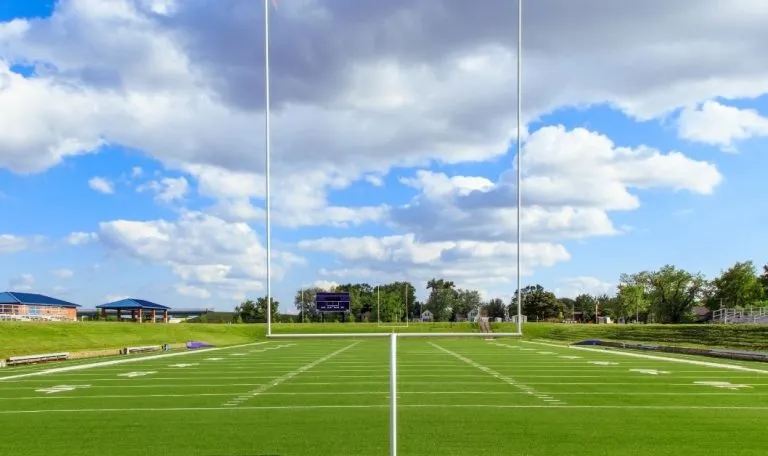
Synthetic turf sports fields are becoming increasingly common across the country. The biggest advantage of an artificial turf playing field is that it can be played on year round. The maintenance and upkeep costs are also significantly lower than for a natural grass field.
Before deciding on an artificial turf system, facility managers should lay out their use concept and determine the general requirements for the field. This will let them assess whether the project is worth the investment. Knowing which sports at which level, and the frequency of play will help managers choose the right product and understand the turf field cost structure. They will need to consider the sport-specific needs of the surface, the preferences of the players (for example, are they more concerned about high-performance or a comfortable-on-the-joints surface?) and what other activities or events the field may host.
A new synthetic sports pitch can be “game-changing” for a club or town. It can turn a run of the mill sports field into a destination, attracting tournaments, sponsors and more and better players. But if, for whatever reason, those are not on the horizon for your facility and only a small number of teams will ever use the field, the artificial turf field may not fulfill its potential and may not be worth the investment. The club should take an in-depth look at the sales, marketing and user impacts that a new artificial surface will have before committing to construction.
On top of the financial concerns, legal and logistical issues will influence the decision to go forward with the project: Will a building permit be required? Do building noise protection requirements have to be observed? What will be the annual and accumulated costs of maintaining the artificial turf pitch over the next 10- 15 years? Are there any sport- or association-specific requirements or guidelines that should be taken into account, e.g. whether the planned field has the proper dimensions and safety consideration for intended user base.
Going Forward With a Conversion to Artificial Turf
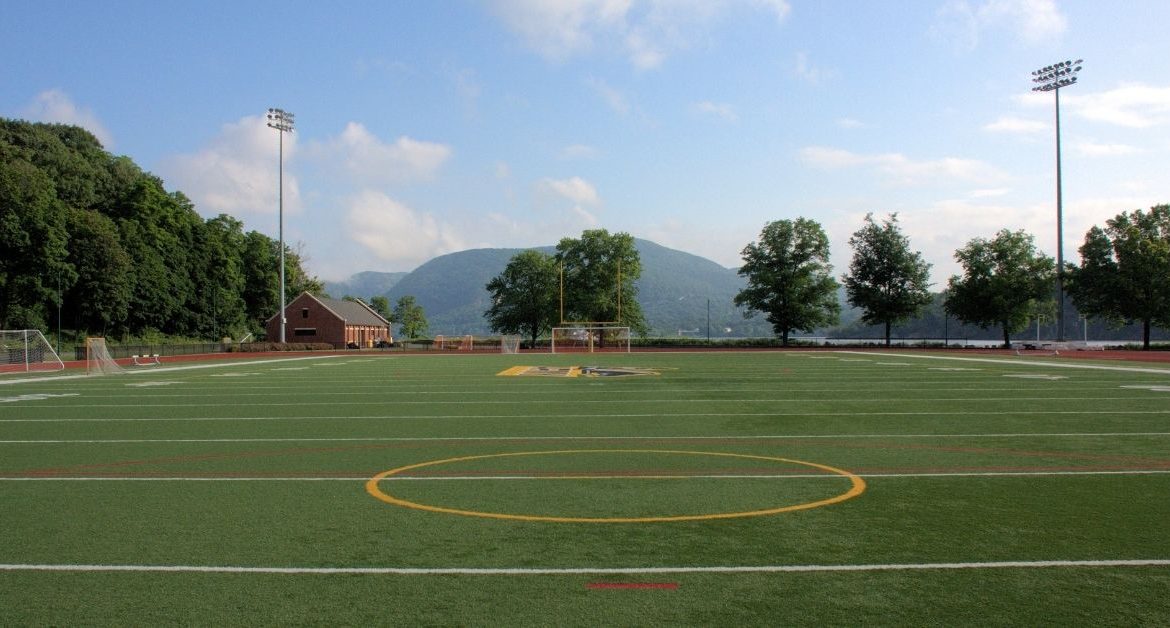
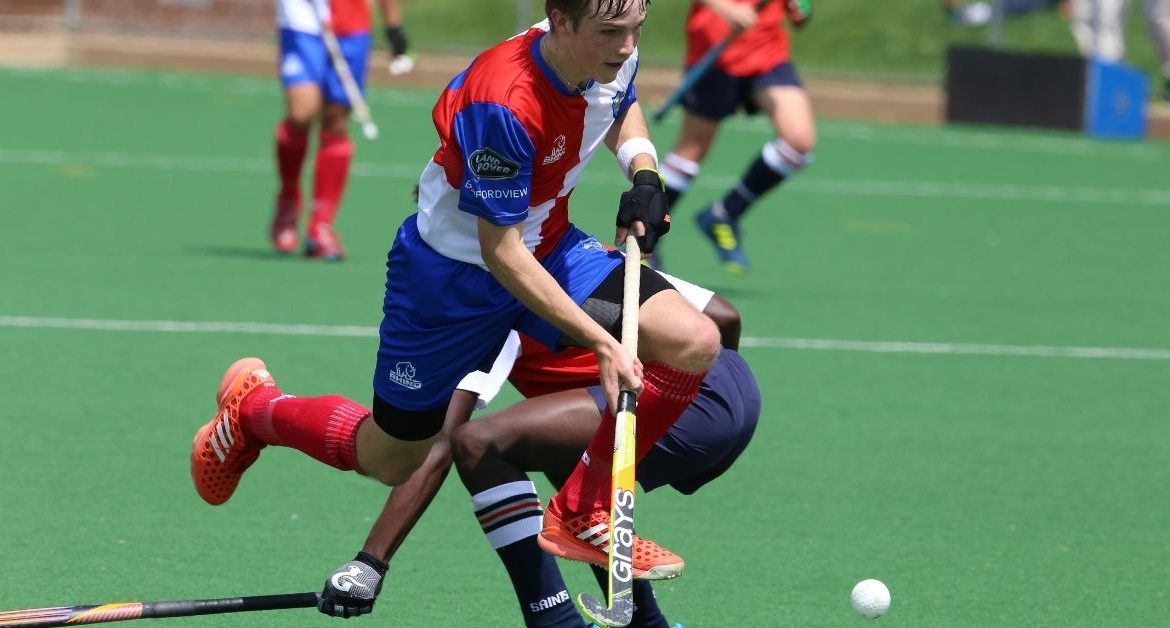
Once the decision to swap your old pitch with synthetic grass is settled, the first major decision is aligning the use concept and the sports. A synthetic turf pitch for field hockey must meet different requirements than a pitch for soccer or for multifunctional use.
Each sport’s requirements should be hashed out with an sports facility manufacturer or a sports field builder early in the planning phase. Particularly if you want to be able to use the field for multiple sports, there may be a limited set of construction materials and unique area constraints that will satisfy all those use cases with a single field.
Additionally, facility managers should take stock of which components of the existing sports field can be integrated into the new construction. Preserving parts of the base layer, for example, can be quite economical. Likewise, in some cases, the drainage or other infrastructure related to the construction and maintenance of the field can carry over to the artificial turf. But to make this happen, you’ll need guidance from someone with a high level of expertise in sports field soils and base layers to determine how much can be preserved.
What Is the Cost of Artificial Turf Infill?
Infill granules are an important component of the new construction or renovation of a synthetic grass pitch. Anyone planning such a project should understand that infill material is an important cost item when installing artificial turf for a sports field. There are several artificial turf infill material options on the market to choose from which is why calculating the cost is not so straight forward. To give you an idea only the cost of infill for a small soccer pitch would sum up to around $12.000.
How Much Are Turf Field Maintenance Costs?
The costs surrounding the care and maintenance of synthetic turf surfaces are divided into regular and advanced measures. Clubs should clarify the care and maintenance costs of an artificial turf pitch at an early stage. Compared to natural turf, a synthetic surface requires less maintenance and is therefore cheaper to maintain. Nevertheless, the club must maintain the synthetic pitch and have it checked regularly, either by its in-house staff or an outside company.
Cleaning the synthetic sports pitch is of particular importance, and should be performed on a weekly basis. It is important to remove leaves, foliage and debris so the contamination does not permanently impair the playing characteristics of the pitch. The groundskeeper needs appropriate training from the artificial turf manufacturer to ensure that the grass is optimally maintained and can last for 8 – 10 years.
At a minimum, the following measures must be carried out regularly:
- Cleaning the pitch
- Brushing the pitch
- Deep, intensive cleaning
- Repair of heavily-used playing zones
- Watering the field
The cost of synthetic grass pitch maintenance is approximately $4,000-$6,0000 per year for a small playing field. For large playing fields, it’s worthwhile to get quotes from companies that offer professional maintenance using industry-specific equipment and trained personnel.
Artificial Turf Maintenance Equipment: Optimally Maintaining the Field
The costs for sports turf maintenance equipment should factor into the plans and budgets at an early stage. Different machines can perform different functions in the maintenance of a pitch. Clubs can maximize their cost strategy by purchasing a few versatile machines instead of a fleet with many overly specific machines. Clubs should also account for the distinction between equipment for regular maintenance and those for advanced maintenance. Machines for regular maintenance should be owned by the club and can be operated by the groundsman or a trained club member, while it’s not cost-effective for clubs to own those from the latter category.
Some equipment clubs should consider buying for their regular in-house maintenance include:
- Towed equipment for attachment to a tractor or quad bike.
- Ride-on, push and trailer vehicles that can cover assorted regular maintenance requirements
- Multipurpose machines and complete solutions
How Much Does Maintenance Equipment Cost?
The cost of the appropriate maintenance tools starts around $12,000 for a wheeled trailer. Prices go up from there to all-in-one solutions that are more likely to be used by professional contractors and specialized sports field builders. Finding the right machine for the club depends on the maintenance responsibilities the facility owners assume for themselves. If the municipality maintains the city’s sports fields, a few machines are sufficient for the club. However, if the club, school or university is entrusted with the maintenance, the purchase of one or more specialized pieces of equipment may be worthwhile.
In addition, the size of the pitch and the infill of the pitch play an important role. Turf fields with artificial granules require more intensive maintenance and different maintenance equipment than fields that are filled with quartz sand.
The costs surrounding a fleet of equipment for clubs and municipalities should be calculated at the beginning of the planning phase and factored into the overall costing.
Get a Cost Estimate for Your Sports Turf Field Project
If you have read this far you should have a pretty good understanding of the factors influencing the cost of building an artificial turf sports field and a ball-park price range. Installing artificial turf fields requires years of experience and it is not something that you want to do by yourself. We work with some of the leading synthetic turf field builders in the US and would be happy to connect you with them so that you can ask for more detailed information regarding the project.
Before you get in touch with them, we would recommend using our artificial turf field cost calculator to get a cost estimate customized to your project.
Meet the SVC Experts
Written by: Ryan Caravalho, Contributing Author
Ryan Caravalho has been writing for Sports Venue Calculator since 2022, specializing in clear, research-driven content for sports facility planners. With a background in tech, F&B, non-profits, and NGOs, he brings a broad, practical perspective to early-stage sports construction projects.
Read more from Ryan.
Edited by: Antti Rydman, Managing Editor
Antti Rydman is a Co-Founder and the Managing Editor of Sports Venue Calculator. A member of the founding team, Antti has led editorial operations since 2021, shaping the platform’s content strategy and overseeing its growth as a trusted resource for sports facility planning and construction.
Read more about Antti.
Verified by: Karianne Jaeger, Construction Project Manager
Karianne Jaeger is a Project Manager with 16 years in commercial construction, specializing in sports facilities. At Beaver Construction Consulting Inc., she partners with architects, engineers, and city planners to ensure smooth permitting, compliance, and project delivery.
Read more about Karianne.
FAQ: Artificial Turf Field
Installation Cost
The cost to build an artificial turf field typically ranges from $700,000 to $1.5 million, depending on factors such as location, site conditions, base construction, and system specifications. In 2026, based on the data in our internal database, the cost of an artificial turf field varies somewhere between $677,000 and $1,590,000 in the U.S.
Replacing or resurfacing an artificial turf field typically costs between $400,000 and $900,000, depending on whether only the turf is replaced or if base repairs are also required.
Annual maintenance costs typically range from $10,000 to $25,000, depending on usage levels, maintenance practices, and whether services are handled in-house or outsourced.
Key cost drivers include site preparation, drainage, base construction, turf system quality, labor costs, and local regulations. Location also plays a major role in total project cost.
While turf has higher upfront costs, it can be more cost-effective over time due to lower maintenance, reduced water usage, and higher durability. A synthetic turf field can be used more hours per day and more days per week because it doesn’t need a a rest after heavy rain or heavy foot traffic.
Most artificial turf field projects take between 8 to 16 weeks to construct, depending on site complexity, weather conditions, and permitting timelines.
A typical artificial turf field lasts between 8 to 12 years, depending on usage, maintenance, and the quality of the turf system installed.