Home » Tennis Court » Tennis Court Resurfacing Explained: Tips, Costs, and Benefits
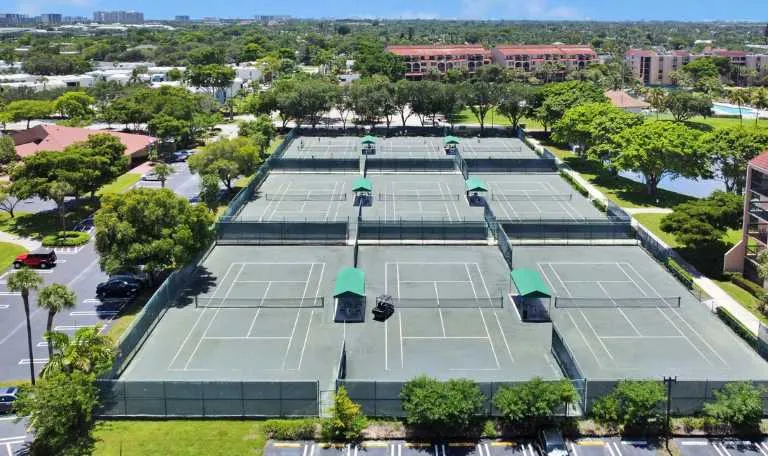
Tennis court resurfacing is a crucial step in maintaining the playability, safety, and aesthetics of a court. Over time, even the most well-built courts wear down due to use, weather exposure, and lack of regular maintenance. Whether you’re managing a tennis facility at a school, municipality, club, or private property, resurfacing can extend the life of your court while ensuring a top-quality playing experience.
This guide provides a comprehensive overview of tennis court resurfacing, discussing the process, costs, regulations, and maintenance tips. It will also link to subpillar pages covering specific topics in more depth, such as surface-specific care, maintenance schedules, and professional services.
Try our tennis court cost calculator to get a tailored cost estimate for your project.
Signs That Your Tennis Court Needs Resurfacing
Resurfacing is vital for maintaining a tennis court’s condition over time. As courts age, issues like cracks, fading, and uneven surfaces can negatively impact both playability and safety. Common signs that resurfacing is needed include visible cracks on the surface, faded paint or worn-down lines, and a loss of traction, which can make the court slippery or uneven.
Additionally, water pooling after rainfall often points to drainage problems. Resurfacing not only restores the court’s aesthetic and functional qualities but also improves player comfort and reduces the risk of injury, offering a more cost-effective solution than full court replacement.
The Tennis Court Resurfacing Process
The resurfacing process varies depending on the type of surface (e.g., hard court, clay, synthetic), but the general steps are as follows:
- Cleaning and Surface Preparation
The court is cleaned thoroughly to remove debris, dirt, and any organic matter. For outdoor courts, pressure washing is often used. In indoor environments, sweeping and vacuuming suffice. - Repairing Cracks and Imperfections
Any cracks or uneven spots in the surface are repaired. This is crucial for maintaining a smooth surface and preventing further damage. Crack fillers or sealants are used to cover imperfections, while leveling compounds may be applied to correct uneven areas. - Acrylic Surfacing Application (for Hard Courts)
A new layer of acrylic material is applied to the court in multiple layers, ensuring a uniform and durable finish. Acrylic coatings are often used for hard courts like asphalt and concrete, as they provide a smooth surface that can withstand heavy play. Cushioned layers can also be added to provide additional comfort and reduce the impact on players’ joints. - Repainting Court Lines
Once the resurfacing material has cured, the court lines are repainted with durable, weather-resistant paint. This ensures the court meets the necessary regulations for gameplay.
How long does it take to resurface a tennis court?
The entire process typically takes between 3-6 days, depending on the condition of the court and the complexity of the repairs.
Surface-Specific Resurfacing Requirements
Different surfaces require unique approaches to resurfacing:
Hard Courts (Asphalt, Acrylic)
- Hard courts need crack filling and leveling before resurfacing.
- Acrylic coatings are applied to refresh the surface and improve durability.
Clay Courts
- Clay courts require more frequent resurfacing due to the need to replenish the top layer.
- Watering and rolling are essential for maintaining a smooth and compact surface.
Synthetic Grass Courts
- These courts last longer but may need to have worn sections replaced.
- Regular maintenance includes brushing and redistributing the infill to maintain a consistent playing surface.
How Often Should You Resurface a Tennis Court?
The frequency of resurfacing depends largely on the surface type, climate, and usage. General guidelines include:
- Hard courts: Resurface every 4-8 years.
- Clay courts: Require more frequent resurfacing, typically every 2-3 years, depending on how often the top layer is replenished.
- Synthetic grass courts: Can last 12-20 years with proper maintenance, though minor repairs may be needed more frequently.
Factors like extreme weather (freeze-thaw cycles, heavy rain, or excessive heat) can shorten the resurfacing cycle. Courts that see heavy use, such as those in public parks or at schools, may require resurfacing more frequently than private courts with lighter use.
State and Local Permits and Regulations for Resurfacing
Before resurfacing begins, it’s essential to check local and state regulations. Permits are often required for large-scale resurfacing projects, particularly if they involve significant repairs, modifications, or environmental impacts.
Common Permit and Regulatory Considerations:
- Zoning laws: Check whether your area has specific zoning restrictions related to sports courts, especially outdoor installations.
- Environmental regulations: Some municipalities require special consideration for water runoff, especially in areas near water sources or protected lands. Drainage systems may need to be inspected or upgraded during resurfacing.
- Noise and light regulations: If you’re resurfacing an outdoor court that includes lighting or fencing, ensure you comply with local ordinances regarding noise levels or light pollution.
State and Local Level Guides for Tennis Court Resurfacing
We’ve covered everything you need to know about tennis court resurfacing at the state and local levels. If you’re planning to resurface your court, be sure to check out our comprehensive local guides to help you get started. It’s time to get your court back in top shape!
Costs of Tennis Court Resurfacing
The cost of resurfacing a tennis court varies due to several influencing factors. The surface material plays a significant role, with options like acrylic, asphalt, or cushioned layers impacting the overall expense. The size of the court also matters, as larger courts require more materials and labor.
Additionally, the extent of repairs needed prior to resurfacing, such as crack filling or drainage fixes, will further affect the cost. Other considerations include premium finishes or optional features like cushioned layers, which can add to the expense.
For a more detailed breakdown of resurfacing costs, use our Tennis Court Cost Calculator.
Full Tennis Court Surface Replacement
While resurfacing is a cost-effective solution for most courts, some courts may require a full surface replacement due to severe damage, poor drainage, or structural issues. In this case, the existing surface is removed and replaced with new materials.
The Full Replacement Process:
- Excavating the existing surface: The old surface (asphalt, concrete, or clay) is completely removed.
- Rebuilding the foundation: The foundation is regraded and compacted to ensure proper drainage and a level playing surface.
- Applying a new surface: A new surface, such as acrylic, clay, or synthetic grass, is installed. This is often more expensive than resurfacing alone, but it provides a completely new playing experience.
The cost of full surface replacement ranges from $20,000 to $85,000, depending on the surface type and court size.
For a more precise estimate tailored to your specific project, be sure to use our tennis court cost calculator. It will provide you with a detailed breakdown based on your unique requirements.
Tennis Court Conversion to Pickleball During Resurfacing
A growing trend in court resurfacing is converting underutilized tennis courts into pickleball courts. Pickleball, a sport rising in popularity, requires less space than tennis, allowing multiple pickleball courts to fit within the footprint of a standard tennis court.
Benefits of Converting to Pickleball:
- Multi-use courts: Resurfacing can include line painting for both tennis and pickleball, increasing the versatility of the court.
- Cost-effective: Adding pickleball lines during resurfacing incurs minimal additional cost, making it a smart investment for facilities looking to offer more activities.
Pickleball court dimensions are smaller, so converting a tennis court to accommodate both sports can maximize the court’s usage and appeal to a broader audience.
Extending the Life of Your Tennis Court
Proper maintenance is key to extending the time between resurfacing projects. Regular care involves sweeping away debris to prevent surface wear, addressing minor cracks early to avoid more significant damage, and ensuring that drainage systems are clear and functioning correctly to prevent water pooling. Scheduling annual inspections can also help detect potential issues before they require costly repairs or resurfacing, allowing you to address them proactively and keep the court in top condition.
Tools and Supplies Needed for Tennis Court Maintenance
Maintaining a tennis court requires specific equipment and supplies, including:
- Sweepers and blowers for clearing debris from hard and synthetic surfaces.
- Rollers for maintaining clay courts and keeping the surface compact.
- Pressure washers for deep cleaning hard courts.
- Crack fillers and sealants for repairing minor damage between resurfacing projects.
When to Hire Professional Resurfacing Services
While minor repairs can often be managed in-house, larger resurfacing projects are best handled by professionals. Certified contractors, particularly those recognized by the American Sports Builders Association (ASBA), possess the expertise and specialized equipment necessary to deliver high-quality results.
Engaging professionals ensures proper crack repair and surface leveling, precise application of resurfacing materials, and long-term durability and performance of the court. This approach guarantees that the resurfacing process is done correctly, prolonging the court’s lifespan and ensuring optimal playability.
Check out our sports builders’ business directory to find your tennis court resurfacing company. You can also read our top tennis court companies in the United States article to compare potential partners.
Conclusion
Resurfacing is a critical part of maintaining a tennis court’s longevity and playability. By following the right resurfacing process, adhering to local regulations, and performing routine maintenance, you can keep your court in optimal condition for years to come. When signs of wear appear, it’s crucial to act promptly and, if needed, consult professional services to handle the job efficiently.
For more detailed guides on specific surface maintenance, cost breakdowns, and professional services, check out our additional resources linked throughout