Home » Tennis Court » Tennis Court Coatings Explained: Materials, Process & Costs
If you’re planning a tennis court construction or resurfacing project, you’ll inevitably come across the term “court coating.” While it might sound like a finishing touch, tennis court coatings are far more than just a cosmetic layer. They serve as a protective, performance-enhancing system applied to the surface of your asphalt or concrete base. Coatings are usually made from acrylic materials and are applied in multiple layers to seal the surface, create texture, and provide the vibrant colors courts are known for.
Unlike full surfacing systems that might include shock-absorbing layers or structural cushioning, the coating focuses specifically on the top finish. This final stage of the court build ensures your surface isn’t just playable, but also safe, durable, and visually appealing.
If you are in a hurry and want to save time in planning your tennis court project, get a tailored cost estimate using our tennis court cost calculator today.
Tennis Court Coating Costs
For most projects, coating costs are bundled into the surfacing system quote provided by your court installer or supplier. It’s not usually sold as a separate service, but it’s helpful to understand how it fits into the overall pricing structure.
If your project involves surfacing only (on an existing court base), coating typically represents about 15 to 25 percent of the total cost. This includes materials, labor, and line painting. Coating accounts for roughly 5 to 10 percent of the overall cost for full construction projects that include site work and base preparation.
Factors influencing coating cost include the number of layers applied, whether a cushioned system is used, and if any custom elements (like non-standard colors or logos) are added.
Why Tennis Court Coating Matters
Tennis court coatings play a vital role in how the court performs and how long it lasts. For project planners and facility owners, the coating system affects multiple aspects of your court investment. A well-applied coating provides crucial grip underfoot, regulates surface speed, and improves ball bounce consistency. For outdoor projects, the right coating can significantly reduce surface temperatures, improving the comfort and safety of players in hot climates.
From a visual standpoint, coatings provide the professional, clean look expected at modern sports facilities. Beyond aesthetics, they also add UV and weather resistance, shielding the underlying surface from cracking and fading. For court installers, the coating system needs to integrate seamlessly with the base and any cushioning layers, and must be applied under specific conditions to ensure performance. In short, the coating is what brings the court to life.
Types of Tennis Court Coatings
Acrylic-based coatings are the most widely used option for tennis courts. They offer excellent durability, customizable features, and a relatively low-maintenance surface. Here are the main types and variations:
Standard Acrylic Coating Systems:
Commonly used for recreational and public courts. They provide a reliable playing surface with consistent grip and speed.
Cushioned Coating Systems:
Include layers of rubberized material beneath the acrylic coats. These are ideal for high-performance environments or facilities prioritizing player comfort and injury prevention.
Surface Finishes:
- Smooth finishes are used where speed is prioritized.
- Textured finishes include silica sand or texture agents for added grip and control over ball bounce.
Color Systems:
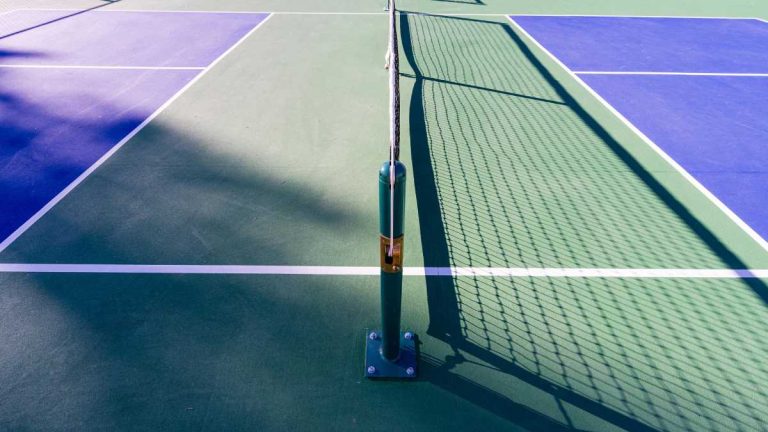
- Classic combinations like green/red and blue/green remain popular.
- Custom color options are available for branding, school spirit, or aesthetic preferences.
These variations allow planners and installers to match the court’s look and performance to the facility’s goals and climate needs.
Choosing the Right Coating
When it comes to selecting a coating system, the choice is typically made in consultation with your supplier or installer. Experienced contractors will recommend a system based on the tennis court surface type, usage expectations, and manufacturer compatibility. Project planners don’t need to be experts on every material layer, but it helps to understand the logic behind the recommendation.
One of the most important factors is climate. The installer may choose a more UV-resistant formulation in sunny, high-UV regions to prevent fading and premature wear. In northern climates with freeze-thaw cycles, a coating with flexible binders may be preferred to reduce cracking risk. Drainage, humidity, and elevation also influence the selection.
Other project-specific details matter too. Will the court be used year-round? Will it be exposed to heavy foot traffic or used for tournaments? Will it need to match the design of nearby facilities or school branding? All of these considerations will guide your installer toward the optimal coating choice.
Cooler Courts with CoolTop®
One increasingly popular option in warm-weather regions is CoolTop, a heat-reflective acrylic coating developed to reduce surface temperatures on outdoor courts. By using infrared-reflective pigments, CoolTop can significantly lower court temperatures compared to standard coatings—improving player comfort and extending usable hours, especially for tennis and pickleball. You can read our full article on CoolTop and its real-world performance here.
Working with Tennis Court Coating Suppliers, Manufacturers, and Contractors
Selecting the right coating also means working with the right professionals. Most tennis court coatings come from specialized manufacturers who supply through certified contractors or distributors. These contractors are trained in the correct installation methods and often work exclusively with specific brands or systems.
Project planners typically don’t need to choose a manufacturer directly. Instead, they should focus on selecting a reliable contractor who can recommend a proven product line based on experience and regional performance. A good contractor will ensure that the materials used are compatible with the base, match your climate conditions, and meet your durability and appearance goals.
Tennis court coatings are not one-size-fits-all. Differences in texture, elasticity, UV resistance, and color retention vary from product to product. Your contractor or supplier can help identify which product line offers the best long-term performance for your specific use case—whether for a private residential court or a public recreation facility.
What Goes Into a Tennis Court Coating System?
Though the final surface looks simple and uniform, the coating system involves multiple carefully-applied layers. First, there may be a primer or base filler applied to seal any imperfections in the asphalt or concrete base. This ensures that the colored top layers adhere properly and wear evenly over time.
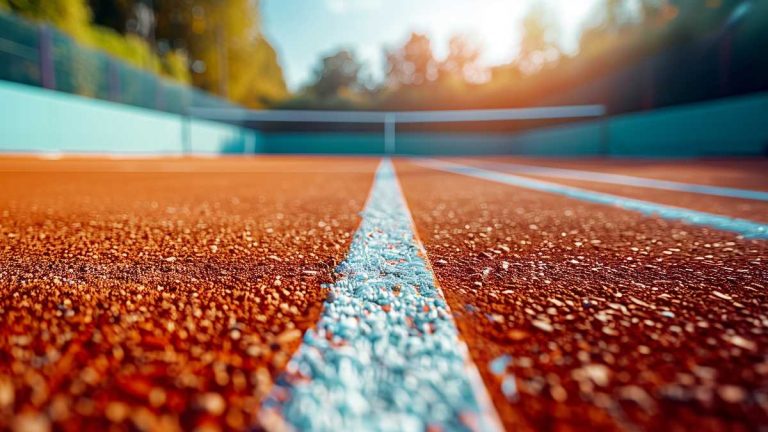
Next come the color coats. These are applied using large squeegees or sprayers and often require two or three layers to achieve uniform coverage, texture, and resilience. The materials are water-based acrylic emulsions blended with silica sand to provide grip and control ball speed.
Finally, the line paint is applied once the main coats are fully cured. This is the detail work that defines the playing areas, service boxes, and baselines. In some cases, facilities may also opt to include custom logos or decorative elements during this stage.

The Application Process (What to Expect)
Although the contractor handles the application process entirely, it’s important for planners and owners to understand the timeline and requirements. Here’s what to expect:
- Surface preparation: The contractor begins by thoroughly cleaning the court surface. Any cracks or depressions are repaired to create a smooth, level foundation.
- Primer or filler application: If needed, a primer or filler coat is applied to enhance adhesion and correct minor surface imperfections.
- Application of color coats: The colored acrylic layers are applied, usually in two or three coats. This is done using professional-grade squeegees or sprayers and must be timed according to the weather.
- Weather conditions: Coatings are only applied when temperatures are above 50°F (10°C), humidity is moderate, and rain is not expected for at least 24 hours. These requirements often affect project scheduling.
- Line painting and curing: After the color coats have dried, the contractor paints the regulation game lines. Curing typically takes two to four days, depending on environmental conditions.
- Final inspection and readiness: Once fully cured, the court is inspected and ready for use. Project planners should allow for this window when scheduling facility openings or promotional events.
Maintenance and Recoating
Even the best coating system will wear down over time. The typical lifespan of an acrylic coating is between four and eight years, depending on climate, usage, and maintenance. Courts that are regularly cleaned and kept free of debris tend to last longer between recoats.
You’ll know it’s time to recoat when the surface starts to look faded or patchy, the grip feels reduced, or small cracks begin to appear. Fortunately, recoating is far less intensive than resurfacing. As long as the underlying base is still structurally sound, a new set of color coats and line paint can be applied without tearing out the existing surface.
Annual inspections, pressure washing, and prompt crack repair are the best ways to protect your coating investment and maintain a professional appearance.
Read more about tennis court maintenance and tennis court repair considerations in our separate guide.
Plan Your Tennis Court Project Today
Understanding the coating process is key to planning a successful, long-lasting tennis court. From surface safety and color choices to climate-specific material selection, the right coating system ties your project together both visually and functionally.
Use our Tennis Court Cost Calculator to get started with a budget estimate and explore your surfacing system options. For resurfacing or recoating needs, connect with experienced court builders in your area by visiting our Business Directory. Whether you’re building a private court or a community facility, choosing the right coating is key to long-term performance, durability, and satisfaction.