Home » Artificial Turf Field » Artificial Turf Field Design and Customization Considerations
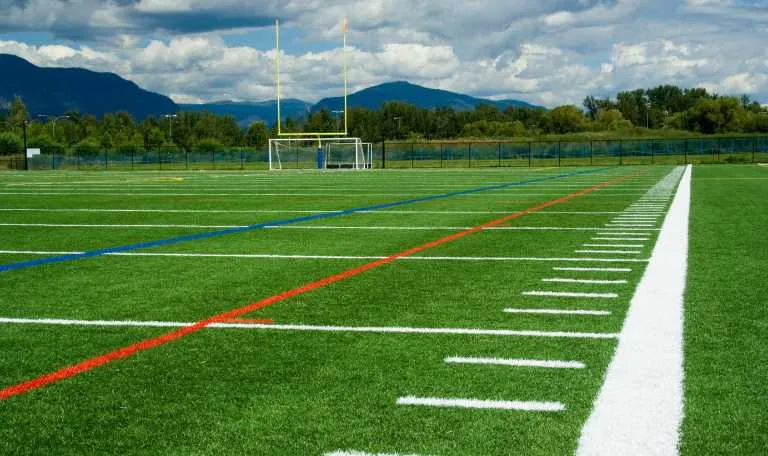
Artificial turf has become an increasingly popular choice for sports fields in schools, public organizations, sports clubs, and municipalities. Its durability, low maintenance, and ability to handle high traffic make it a great alternative to natural grass. However, creating a successful field requires thoughtful planning to meet the unique needs of its users, while ensuring safety, performance, and longevity. This guide covers all the important considerations to help you design and customize an artificial turf field that will perform well for years to come.
Try our Artificial Turf Field Cost Calculator to get a tailored cost estimate in just minutes.
Designing the Turf Field for Your Use Case
The first step in planning a new turf field is understanding how it will be used. Different sports and activities require specific design features, so aligning the design with the primary purpose of the field is essential.
For instance, a soccer field will need different turf and layout considerations than a baseball or football field. It’s also important to think about who will use the field—whether it’s youth leagues, recreational players, or professional athletes. Higher levels of play often require more advanced turf systems that can handle heavy use while providing consistent performance.
For fields intended for multiple sports, the design will need to be versatile. In these cases, incorporating flexible features like overlapping line markings or removable components can ensure the field functions well for different types of activities.
Field Dimensions and Layout
Getting the field dimensions right is crucial to its functionality and safety. The size of the field must meet the specific requirements of the sports or activities it will host. Below are standard dimensions for popular sports:
- Football: 360 feet by 160 feet.
- Soccer: Varies between 295 to 390 feet long and 148 to 262 feet wide.
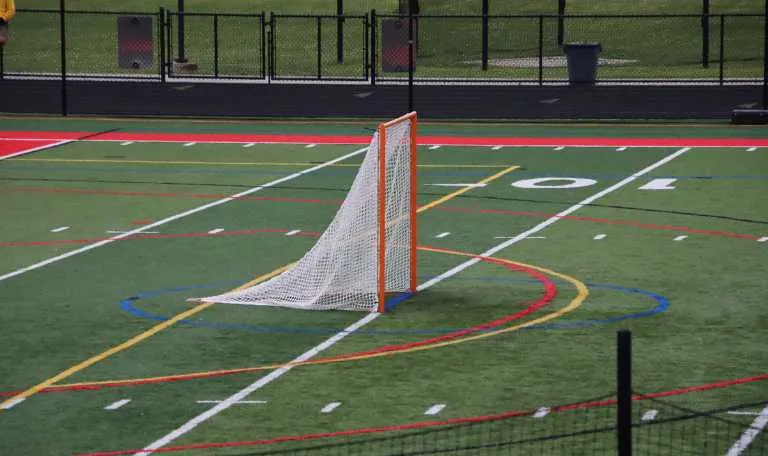
- Lacrosse: 360 feet by 210 feet.
- Baseball/Softball: Non-rectangular, with bases spaced 90 feet apart for baseball and 60 feet for softball.
If the field is intended for multiple sports, consider how to incorporate flexible layouts and ensure compliance with regulatory guidelines from governing bodies like FIFA or NFHS. Proper field dimensions ensure safety and performance standards are met.

Building a Strong Foundation
A well-constructed base is the foundation for any high-quality artificial turf field. Without a proper base, even the best turf system will fail to perform or last as long as it should. The construction process typically involves several steps, starting with site preparation.
Excavating and grading the field ensures that the surface is level and properly sloped for drainage. A solid, compacted sub-base made of gravel or crushed stone is laid down, creating a stable foundation that prevents shifting or settling over time.
One of the most critical components of the base is the drainage system. Proper drainage prevents water from pooling on the surface, which could lead to uneven playing conditions or damage to the turf. Perforated pipes are installed beneath the surface to channel water away, keeping the field safe and playable in all weather conditions.
Choosing the Right Infill
Infill is a key part of your artificial turf field design as it provides stability, cushioning, and performance. The choice of infill can significantly impact how the field feels and plays. Common options include:
- Rubber crumb (SBR): A cost-effective and widely used infill offering good shock absorption. However, it can retain heat, which is an issue in warm climates.
- Silica sand: Provides stability but offers less cushioning than rubber, making it suitable for sports like field hockey.
- Organic infill: Made from materials like cork or coconut husks, organic infills are eco-friendly and help reduce surface temperatures, although they come at a higher cost.
Your choice of infill will depend on the sport, level of physical contact, and climate, affecting player comfort, ball behavior, and field safety.
Considering the Environment
Artificial turf fields are already a step toward sustainability because they eliminate the need for water, fertilizers, and pesticides. However, there are additional environmental considerations that can make your field more eco-friendly.
For example, water conservation is one of the biggest advantages of turf over natural grass, especially in areas where water is scarce. Some artificial turf systems also use recyclable materials for the turf and infill, reducing the overall environmental impact of the installation.
Another issue to consider is heat retention. Artificial turf can get hot under direct sunlight, contributing to the heat island effect. Opting for organic infill or cooling technologies can help lower surface temperatures, making the field more comfortable for athletes.
Safety Considerations
Player safety should be top of mind during the design process. Turf fields can be customized to enhance safety through a variety of measures, including:
- Shock pads: Adding a shock pad beneath the turf layer provides extra cushioning, reducing the risk of injury from falls or collisions. This is particularly important for high-contact sports like football.
- G-Max testing: Regularly testing the field’s shock absorption capabilities (measured by its G-Max score) ensures it meets safety standards. A lower G-Max score means better shock absorption.
- Infill choice: Selecting the right infill also plays a role in preventing injuries, as some materials provide better cushioning and reduce joint strain.
Routine maintenance, including grooming and infill top-ups, is also necessary to keep the field safe and playable.
Customizing the Field
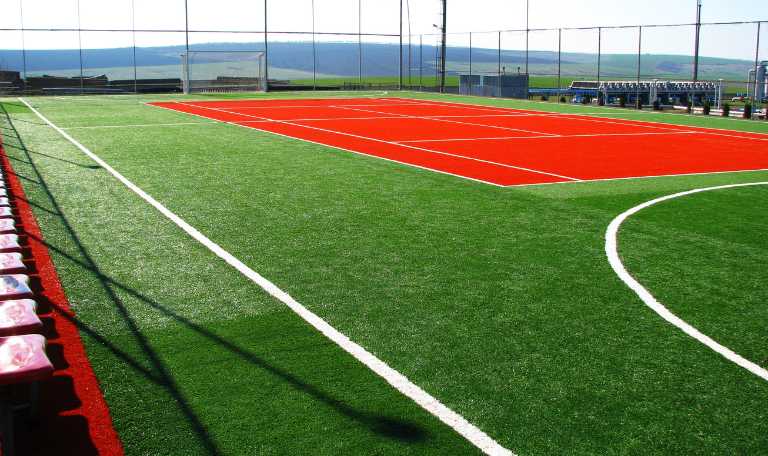
Customization is one of the major advantages of artificial turf field design. You have the opportunity to tailor the field to reflect your organization’s brand, accommodate multiple sports, or even add personal touches like team logos.
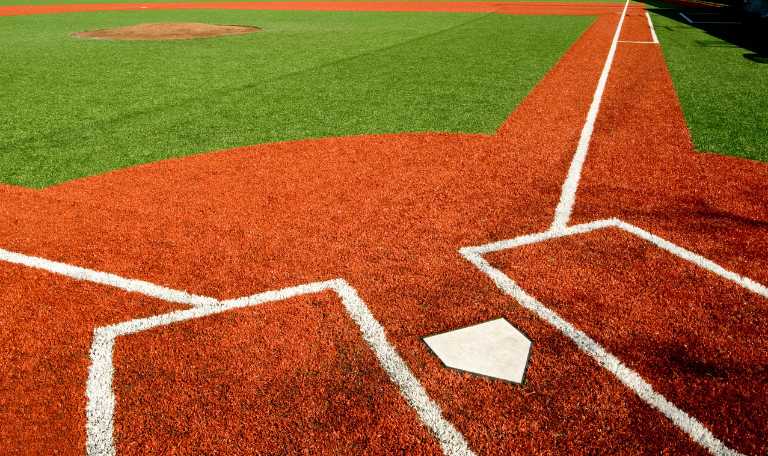
Line markings are essential for sports fields and can be permanent or temporary, depending on how the field will be used. For multi-sport fields, temporary markings allow flexibility for different games.
Additionally, customizing the turf with colors, logos, or branding elements can enhance the field’s visual appeal and foster school spirit or club pride. Whether it’s adding a team logo at midfield or painting the field in your organization’s colors, these touches help make the field unique and aligned with your brand.
Budgeting and Long-Term Costs
Budgeting for an artificial turf field requires a balance between upfront costs and long-term savings. Here are key considerations:
- Installation costs: These vary depending on the size, materials, and complexity of the design. High-end materials like organic infill or shock pads will increase the initial investment.
- Maintenance costs: While turf fields require less upkeep than natural grass, regular maintenance such as infill replenishment and surface cleaning is still necessary.
- Return on investment (ROI): Over time, turf fields offer significant cost savings by reducing water and maintenance expenses. Additionally, the ability to use the field year-round can generate revenue through rentals and increased event scheduling.
Proper planning ensures the field remains a cost-effective, long-term investment.
How Turf Field Builders Can Help
Partnering with experienced turf field builders can make all the difference in ensuring a successful project. Professionals can guide you through every step, from planning and design to installation and maintenance.
Turf builders provide valuable consultation, helping you select the right materials, layout, and features for your specific needs. They’ll also assess your site to ensure proper grading and drainage, preventing issues that could arise from poor preparation.
With their expertise, turf field builders can offer custom solutions that align with your budget and goals. Additionally, they can handle the installation efficiently, ensuring that your field is ready for use on time and to the highest standards.
Many builders also offer post-installation support, such as maintenance plans and warranties, so your field remains in top condition for years to come.
Grants and Funding Opportunities
Financing a new sports field project varies widely depending on the specific needs of each club or municipality. Funding options often include grants, loans, and creative fundraising strategies such as community events, crowdfunding, and sponsorship deals. Popular approaches to fundraising include hosting charity runs, organizing sports tournaments, selling naming rights or sponsorship packages, and using social media or celebrity endorsements to boost visibility and support.
To maximize financing opportunities, it’s essential to begin exploring funding sources early and ensure the project aligns with the requirements for available grants. Collaborating with local schools, businesses, or institutions as potential users of the facility can also unlock additional funding. Sports field builders and planners are valuable resources, often offering expert advice on how to navigate funding applications and create a strategic plan.
Here are some key funding programs for sports facility construction:
- UPARR program
- More information https://www.nps.gov/uparr/
- Land and Water Conservation Fund
- More information https://www.doi.gov/lwcf
- EPA Brown / Greenfield Program
- More information https://www.epa.gov/brownfields
Conclusion
Planning the design and customization of an artificial turf field requires attention to many details, from the purpose of the field to its long-term maintenance. By considering factors like dimensions, materials, safety, and customization, you can create a high-performance field that serves your organization’s needs for years to come. Working with a professional turf field builder ensures that the project is completed smoothly and efficiently, setting your field up for success from day one.