Home » Running track » Running Track Systems: A Comprehensive Guide for Project Owners
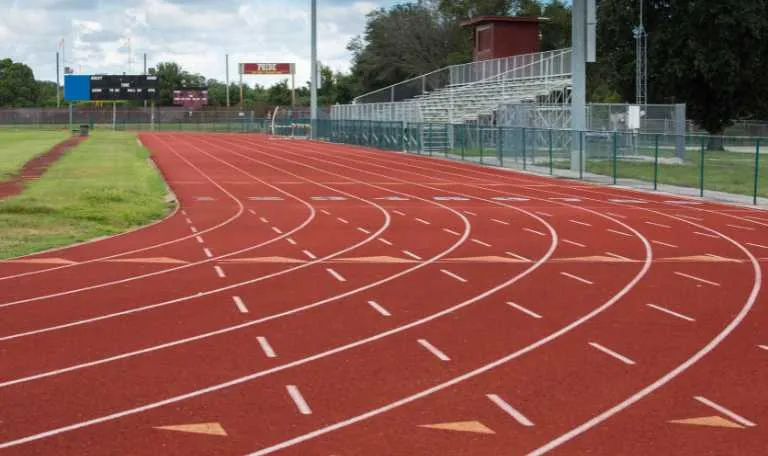
Running tracks are integral to athletic facilities, serving as spaces for training, competition, and recreational activity. Whether you’re planning a new sports complex, renovating an existing facility, or upgrading a community park, understanding the different aspects of running track systems is crucial. This article covers the types of track surfaces, design considerations, and the main components involved in creating a high-quality running track that meets both performance and safety standards.
Get a personalized cost estimate for your track project by using our running track cost calculator, tailored to your specific needs.
Types of Running Track Systems
When selecting a running track system, the primary consideration is the surface type. The surface must suit the intended use of the track, which can range from competitive athletics to recreational jogging.
1.1 Synthetic Surfaces
Synthetic surfaces are the most common for modern tracks, particularly in schools, universities, and professional sports facilities. These surfaces are typically made from polyurethane or a blend of rubber and synthetic materials. There are two main types of synthetic track surfaces:
- Poured-in-Place (Polyurethane): This type of surface is created by applying layers of polyurethane directly onto the track base. It offers excellent shock absorption and durability. Polyurethane tracks are ideal for competitive events because of their uniformity and resilience.
- Prefabricated Synthetic Rubber: These surfaces come in rolls and are installed over the base. They are commonly used in high-end athletic venues due to their even texture and long-lasting performance.
Benefits
Synthetic surfaces are durable, weather-resistant, and require less maintenance compared to natural surfaces. They offer consistent performance and help reduce the risk of injury by providing a cushioned surface that absorbs shock.
Read more about synthetic/rubber running tracks in our separate guide.
1.2 Natural Surfaces (Cinder or Dirt Tracks)
Natural surfaces, such as cinder or dirt, were once the standard for running tracks, but they have become less common in recent years. They are still used in some community facilities or budget-constrained projects.
Benefits
While cheaper to install initially, natural surfaces require high maintenance to keep them in usable condition. They are not ideal for competitive use due to inconsistencies in the surface and their susceptibility to weather conditions like rain and wind.
1.3 Hybrid Systems
Hybrid systems combine natural and synthetic materials to offer flexibility, durability, and sustainability. These systems might include a synthetic top layer over a natural base or other innovative combinations.
Benefits
Hybrid systems can offer cost savings while still providing many of the advantages of a synthetic surface.

Key Components of a Running Track System
A running track is more than just the surface you see on top. Several key components work together to create a stable, long-lasting, and high-performance system. Let’s break down these components:
2.1 Base
The base is the foundational layer of the track system, typically made of compacted stone or gravel. This layer is crucial because it provides the structural stability for the entire system. A well-prepared base ensures that the track remains level and minimizes the risk of subsidence or surface damage.
Role: The base distributes the weight and load of the running surface evenly across the subsoil. It must be compacted thoroughly to ensure stability and longevity.
2.2 Sub-Base
The sub-base lies beneath the track surface and is made from materials such as asphalt or crushed stone. The purpose of this layer is to provide a smooth, stable surface for the installation of the top layer (synthetic or natural surface). The sub-base is also crucial for drainage, as proper drainage ensures that water doesn’t pool on the track, which could lead to long-term damage.
Role: The sub-base acts as a cushion and support for the upper layers while allowing for effective water drainage.
2.3 Surface Layer
The surface is the visible part of the track where athletes run. It could be synthetic (like polyurethane or rubber) or natural (like cinder). The surface layer is designed to provide the necessary traction, shock absorption, and durability for the intended use of the track.
- Synthetic Surface: Offers better shock absorption and durability, making it ideal for competitive tracks.
- Natural Surface: Provides a softer, more natural feel but requires more frequent maintenance.
Role: The surface determines the performance, safety, and comfort level for athletes. High-quality synthetic surfaces can last 10-15 years with proper maintenance.
2.4 Drainage System
A proper drainage system is critical for outdoor tracks. Without efficient drainage, water can pool on the surface, leading to faster wear and potential safety hazards. The drainage system is typically integrated into the sub-base and includes channels or pipes to direct water away from the track.
Role: Drainage prevents water buildup, prolonging the life of the track and maintaining safe, dry conditions.

Indoor vs. Outdoor Running Track Systems
The design and construction of indoor and outdoor running tracks differ based on environmental factors, usage, and available space.
3.1 Indoor Tracks
Indoor running tracks are typically shorter (200 meters) and often feature banked curves to help athletes maintain speed. They are installed in controlled environments, which means they don’t need to account for weather but do need climate control, proper ventilation, and specific design elements to accommodate multiple uses (like gymnasium or fitness areas).
Key Considerations:
- Banked curves to support competitive use.
- Synthetic surfaces for durability and flexibility.
- Ventilation and humidity control to maintain air quality.
3.2 Outdoor Tracks
Outdoor tracks are the standard 400 meters and must be designed to withstand a variety of weather conditions. Outdoor tracks require careful attention to drainage and UV protection for the surface materials. They are also designed to handle larger crowds and multiple event types, from running to field events.
Key Considerations:
- Weather-resistant materials to handle rain, heat, and frost.
- Adequate drainage systems to avoid water damage.
- Multi-use capabilities for track and field events.
Running Track Installation and Maintenance Considerations for Project Planners
When planning a running track, several critical factors must be considered to ensure durability, performance, and minimal long-term maintenance. Proper site preparation, including land clearing, leveling, and effective drainage, is essential to prevent water damage. The base and sub-base layers must be smooth and stable, typically using gravel and asphalt to support the surface.
The choice of surface material—whether polyurethane or rubber—affects both performance and athlete safety, offering necessary shock absorption and traction. Precise marking of lanes and event areas ensures the track meets competition standards.
Equally important is working with an experienced and knowledgeable running track builder. A skilled contractor ensures each step, from installation to final markings, is executed to professional standards, reducing future repair costs and ensuring optimal performance. Ongoing maintenance, including regular cleaning, inspections, and resurfacing every 8 to 15 years, will further extend the track’s lifespan. Thoughtful planning and expert execution are key to creating a high-quality, long-lasting running track.
Read more: How to build a running track for a high school or college?

Cost Considerations for Running Track Systems
The cost of installing a running track can range from $300,000 to $1,200,000, depending on several critical factors. These include the type of surface material chosen, the size and design of the track, and the complexity of the installation, such as the need for advanced drainage systems or sub-base preparation. Synthetic tracks, though initially more expensive, tend to offer better value over time due to their durability and lower maintenance requirements, making them a more economical choice for many institutions.
It’s essential for project owners to carefully consider these factors to ensure the long-term success of their investment.
Get a tailored cost estimate for your installation or resurfacing project by using our running track cost calculator.
Funding Opportunities for Running Track Systems
nvesting in a new polyurethane running track for your school can be a significant commitment, but making the right decisions can turn it into a smart and valuable choice. Fortunately, there are various grants and funding options available to help ease the financial burden of your project.
Grants
Numerous local, state, and federal programs exist to assist with the costs of a new track. Working with a running track expert or project manager can help you navigate these options and identify opportunities for financial support. For more information on funding strategies, check out our detailed article on running track grants and funding.
Crowdfunding
Another popular way to raise funds is through crowdfunding platforms such as GoFundMe. This allows you to reach out to friends, family, and your community to gather donations and support for your track project.
Local Business Sponsorship
Seeking sponsorship from local businesses can be a mutually beneficial option. Businesses receive advertising in your sports facility, and in return, you gain financial backing for your track. This win-win solution is often a great way to engage the local community while securing essential funds.
Parents and Booster Clubs
Don’t overlook the power of your school’s parent and booster clubs. These groups are often highly motivated to fundraise and solicit donations, making them invaluable partners in bringing your project to life.
Get a cost estimate at an early stage
Running track systems are complex structures that require thoughtful planning and careful execution. By understanding the key components—such as the base, sub-base, surface layer, and drainage system—you can make informed decisions about the best track for your facility. Whether for competitive athletics or community recreation, choosing the right track system will provide long-term value and performance.
If you’re planning a track project, consulting with an experienced contractor who specializes in athletic track installations is essential to ensure the track meets all safety and performance standards.