Home » Pickleball court » Pickleball Court Surface Options: Guide for Project Planners
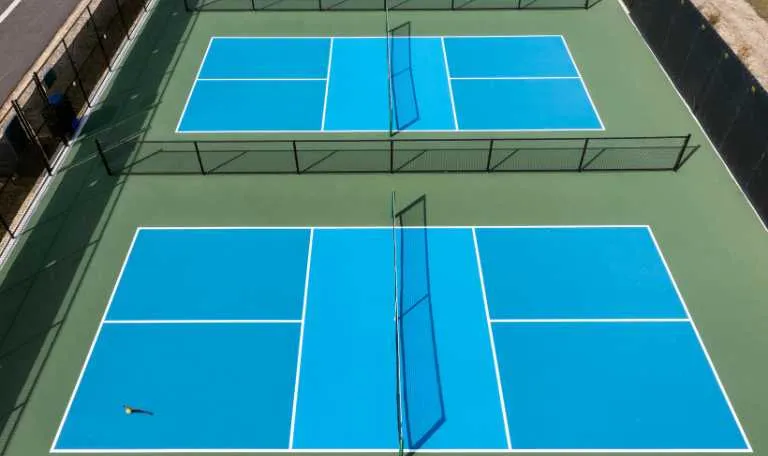
Pickleball is one of the fastest-growing sports in the world, and whether you’re building a new court or resurfacing an existing one, choosing the right pickleball court surface is essential. The surface you select affects gameplay, player comfort, durability, and maintenance requirements. This guide will walk you through the various surface options available, their pros and cons, and key considerations for both indoor and outdoor courts.
You can also try our pickleball court cost calculator, if you are planning to build a court and want to get a quick and accurate cost estimate for your project.
Key Factors to Consider When Choosing a Pickleball Court Surface
Before diving into the specific types of surfaces, it’s essential to understand the key factors that should guide your decision.
1. Playability
The type of surface you choose will significantly impact the ball bounce, game speed, and player movement. A smooth, consistent surface provides better ball control, while some materials might slow the game down or create unpredictable ball bounces.
2. Durability
A court’s durability is essential, especially if you are building an outdoor court exposed to the elements. The surface must withstand weather conditions such as rain, snow, and sunlight without degrading quickly. For high-traffic courts, durability becomes even more crucial to avoid frequent repairs or resurfacing.
3. Maintenance
Maintenance can vary greatly depending on the surface material. Some surfaces require regular upkeep, such as cleaning, recoating, or crack repairs, while others are relatively low-maintenance. Understanding the long-term care needed for each surface type will help you plan your maintenance budget.
4. Cost
While initial installation costs are essential, don’t forget to consider the long-term costs of maintaining the court. A cheaper surface might save you money upfront but could require frequent repairs or resurfacing, which adds to the total cost over time.
5. Safety
Safety is always a priority. Some surfaces provide better traction, reducing the risk of slipping or falling. Others, particularly harder surfaces, might increase the strain on players’ joints, especially for older players or those playing regularly.
Comparison of Pickleball Court Surface Options
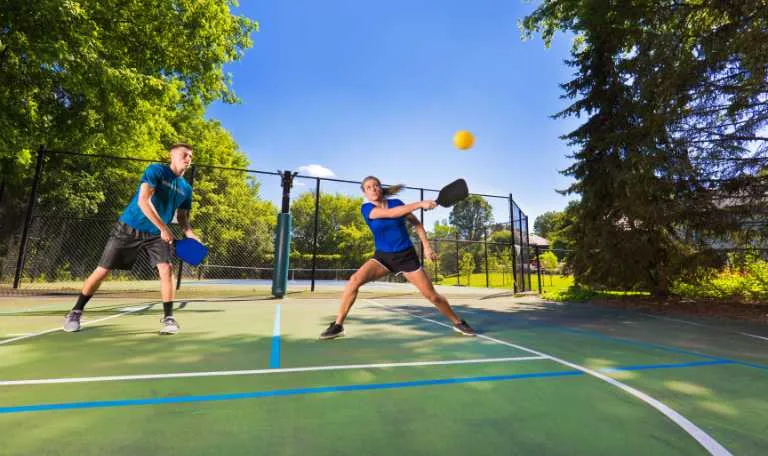
Now that we’ve outlined the primary factors to consider, let’s dive into the most common pickleball court surface materials. Each has its strengths and weaknesses, and the best choice for your court depends on factors like your budget, climate, and the level of play.
1. Asphalt
Asphalt is one of the most common surfaces for outdoor pickleball courts. It’s widely used for tennis and basketball courts as well.
Pros:
- Durable: Asphalt holds up well under regular use and can last for many years if maintained properly.
- Affordable: Asphalt is relatively inexpensive to install compared to other surfaces.
Cons:
- Prone to Cracking: Asphalt tends to develop cracks over time, especially in areas with temperature fluctuations.
- Maintenance Required: Regular resurfacing and crack repair are necessary to keep the court in good condition.
Best For:
- Outdoor recreational courts that experience heavy use, especially in regions where cost is a significant factor.
2. Concrete
Concrete is another common choice for pickleball courts, especially when durability is a top priority. While similar to asphalt, concrete offers greater strength and longevity.
Pros:
- Long-Lasting: Concrete courts are extremely durable and require less frequent resurfacing compared to asphalt.
- Customizable: You can apply various coatings or finishes to concrete, such as acrylic layers, to enhance playability.
Cons:
- Hard on Joints: Concrete’s firmness can lead to joint strain over time, especially for older or frequent players.
- Higher Initial Cost: The installation of concrete is generally more expensive than asphalt.
Best For
- Permanent, outdoor courts in high-traffic areas where longevity and low maintenance are priorities.
3. Acrylic Surface Coatings
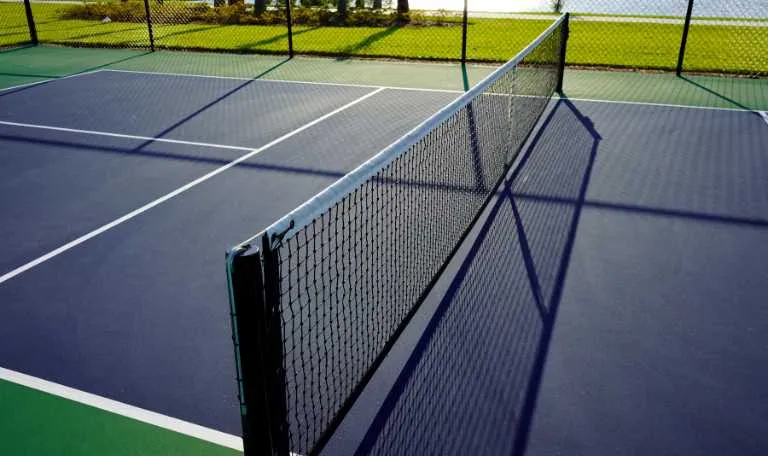
Acrylic surfaces are often applied as a top layer to asphalt or concrete courts. These surfaces are known for their smooth, uniform texture and vibrant colors, making them popular for professional-level courts.
Pros:
- Smooth Play Surface: Acrylic coatings provide a consistent ball bounce and are ideal for players seeking precision in their game.
- Customizable: You can choose from various colors and add cushioning for player comfort.
Cons:
- Maintenance: Acrylic courts need periodic resurfacing to maintain their quality. Cleaning is also necessary to prevent debris buildup.
- Vulnerable to Weather: Acrylic surfaces can wear down faster when exposed to harsh outdoor conditions like heavy rain or UV rays.
Best For
- Both indoor and outdoor courts where playability and aesthetics are important.
4. Artificial Grass
While less common for pickleball, artificial grass offers a softer playing surface and is often used on multi-purpose courts.
Pros:
- Joint-Friendly: Artificial grass is much softer than asphalt or concrete, making it easier on the joints and ideal for older players.
- Multi-Purpose Use: Perfect for courts used for multiple sports, such as tennis or football.
Cons:
- Ball Bounce: Artificial grass produces a slower ball bounce, which can alter the game’s pace.
- High Maintenance: Requires regular brushing and infill replacement to maintain its quality.
Best For
- Recreational settings where comfort and multi-use functionality are prioritized.
5. Modular Tiles
Modular tiles are interlocking plastic or rubber tiles that can be installed over various surfaces, including asphalt and concrete. They offer flexibility and are easy to replace if damaged.
Pros:
- Easy Installation: Modular tiles can be installed quickly without the need for significant preparation.
- Weather-Resistant: These tiles are designed to withstand all types of weather, making them ideal for outdoor courts.
- Customizable: You can choose tiles with different textures and colors, and even opt for shock-absorbing tiles to reduce joint strain.
Cons:
- Cost: Modular tiles tend to be more expensive upfront than other options like asphalt.
- Bounce Consistency: The ball bounce may be less consistent on modular tiles compared to solid surfaces like acrylic or concrete.
Best For
- Outdoor courts in areas with variable weather or for temporary, easy-to-install solutions.
Indoor vs. Outdoor Pickleball Court Surface Considerations
When choosing a surface, the location of your pickleball court—whether indoor or outdoor—is an important factor. Different surfaces excel in different environments.
1. Outdoor Courts
Outdoor pickleball courts are exposed to the elements, making durability and weather resistance essential considerations. Surfaces like asphalt, concrete, and modular tiles are popular for outdoor use because of their ability to withstand rain, UV exposure, and temperature fluctuations.
- Drainage: Ensure that the court has proper drainage to avoid pooling water, which can degrade the surface and affect playability.
- UV Resistance: For outdoor courts, opt for materials that are resistant to UV rays to prevent fading and wear over time.
2. Indoor Courts
Indoor courts don’t need to worry about weather conditions, so the focus shifts to factors like playability, comfort, and maintenance. Surfaces like acrylic and modular tiles are common for indoor courts because they offer smooth play and require minimal upkeep.
- Cushioning: Since indoor courts aren’t subject to the elements, you can prioritize player comfort by choosing surfaces with added cushioning to reduce joint strain.
- Easy Maintenance: Indoor courts tend to stay cleaner and require less frequent maintenance, but the surface should still be easy to clean and repair.
Cost Considerations for Pickleball Court Surfaces
Initial Installation Costs
The initial cost of a pickleball court varies widely based on the surface material. Asphalt is generally one of the most affordable options, while concrete and modular tiles tend to be more expensive.
- Asphalt: Lower installation cost but requires frequent maintenance.
- Concrete: Higher initial cost but lower long-term maintenance.
- Modular Tiles: High upfront cost, but easy to replace and maintain.
Maintenance Costs
Maintenance costs depend on the type of surface. Asphalt and acrylic surfaces require regular recoating and resurfacing, while modular tiles and concrete courts typically require less frequent upkeep. Artificial grass courts, on the other hand, need regular brushing and infill replacement to maintain their quality.
Final Thoughts on Pickleball Court Surfaces
Selecting the right pickleball court surface depends on your priorities, whether that’s cost, durability, playability, or maintenance. Asphalt is affordable and durable but requires regular resurfacing. Concrete offers long-term durability but comes with a higher initial cost. Acrylic coatings provide excellent playability, while artificial grass is gentler on players’ joints. For an easy-to-install, weather-resistant option, modular tiles are a great choice.
Ultimately, the best surface for your court will depend on factors like whether the court is indoors or outdoors, your budget, and the level of play you expect. By considering these factors, you can make an informed decision that will keep your court in top condition for years to come.