Home » Pickleball court » Pickleball Court Coatings: Systems, Application, and Costs
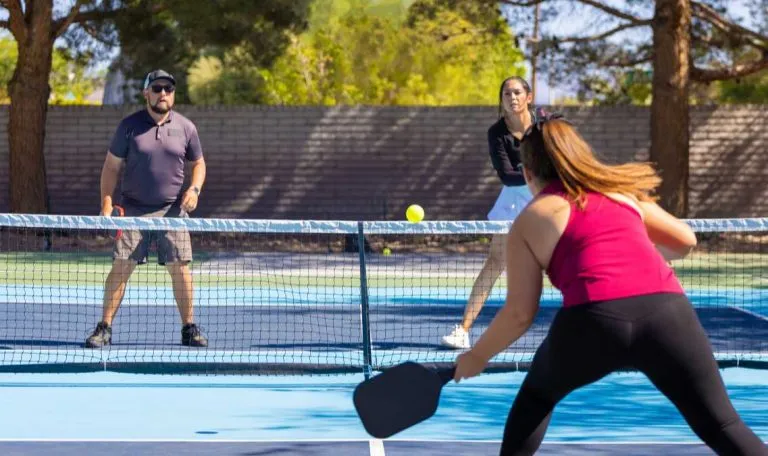
Pickleball may be one of North America’s fastest-growing sports, but building a quality court involves more than just painting lines on pavement. Every reliable pickleball surface has a specialized coating system for performance, safety, and longevity. Whether planning a single backyard or a multi-court community facility, your coating will directly affect how the court plays and lasts.
Unlike basic paint, court coatings are multi-layer systems built on an asphalt or concrete base. These coatings aren’t just for looks—they provide traction, control ball bounce, resist UV and moisture damage, and reduce surface heat in warmer climates. They’re also essential for player safety, helping prevent slips and enhancing play comfort. Experienced installers usually handle the coating process, and it’s one of the most visible, functional aspects of the court construction timeline.
If you are planning a pickleball court installation or resurfacing project, use our pickleball court cost calculator to get a tailored cost estimate today.
Pickleball Court Coating Costs
Pickleball court coating costs are almost always bundled into the overall surfacing system quote provided by contractors. They’re rarely itemized separately, but they still represent a meaningful portion of the total investment. When a project involves resurfacing only—without new base construction—coating typically accounts for 15 to 25 percent of the total cost, including materials, labor, and line marking. In full court construction projects that include base preparation, drainage, and other structural work, coatings make up a smaller share of the budget, usually around 5 to 10 percent.
Several factors can influence the final cost of the coating system. These include the number of color coats applied, the type of system used—such as cushioned or high-performance coatings—as well as custom colors, logos, or branded design elements. Regional differences in labor rates and material availability can also affect pricing.
Understanding how coating fits into the overall cost breakdown helps planners set realistic expectations and align their budget with project goals, whether they’re upgrading an existing court or building a new one from the ground up.
Why Pickleball Court Coating Matters
Traction and safety:
The coating’s texture helps players move confidently without slipping, especially during quick lateral movements common in pickleball.
Ball bounce:
Coatings regulate how the plastic ball interacts with the surface, ensuring predictable and consistent play.
Player comfort:
Certain coatings reduce surface temperature in hot environments, improving player endurance and satisfaction.
UV and moisture protection:
Coatings shield the court surface from weather damage, cracking, and fading, especially in outdoor facilities.
Visual appeal:
The coating gives the court its final color and finish, offering opportunities to enhance branding, visibility, and aesthetics.
Types of Pickleball Court Coatings
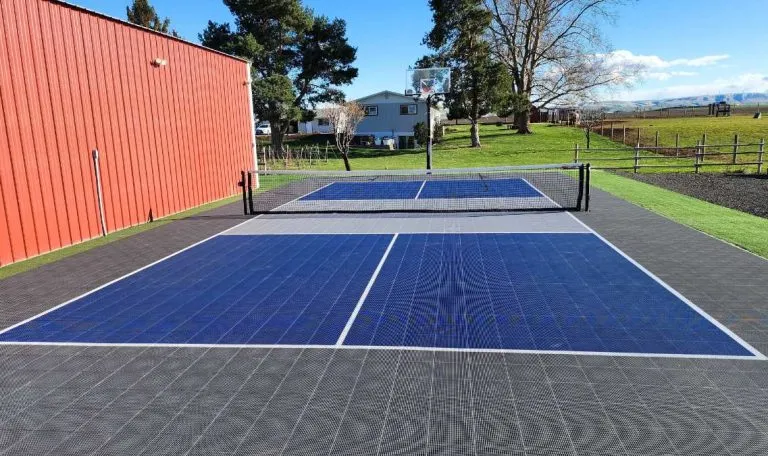
Pickleball courts are commonly finished using acrylic-based coatings designed specifically for outdoor sports surfaces. These coatings are water-based, environmentally friendly, and engineered to withstand daily use, UV exposure, and seasonal weather changes. Most facilities opt for a standard acrylic system, which includes a base layer, multiple color coats, and precise line markings. This system delivers consistent ball bounce, solid traction, and a professional appearance.
While cushioned coatings are less common in pickleball than tennis, they are sometimes used in projects focused on player comfort, especially in senior communities or private courts where joint impact may be a concern. Cushion systems include flexible, rubberized underlayers beneath the acrylic coats, offering extra shock absorption.
Another key variable is surface texture. Some coatings are formulated with a smoother finish to encourage faster play, while others incorporate silica sand or other aggregates to increase grip and improve lateral movement control. Choosing the right texture often comes down to balancing performance and safety.
When it comes to aesthetics, color options are vast. The classic blue-and-green or red-and-green combinations remain popular for visibility and contrast, but custom color schemes are often used to align with school branding, community preferences, or multi-use configurations. Coatings also help clearly define pickleball-specific lines, especially important when courts are shared with tennis or basketball markings.
Choosing the Right Pickleball Court Coating
Installer expertise:
Contractors or surfacing specialists typically recommend the coating system based on the pickleball court surface material, usage expectations, and regional conditions.
Climate conditions:
Coatings with higher UV resistance and heat-reduction features are often used in hot, sunny areas. CoolTop®, for example, uses infrared-reflective pigments to reduce surface temperatures by up to 15–17°C, helping keep courts cooler and more comfortable for players during peak sun hours. Cold-weather regions may benefit from flexible binders that resist cracking from freeze-thaw cycles.
Indoor vs. outdoor use:
Outdoor coatings need to withstand more environmental stress, while indoor coatings can focus more on playability and line visibility.
Play intensity:
High-traffic community courts may need more durable coatings than private residential courts.
Design goals:
Some facilities prioritize color schemes, logos, or court contrast. Your contractor can help balance visual preferences with functional needs.
Working with Pickleball Court Coating Suppliers and Contractors
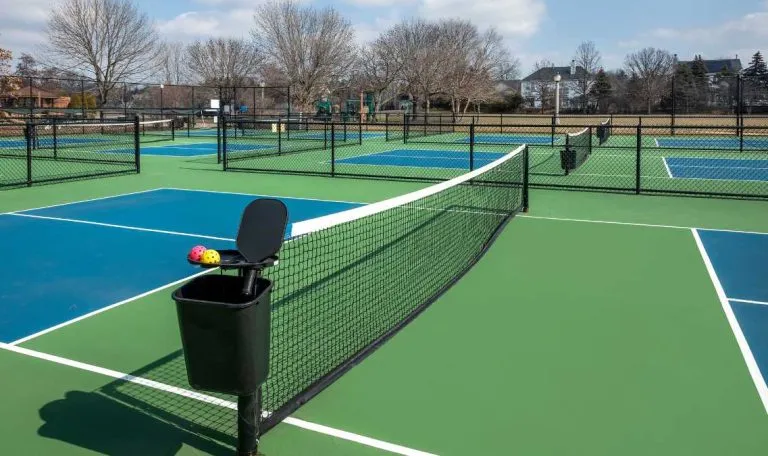
While planners and owners may not select a specific coating product themselves, it’s essential to understand how suppliers, manufacturers, and contractors work together to bring your court to life. Most pickleball court coatings are produced by specialized manufacturers and distributed through certified contractors who are trained to apply them correctly. These contractors typically partner with specific manufacturers whose systems they are approved to install.
The contractor plays a central role in product selection, surface preparation, and application. A qualified contractor will recommend a coating system based on your facility’s use case, local climate, and project goals. Their expertise ensures that the materials are not only compatible with your base but also able to perform long-term under regional conditions like heat, rain, or freeze-thaw cycles.
There’s significant variation between coating products—even among acrylic systems. Some prioritize durability and abrasion resistance, while others focus on surface texture, UV protection, or ease of application. Rather than choosing a product by brand, your best move is to work with an experienced local contractor who can guide you toward a system that matches your needs and budget.
When evaluating contractors, looking for past project experience is helpful, especially with pickleball-specific installations. Ask about previous work on courts in similar environments, and ensure they follow manufacturer-recommended application methods. A strong contractor-supplier relationship is one of the best ways to ensure your coating system performs the way it should—from day one through years of play.
What Goes Into a Pickleball Court Coating System
Surface preparation:
Before coatings are applied, the court is cleaned, repaired, and leveled. This ensures the top layers adhere properly and perform consistently.
Primers and fillers:
If there are surface imperfections, a base layer or patching material may be applied to create a smooth foundation.
Color coats:
Typically, two to three layers of pigmented acrylic are applied using squeegees or sprayers. These layers create the visual appearance and texture of the court.
Line painting:
Once the color coats have cured, precision line painting is done to mark regulation zones and gameplay areas.
Curing time:
Coatings generally take 24 to 72 hours to fully cure, depending on temperature, humidity, and sunlight.
The Application Process
While your contractor entirely manages the court coating application process, having a clear understanding of each step can help you plan around timelines, curing periods, and weather dependencies. The process begins with surface preparation, which includes cleaning the court base of debris, dirt, or oil. Any visible cracks or uneven areas are filled or repaired to create a smooth foundation for coating. This step is critical to ensure that subsequent layers bond properly and wear evenly over time.
A primer or filler coat is applied next if the surface requires additional leveling or sealing. This layer addresses minor imperfections and prepares the surface for the colored acrylic layers to follow. Not all courts need this step, but in high-wear or older surfaces, it often improves overall adhesion and appearance.
Once the base is ready, the contractor begins applying acrylic color coats. Depending on the chosen system and surface conditions, these are usually applied in two or three layers. Each layer contains pigment, binder, and texture agents (such as sand) to deliver the desired traction and playing characteristics. These coats must be applied in dry conditions with temperatures ideally above 50°F (10°C). Humidity, wind, and precipitation forecasts all influence the timing of this stage, so contractors closely monitor the weather throughout the process.
After the color coats have dried, line painting is done using precise stencils or layout guides. Regulation lines are measured and painted according to official pickleball dimensions, and if your facility requires it, this stage may also include custom logos or branding elements.
The final step is curing, which typically takes between 24 and 72 hours depending on the weather. During this period, no one should walk on the surface or use the court. Once curing is complete, the contractor will inspect the finish for consistency and line clarity before handing over the court for use.
Maintenance and Recoating
Over time, even the best coating system will wear down due to sun exposure, foot traffic, and general use. Fortunately, pickleball court coatings are designed to be recoated, provided the base remains intact without needing full resurfacing.
A properly maintained coating system lasts between four and eight years. Signs that it’s time to recoat include noticeable fading, reduced grip, or uneven ball bounce. Recoating involves surface cleaning, minor repairs, and the application of fresh acrylic layers and new line markings. This refresh improves play quality and protects the surface from deeper damage.
Ongoing maintenance is straightforward. Courts should be regularly swept or blown clear of leaves and debris. Water should not be allowed to pool, so drainage must remain functional. Periodic inspections—especially after winter or rainy seasons—help catch minor issues before they escalate.
Plan Your Pickleball Court Project Today
The coating is the finishing touch that defines the look and feel of your pickleball court, but it also protects your investment. From performance and comfort to visibility and longevity, the right coating system turns a good court into a great one.
Use our Pickleball Court Cost Calculator to estimate your budget and explore surface system options. For recoating or resurfacing, visit our Business Directory to connect with experienced contractors. Whether you’re building a court for private use, a school, or a community complex, a high-quality coating ensures players return.