Florida’s enthusiasm for pickleball is a testament to the state’s sporting spirit. The process of constructing and resurfacing pickleball courts in Florida is shaped by the state’s unique needs, climate, and player preferences. Understanding these local aspects is crucial for developing facilities that meet professional standards while fulfilling community needs.
For those in charge of sports facilities, such as athletic directors, facility operators, municipal planners, and leaders of sports organizations, the task of overseeing pickleball court projects in Florida requires a detailed and informed approach.
This comprehensive guide about pickleball court construction in Florida explores the key elements of such projects in the Sunshine State. It addresses the specific regulatory environment, the significant impact of Florida’s climate, and particular cost factors. Beyond technical details like surface choice and selecting contractors, the guide also looks at broader issues. These include securing funding and integrating the projects smoothly into the community’s framework, ensuring that the facilities not only meet sporting requirements but also enhance the local sports culture.
You can also try our pickleball court cost calculator, if you are planning to build a court and want to get a quick and accurate cost estimate for your project.
Selecting the Ideal Pickleball Court Construction Company in Florida
Choosing the right company for pickleball court construction in Florida is key to effectively managing the state’s unique climate:
- Check Experience: Look for companies with proven experience specifically in pickleball court construction and resurfacing in Florida.
- Review Past Projects: Examine their portfolio of completed projects to assess their expertise and the quality of their work, particularly in environments similar to Florida’s climate.
- Industry Certifications: Top-notch companies in Florida often hold certifications and memberships in organizations like the American Sports Builders Association (ASBA), and have a Florida Department of Business and Professional Regulation (DBPR) License.
- Material quality: Durable materials like post-tensioned concrete are essential to withstand the state’s heat and humidity. Effective drainage systems are crucial for managing rainfall, while UV-resistant coatings protect against sun damage. Additionally, incorporating features like sturdy fencing and wind screens is important for resilience against Florida’s strong winds and storms.
- Warranty and After-Service: Choose a company that offers solid warranties and post-construction services for maintenance and repairs.
- Get Detailed Quotes: Request detailed quotes to understand the cost breakdown and ensure transparency. Compare quotes from multiple companies for a comprehensive view.
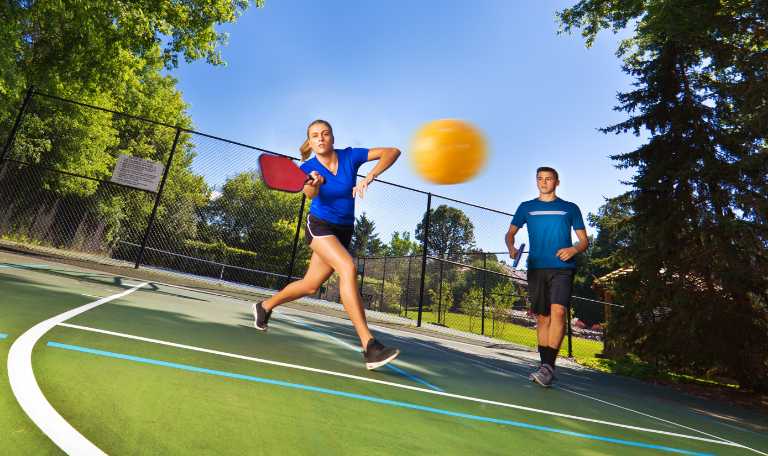
Top Pickleball Court Construction and Court Resurfacing Companies in Florida
ClassicCourt by Tarkett Sports
ClassicCourt, developed by Tarkett Sports, is a high-performance sports surfacing system built on precision-engineered post-tension concrete. Designed for long-term durability and consistent play, ClassicCourt provides a premium option for facilities looking to build pickleball courts that stand the test of time. With warranties of up to 50 years, it is one of the most structurally reliable systems available for schools, parks, clubs, and municipalities.
Pickleball Court Systems by ClassicCourt
- Post-Tension Concrete Base – Engineered to resist cracking, shifting, and surface deterioration far better than traditional asphalt.
- Long-Term Value – Backed by a 50-year structural warranty and 10-year surfacing warranty.
- Consistent Playability – Provides a stable, level surface ideal for pickleball ball bounce and player performance.
- Low Maintenance – Designed to reduce resurfacing needs and extend the lifespan of the court system.
- Professional Installation – Installed by PTI-certified professionals, ensuring quality and precision.
- Certifications & Memberships of California Sports Surfaces
- ASBA member
Why Choose ClassicCourt for Pickleball?
- Backed by Tarkett Sports, a global leader in athletic flooring innovation.
- Member of the American Sports Builders Association
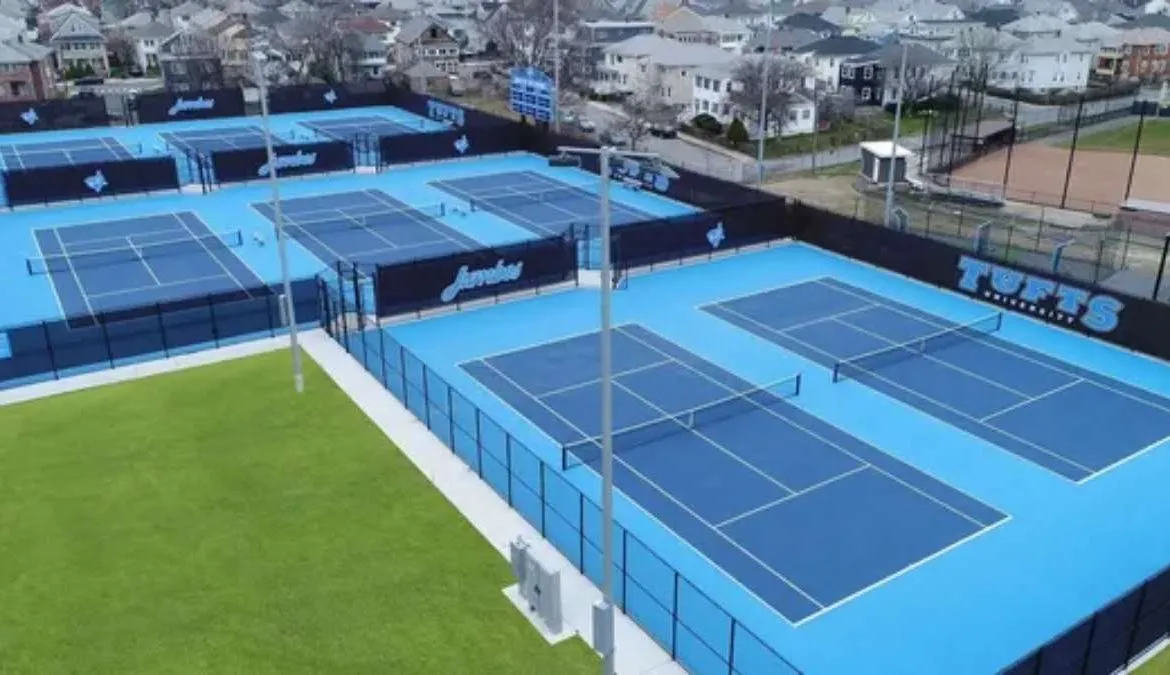
California Sports Surfaces
CSS is a leader in sports surface innovation, particularly for pickleball courts in Florida. Their surfaces, including DecoTurf, Plexipave, and Rebound Ace, provide excellent playability and safety for all levels of play, from recreational to professional use. CSS surfaces have been featured in major tournaments like the Olympics.
Pickleball Court Systems by California Sports Surfaces
- DecoTurf®: Versatile surface suitable for all play levels
- Plexipave: Designed for tournament-grade performance
- Rebound Ace®: Cushioned surface that reduces player fatigue
- Premier Sports Coatings®: High-performance coatings for residential and recreational courts
Certifications & Memberships of California Sports Surfaces
- ASBA member
Get in Touch
- Learn more and contact California Sports Surfaces in our supplier directory.

VersaCourt
VersaCourt specializes in customizable, modular pickleball courts throughout Florida. Their interlocking tile system provides safe, durable, and easy-to-maintain surfaces for residential and professional venues.
Pickleball Court Systems by VersaCourt
- Consistent ball bounce and superior grip
- Low-maintenance modular tiles
- Customizable designs for various settings
- Built for long-lasting durability
VersaCourt’s Services:
- Custom design and installation
- DIY installation support
Certifications & Memberships of VersaCourt
- ISO 9001:2008 certification
Get in Touch
- Learn more and contact VersaCourt in our supplier directory.


Ecore Athletic
Ecore Athletic is a leading provider of pickleball court surfacing solutions across Florida, offering durable, ergonomic, and acoustically optimized surfaces. Designed for both indoor and outdoor use, their products focus on performance, safety, and sustainability, reducing rubber waste with eco-friendly materials.
Pickleball Court System by Ecore Athletic
The MODcourt Pickle features an 8mm rubber base for superior shock absorption and energy return, enhancing playability for Florida’s diverse pickleball environments.
Ecore Athletic’s Services
- Nationwide design and installation
- Customized court solutions
Certifications & Memberships of Ecore Athletic
- ASBA member, FloorScore®, GREENGUARD Gold, ISO 9001

Florida’s Climate and Its Impact on Pickleball Court Resurfacing and Construction
The climate in Florida significantly influences pickleball court installation and resurfacing, with variations in climate and weather patterns across South, Central, and North Florida, as well as between inland and coastal locations.
South Florida
This region experiences a tropical climate with hot, humid summers and mild winters. The high humidity and heat can affect the curing and longevity of court materials like acrylic coatings. Additionally, the frequent rain necessitates excellent drainage systems to prevent water pooling on the courts. The intense sun exposure also requires UV-resistant materials to prevent rapid deterioration.
Central and North Florida
These areas have a more temperate climate compared to the south. While still humid, they experience cooler temperatures and less intense humidity. This means materials might not need to be as heat-resistant as in South Florida, but still must cope with variable weather conditions. The lower humidity in North Florida can be less taxing on court surfaces, potentially reducing maintenance needs.
Inland vs. Coastal Locations
In coastal areas, courts are exposed to salt air, which can be corrosive and necessitates the use of more durable, corrosion-resistant materials. In contrast, inland locations, while not dealing with salt air, might face more significant temperature fluctuations, impacting the expansion and contraction of court materials.
High-Velocity Wind Zone
In Florida, the impact of the High-Velocity Wind Zone (HVWZ), primarily affecting areas like Miami-Dade and Broward counties, significantly influences the construction and resurfacing of pickleball courts. This zone is defined by its susceptibility to high-speed winds, often due to hurricanes, and necessitates specialized building considerations:
- Stronger Materials: Courts require materials resilient to high winds and debris.
- Enhanced Structural Design: Design emphasizes stability to withstand extreme weather.
- Strict Building Codes: Compliance with rigorous HVWZ codes increases construction complexity and cost.
- Advanced Drainage: Effective systems are essential to manage heavy rains and potential flooding.
Outside the HVWZ, in regions like Central and North Florida, the requirements are less stringent, though still mindful of Florida’s overall climatic conditions, like humidity and general wind patterns.

Florida's Regulations and Permits for Professional Pickleball Court Development
In Florida, pickleball court construction and resurfacing projects are governed by a range of regulations, permits, and building codes that differ significantly throughout the state. This complexity is due to the distinct requirements of various Florida jurisdictions, each with its unique rules and enforcement.
State-Level Regulations
Florida’s state guidelines for sports facilities, including pickleball courts, encompass general environmental regulations, safety standards, and basic building codes. These provide a framework for construction and maintenance statewide.
The Florida 2020 Building Code lays the groundwork for all construction projects throughout the state, including pickleball courts. This code addresses several key areas:
- Site and Building Design: This includes directives on how pickleball courts should be positioned, detailing drainage system requirements and accessibility features to align with safety and functionality standards.
- Structural Design: The code specifies standards for court foundations, as well as requirements for fences and supports, emphasizing the need for structural integrity and long-lasting durability.
- Exterior Walls: There are established guidelines on the types of materials and methods to be used for court fencing, aiming to balance safety considerations with aesthetic appeal.
- Water Features: For pickleball courts featuring decorative fountains or other water elements, the code provides regulations to ensure these additions are installed and maintained correctly, enhancing the court’s overall design and functionality.
Local Building Codes and Permits
At the local level, specific counties and cities in Florida introduce their own building codes. Coastal regions, for instance, may have enhanced regulations for flood resistance and environmental conservation, whereas urban areas may focus more on efficient space use and ensuring accessibility. This local specificity means that pickleball court projects must adapt to the distinct requirements of their locations within Florida.
For the latest building codes and specific permit applications related to tennis court construction it’s recommended to consult with the Building Department of your city or county:

Accessibility and Inclusivity in Pickleball Facilities
Ensuring pickleball facilities in Florida are accessible and inclusive is vital. This means complying with the Americans with Disabilities Act (ADA) guidelines, using universal design principles to accommodate everyone, providing multilingual support, and actively engaging with the community. Inclusive programs, well-trained staff, regular assessments, and ongoing improvements are key. These steps guarantee that pickleball facilities are welcoming and accessible to all Floridians, reflecting the state’s diverse and inclusive community ethos.
Choosing the Right Pickleball Court Surface in Florida
In Florida, acrylic hard courts are the predominant choice for pickleball, largely because of their ideal bounce characteristics that suit the game. These surfaces also fare well in Florida’s humid environment, maintaining their condition and playability.
Hard courts begin with a stable, level foundation, typically involving soil compaction and gravel for drainage. A subbase, usually of crushed stone or concrete, is added, followed by an asphalt or reinforced concrete base. Optionally, a cushioning layer is added for comfort. The court is then coated with acrylic layers for traction and UV resistance, and marked with sport-specific lines. Final steps include installing nets and fencing. This construction ensures a durable, consistent, and safe surface for play.
Other surface options
While hard courts are the go-to option, there are instances where alternative surfaces like rubber, wood, grass, turf, or clay are used. These materials, though less common, offer varied playing experiences and can be selected based on specific preferences or playing styles. However, their suitability in Florida’s climate and maintenance requirements might differ from the more popular hard court option.
Funding Opportunities in Florida
Securing financing for pickleball court projects in Florida can be a complex process. Various funding avenues are available, from state grants to financial aids, to support the construction or resurfacing of pickleball courts.
Before you go through the options listed below, you can take a look at our separate article about pickleball court development grant opportunities.
National Grants and Funding Opportunities:
- National Park Service Land and Water Conservation Fund: This federal initiative provides grants for land acquisition for outdoor recreation, applicable to pickleball courts as well.
Florida-Specific Grants:
- Florida Department of Environmental Protection – Recreation Grants: These grants aid in developing and improving outdoor recreational facilities, including pickleball courts.
Pickleball Court Construction and Resurfacing Cost in Florida

Across Florida, the cost of constructing and resurfacing pickleball courts varies, reflecting the region’s labor rates and material costs suitable for its diverse climate conditions. Constructing a new pickleball court typically ranges from $17,000 to $55,000. This cost variation is influenced by local labor rates and the materials needed for Florida’s generally humid climate. Resurfacing an existing court can cost between $3,000 and $10,000, depending on the chosen materials and any additional work or upgrades.
Construction costs in Florida fluctuate regionally. Central Florida, for example, has costs similar to the state’s average, with material and design choices adapted to the subtropical climate. In South Florida, however, costs are often higher due to the high demand for recreational sports courts, tropical environment and the need for materials that withstand intense humidity and heat. Costs can vary based on the complexity of the project and the types of materials used.
For precise and personalized cost estimates for pickleball court construction or resurfacing in Florida, try our pickleball court cost calculator, where you can receive an instant, tailored quote for your project.
Maintenance and Upkeep of Pickleball Courts in Florida
Maintaining a pickleball court in Florida involves routine tasks like debris removal and the application of mildewcide to combat mold in the humid climate. Regular inspections and repairs of surface damage, as well as efficient water removal after rain, are critical. It’s also important to maintain fences, nets, and apply UV-protective coatings to protect against sun damage. Enlisting a professional court maintenance company can be beneficial, especially for those lacking time or expertise, ensuring effective upkeep, including specialized cleaning and periodic resurfacing to preserve the court’s condition and playability.
Conclusion
Constructing and renovating pickleball courts in Florida is a major project that offers significant benefits to the community. It demands careful planning and a deep knowledge of local climate and regulations, underlining the importance of choosing a court company well-versed in these aspects. Successful execution requires a commitment to excellence and understanding the specific needs of the community.
Creating top-quality pickleball facilities aligns with Florida’s strong tradition of community-focused sports. This effort to improve community life through pickleball showcases the state’s seamless integration of sports into its communal fabric, reinforcing the shared spirit that defines the Sunshine State.