Home » Sports Facility Grants & Funding » Washington Sports Facility Grants and Funding Opportunities
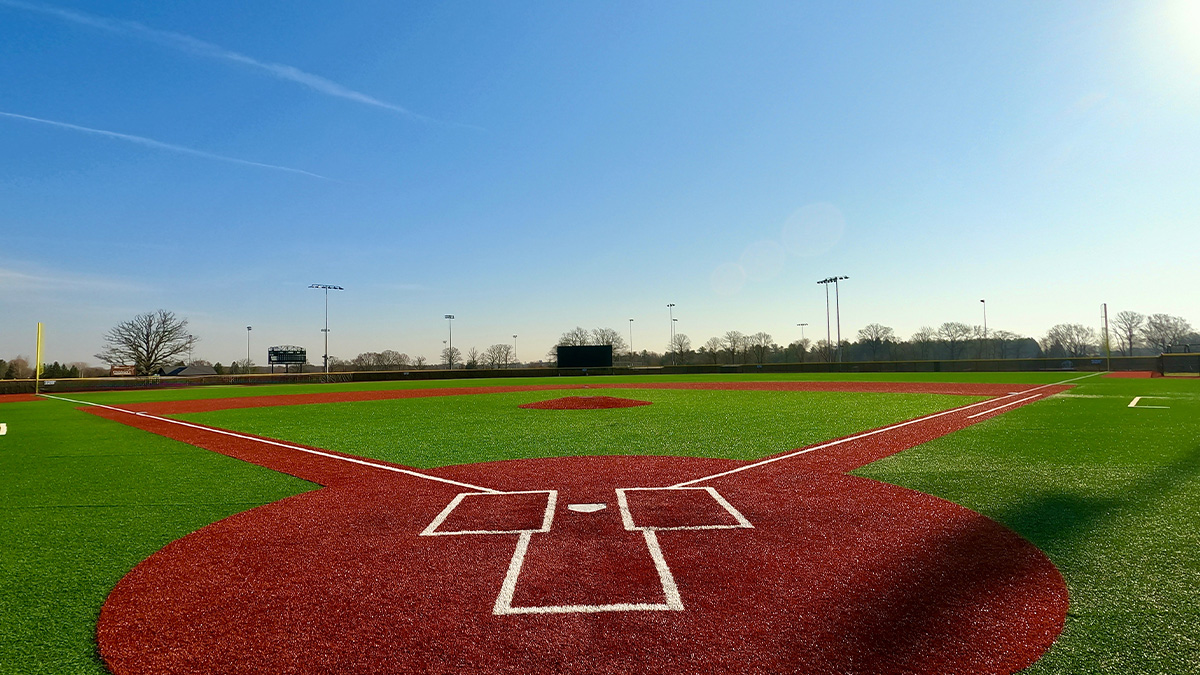
Washington State offers a robust mix of funding programs to support the development, improvement, and accessibility of athletic and recreational spaces. From public parks and school facilities to youth club fields and sport-specific venues, grant and loan opportunities are available through state agencies, federal programs, nonprofits, and private foundations.
This guide highlights key funding sources across four major categories, followed by a look at additional incentives for private developers, energy-efficiency programs, and city-level options.
Whether you’re building a multi-sport complex or upgrading a local baseball field, use this resource to start planning your funding strategy.
👉 If you’re in a hurry, download our 65-page Grants Guide with state-by-state funding programs—or explore the largest grants database in the U.S. dedicated exclusively to sports facility development, updated continuously to keep you ahead.
State-Level Funding Opportunities in Washington
Washington State agencies offer several competitive grant programs to support the planning, construction, and rehabilitation of public recreational facilities. Many of these programs are administered through the Washington State Recreation and Conservation Office (RCO), which manages a wide range of resources for local governments, tribes, and qualifying nonprofits. Priorities often include improving outdoor access, preserving public lands, supporting youth activity, and developing safe community spaces.
These opportunities typically require detailed project plans, matching funds, and a demonstrated community benefit.
Washington Wildlife and Recreation Program (WWRP)
The Washington Wildlife and Recreation Program is one of the state’s most comprehensive sources of funding for outdoor recreation and conservation. It provides grants to develop or improve parks, sports fields, playgrounds, and other recreational infrastructure across Washington.
- What it funds: Outdoor recreational and sports facilities development
- Eligibility: Local governments, state agencies, nonprofit organizations
- Deadline: May 1 each year
- Amount: Varies
- Link: WWRP Grant Info
Youth Athletic Facilities (YAF) Program
Administered by Washington’s Recreation and Conservation Office, the YAF program supports the planning, acquisition, and development of outdoor athletic facilities. The program helps communities build or enhance sports fields, fitness zones, and playgrounds to promote youth physical activity.
- What it funds: Sports fields, playgrounds, fitness zones, recreational facilities
- Eligibility: Local governments, school districts, nonprofit organizations
- Deadline: Annually, typically in July
- Amount: Varies (some awards up to $350,000)
- Link: YAF Program Details
Youth & Amateur Sports Grants (YASG) – King County
Administered by King County Parks, the Youth & Amateur Sports Grants support capital projects that expand access to outdoor recreation and sports. This includes athletic fields, sports courts, and other facility improvements in King County communities.
- What it funds: Sports fields and capital projects that increase access to play and recreation
- Eligibility: Cities, towns, public school districts, nonprofit organizations, and public agencies in King County
- Deadline: January
- Amount: Up to $250,000
- Link: King County YASG
Federal Funding Opportunities Available in Washington
Federal programs offer significant funding for recreational infrastructure, either through direct applications or pass-through programs managed at the state level. Many of these grants focus on improving access, environmental stewardship, or community development in underserved areas. Agencies like the National Park Service, U.S. Department of Agriculture, and Environmental Protection Agency fund a variety of eligible projects, including playgrounds, trails, athletic fields, and green space redevelopment.
Applicants may include municipalities, school districts, tribes, and nonprofit organizations.
Community Development Block Grant Program (CDBG State)
This long-standing federal program awards funds to states, which then distribute grants to smaller units of local government. In Washington, CDBG funds may support parks, playgrounds, recreational facilities, and community centers, particularly in low- and moderate-income areas.
- What it funds: Parks, playgrounds, recreational facilities, community centers
- Eligibility: States award grants to smaller units of local government
- Deadline: Varies by state
- Amount: Varies
- Link: HUD CDBG Program
Community Facilities Direct Loan & Grant Program
Administered by the USDA, this program provides direct loans and grants to develop essential community facilities in rural areas. Eligible projects in Washington include recreational facilities and sports complexes, with funding available to public bodies, nonprofits, and federally recognized tribes.
- What it funds: Recreational facilities, sports complexes
- Eligibility: Public bodies, non-profits, federally recognized tribes in rural areas
- Deadline: Rolling basis
- Amount: Varies
- Link: USDA Community Facilities Program
EPA Brown / Greenfield Program
The EPA’s Brownfields Program provides funding to clean up and redevelop contaminated properties, which can include converting sites into athletic fields, playgrounds, and recreational facilities. This is a major federal opportunity for local governments and nonprofits in Washington to reclaim underused land for public benefit.
- What it funds: Athletic fields, playgrounds, and recreational facilities
- Eligibility: Local governments, states, tribes, non-profits
- Deadline: Typically November
- Amount: $500,000 to $2 million
- Link: EPA Brownfields Program
Land and Water Conservation Fund (LWCF)
The LWCF is a federal program that provides matching grants to states and local governments to help acquire and develop public outdoor recreation areas and facilities. In Washington, the program can fund a wide variety of projects, from parks to sports complexes, benefiting both urban and rural communities.
- What it funds: General recreation/sports facility development (outdoor/indoor)
- Eligibility: States, local governments, tribal governments
- Deadline: Varies by state
- Amount: Varies by state/project
- Link: Land and Water Conservation Fund
Outdoor Recreation Legacy Partnership Program
This program supports projects that create or reinvigorate parks and recreation areas in economically disadvantaged urban communities. In Washington, local governments, tribes, and nonprofits may apply for funding to develop new playgrounds, sports fields, and other outdoor recreation facilities.
- What it funds: Playgrounds, sports fields
- Eligibility: Local governments, states, tribes, non-profits
- Deadline: Varies by state
- Amount: Varies
- Link: Outdoor Recreation Legacy Partnership
Rural Development Grant (USDA)
This program provides grants to develop essential facilities in rural areas, including sports and recreational infrastructure. Washington public bodies, nonprofits, and federally recognized tribes can apply for funding to construct or improve community recreational spaces.
- What it funds: General recreation/sports facility development
- Eligibility: Public bodies, non-profits, federally recognized tribes in rural areas
- Deadline: Rolling basis
- Amount: Varies
- Link: Rural Development Grant – Washington
Urban Park and Recreation Recovery (UPARR) Program
Administered by the National Park Service, the UPARR program provides federal support to economically distressed urban communities. In Washington, qualifying areas can receive funding to rehabilitate playgrounds, athletic fields, and other public recreation spaces.
- What it funds: Playgrounds, athletic fields, recreational facilities
- Eligibility: Economically disadvantaged urban communities
- Deadline: Not confirmed
- Amount: Varies by project
- Link: UPARR Program
U.S. Department of Energy – Renew America’s Schools
This federal grant program helps schools implement energy-efficient improvements, including LED lighting upgrades and renewable energy systems. While not exclusive to athletics, it can be used to enhance energy efficiency in gymnasiums and athletic facilities throughout Washington.
- What it funds: Energy-efficient lighting (LED upgrades)
- Eligibility: Schools and non-profit organizations working on behalf of a school
- Deadline: April
- Amount: Varies
- Link: Renew America’s Schools
Recreational Trails Program (RTP)
Funded by the Federal Highway Administration, the Recreational Trails Program provides assistance for the development and maintenance of trails throughout Washington. Projects may include hiking, biking, running trails, and even track rehabilitation. Matching funds are required.
- What it funds: Construction and rehabilitation of recreational trails (including running tracks)
- Eligibility: Qualified local governments, state and federal agencies (minimum 20% match required)
- Deadline: November
- Amount: Up to $200,000
- Link: RTP Info by State
Nonprofit and Private Foundation Funding in Washington
Many national and regional foundations offer grants to support active lifestyles, youth sports participation, and community development. These funding sources often prioritize underserved populations, health outcomes, or revitalization efforts through sport and recreation. While some programs accept applications year-round, others follow annual cycles or are invitation-only.
Eligible applicants commonly include 501(c)(3) organizations, schools, and local governments, depending on the program’s goals.
Ben B. Cheney Foundation
The Ben B. Cheney Foundation provides grants for community-focused projects in Pierce County and Southwestern Washington. Funding can support recreational and sports facility development that enhances quality of life for local residents. Applications are accepted year-round.
- What it funds: Community recreational facilities development
- Eligibility: Communities in Pierce County and Southwestern Washington
- Deadline: None (rolling basis)
- Amount: Unspecified
- Link: Ben B. Cheney Foundation
KaBOOM! (Seattle)
KaBOOM! partners with communities to design and build playgrounds and other recreational spaces for children in underserved areas. In Seattle, the organization provides funding and expertise to create safe, vibrant play spaces for low-income and special-needs communities.
- What it funds: Community recreational facilities development (playgrounds and play spaces)
- Eligibility: Low-income and/or special needs communities in Seattle
- Deadline: Rolling basis
- Amount: Unspecified
- Link: KaBOOM! Grants
NRPA / Bobcat Company Improvement Grant Program
This program, offered through the National Recreation and Park Association, provides grants to improve community recreational facilities. In Washington, eligible entities can apply for funding to upgrade playgrounds, parks, and community spaces.
- What it funds: Community recreational facilities development
- Eligibility: Tax-exempt/non-profit organizations, schools, colleges, governmental entities
- Deadline: Not confirmed
- Amount: $50,000
- Link: NRPA Bobcat Grant Program
National Recreation and Park Association (NRPA) Grants
The NRPA offers a variety of national grant opportunities to support local parks and recreation departments and nonprofit organizations. In Washington, funding may be available for projects like fitness zones, sports fields, playground upgrades, and inclusive design improvements.
- What it funds: Playgrounds, fitness zones, sports fields
- Eligibility: Local governments, park and recreation agencies, non-profits
- Deadline: Varies by grant
- Amount: Varies
- Link: NRPA Grants
All Kids Play – Youth Sports Grants
Focused on underserved communities, the All Kids Play grant program funds youth sports initiatives that remove barriers to participation. Funding may go toward facility improvements, adaptive equipment, or inclusive program development in Washington’s low-income communities.
- What it funds: Equipment and facility improvements for youth sports programs
- Eligibility: Nonprofit organizations in low-income communities
- Deadline: Rolling basis
- Amount: Varies
- Link: All Kids Play
Sport-Specific Funding and Grant Opportunities in Washington
In addition to general recreation funding, many sport governing bodies offer grants tied to specific athletic activities — such as football, soccer, tennis, and track & field. These programs may support facility improvements, surface upgrades, lighting installations, and more. Applications may be limited to affiliated organizations or clubs, but others are open to any qualified youth-focused or educational entity.
This category is ideal for projects that directly support participation in a single sport or governing body’s mission.
MLB Baseball Youth Development Foundation
This national foundation supports capital projects and programs that increase access to baseball and softball for youth. In Washington, nonprofits, schools, and youth sports clubs can apply for funding to develop or improve fields and related facilities.
- What it funds: Youth sports facility development
- Eligibility: Non-profits, educational institutions, youth sports clubs
- Deadline: Rolling basis
- Amount: Unspecified
- Link: MLB Youth Development Foundation
NFL Foundation Grassroots Program
The NFL Foundation Grassroots Program provides funding to help nonprofit organizations and schools improve or build new football fields. In Washington, it can be a key source for upgrading turf, lighting, and equipment for youth and high school football programs.
- What it funds: Youth sports facility development (football fields)
- Eligibility: Non-profits, educational institutions, youth sports clubs
- Deadline: In the spring
- Amount: $250,000
- Link: NFL Foundation Grassroots
Safe Places to Play Grants (U.S. Soccer Foundation)
The U.S. Soccer Foundation’s Safe Places to Play program helps communities across Washington build and enhance soccer-specific infrastructure. This includes grants for mini-pitches, turf installation, lighting, and other field improvements that make the game more accessible to youth in underserved areas.
- What it funds: Soccer fields, mini-pitches, lighting
- Eligibility: Non-profit organizations, schools, municipalities, and community-based organizations
- Deadline: Multiple cycles
- Amount: Unspecified
- Link: Safe Places to Play
Sports Matter Grant (Dick’s Sporting Goods Foundation)
The Sports Matter program supports youth sports organizations with facility-related funding and other resources. In Washington, eligible groups can apply for up to $25,000 to enhance access to sports for kids, particularly in underfunded programs.
- What it funds: Youth sports facility development
- Eligibility: Non-profits, educational institutions, youth sports clubs
- Deadline: Rolling basis
- Amount: $25,000
- Link: Sports Matter Grant
USTA Facility Assistance Program
The USTA’s Facility Assistance Program supports the development and enhancement of tennis facilities nationwide. In Washington, grants are available to help fund resurfacing, lighting, and other upgrades for public and school-based tennis courts.
- What it funds: Tennis court surfacing
- Eligibility: Non-profits, educational institutions, youth sports clubs
- Deadline: None
- Amount: $55,000
- Link: USTA Facility Assistance
USA Track & Field (USATF) Grants
USATF offers a variety of grants to increase participation in track and field and improve related facilities. In Washington, funding may support resurfacing or constructing running tracks or other infrastructure for youth and amateur athletics. Each grant has specific eligibility criteria and focus areas.
- What it funds: Track and field participation projects, including running track resurfacing and facility improvements
- Eligibility: Varies by grant; may include schools, clubs, and community groups
- Deadline: Varies by program
- Amount: Varies
- Link: USATF Grants
USA Football Grant Program
This national program provides funding to enhance safety and access in youth and school-based football programs. Grants can be used for field upgrades, equipment purchases, and more. Washington football programs serving youth and teens may benefit from this flexible funding source.
- What it funds: Equipment and field upgrades for youth, middle school, and high school football
- Eligibility: U.S.-based tax-exempt organizations that operate football programs
- Deadline: Varies
- Amount: Varies
- Link: USA Football Grants
Funding Opportunities for Private Developers and Businesses

Washington State offers limited direct grant funding for private developers, but there are still several potential pathways for financing sports and recreational facilities through public-private partnerships, incentive programs, and infrastructure tools. Below are the primary options worth exploring:
New Markets Tax Credits (NMTC):
While not state-specific, this federal incentive may be used for large-scale recreational or athletic facility developments located in qualified low-income census tracts. NMTCs can provide equity support for private developers through investment intermediaries, especially when the facility promotes community access or youth engagement.
Opportunity Zones:
Washington contains several federally designated Opportunity Zones where private developers may benefit from capital gains tax deferral or elimination by investing in qualified projects. While not sports-specific, mixed-use developments that incorporate recreation or community athletic facilities may qualify if they meet economic development goals.
Industrial Development Bonds (IDBs):
For-profit developers constructing large indoor or outdoor sports venues may be eligible for low-interest, tax-exempt financing through Washington’s industrial development bond program. Issued through cities or counties, these bonds can support the construction of recreational or sports infrastructure that contributes to regional economic development.
Public-Private Partnership (P3) Support through Local Municipalities:
Some municipalities in Washington may be open to land use support, lease agreements, or shared development models for facilities that offer public access. Developers should explore local parks and planning departments to identify areas where public investment or land contribution could reduce upfront costs and improve project viability.
Property Tax Abatement or Sales Tax Deferral Programs:
In certain cases, developers who include recreational infrastructure in commercial developments (e.g., sports courts in mixed-use projects) may be eligible for local tax relief, though these incentives vary by jurisdiction and require close coordination with city planners and economic development offices.
Utilities Rebates and Green Incentives in Washington State
For sports and recreation facilities in Washington, going green isn’t just good for the planet — it can be good for the budget too. Throughout the state, energy providers and government programs offer a variety of financial incentives that make energy-efficient upgrades more affordable. Facilities planning to install LED lighting, improve HVAC systems, or add renewable energy features like solar panels may be eligible for rebates and grants that reduce both upfront construction costs and long-term utility expenses.
Many of Washington’s utility companies — including Seattle City Light, Puget Sound Energy, and Avista — offer rebates for commercial lighting upgrades, which can significantly lower the cost of switching to LED fixtures for gyms, fields, or parking areas. Larger or custom projects may qualify for performance-based programs that assess total energy savings and provide incentives based on those projections.
Schools and nonprofit partners working on their behalf can also tap into national programs like the U.S. Department of Energy’s Renew America’s Schools initiative, which funds efficiency improvements for education-related buildings. Athletic facilities on school campuses, including gymnasiums and multi-use recreation spaces, may be eligible for funding to support lighting upgrades, insulation, and renewable energy installations.
For projects that involve outdoor spaces, Washington’s Recreational Trails Program provides matching funds for the development or rehabilitation of trails and tracks — especially when they incorporate sustainable design or accessible features. And for facilities looking to invest in solar, there are additional state and federal incentives available, including net metering and sales tax exemptions.
Whether it’s a small retrofit or a full new build, these green incentives can help make sports and recreation facilities more energy-efficient, future-focused, and financially sustainable.
City-Level and Regional Funding Opportunities
Several cities and regional organizations in Washington provide targeted support for parks, sports facilities, and recreation-based infrastructure — often with an emphasis on equity and access.
In Seattle, funding for community-driven recreational projects is available through local programs like the Seattle Neighborhood Matching Fund and initiatives from Seattle Parks and Recreation. These city-backed efforts frequently prioritize underserved neighborhoods and have supported new playgrounds, renovated athletic fields, and multisport courts. Additionally, national partners such as KaBOOM! have focused efforts in Seattle, partnering with community-based organizations to build play spaces for low-income and special-needs communities.
King County, which includes cities like Renton, Kent, Auburn, and Shoreline, offers the Youth and Amateur Sports Grants (YASG) program. This initiative awards up to $250,000 per project to expand youth access to sports and outdoor play. Cities, schools, and nonprofits across the county can apply to fund field development, lighting upgrades, and accessibility improvements.
In Tacoma and surrounding areas of Pierce County, the Ben B. Cheney Foundation is a regional philanthropic source of recreation funding. The foundation supports projects that enhance quality of life through athletics and play — including gymnasium upgrades, field renovations, and community sports hubs. Other eligible cities include Puyallup, Lakewood, Gig Harbor, and Spanaway, all within the foundation’s stated service area in southwestern Washington.
While not every city has a formal sports grant program, many — like Spokane, Vancouver, and Bellingham — participate in broader federal and state funding pipelines such as the Community Development Block Grant (CDBG) program, which can support recreational improvements when tied to economic development or community health objectives.
Together, these city and regional opportunities complement state and federal grants and can provide critical funding for localized or neighborhood-scale facility development.
Start Planning Your Washington State Sports Facility Project
Securing funding for a new or upgraded sports facility can be a complex process, but Washington offers a broad and promising landscape for planners who start early and take a strategic approach.
With a wide range of opportunities — from federal and state-level programs to local city initiatives and private-sector grants — it’s possible to layer funding sources to meet your full project scope.
Explore next steps: