Home » Sports Facility Grants & Funding » Hawaii Sports Facility Grants and Funding Opportunities
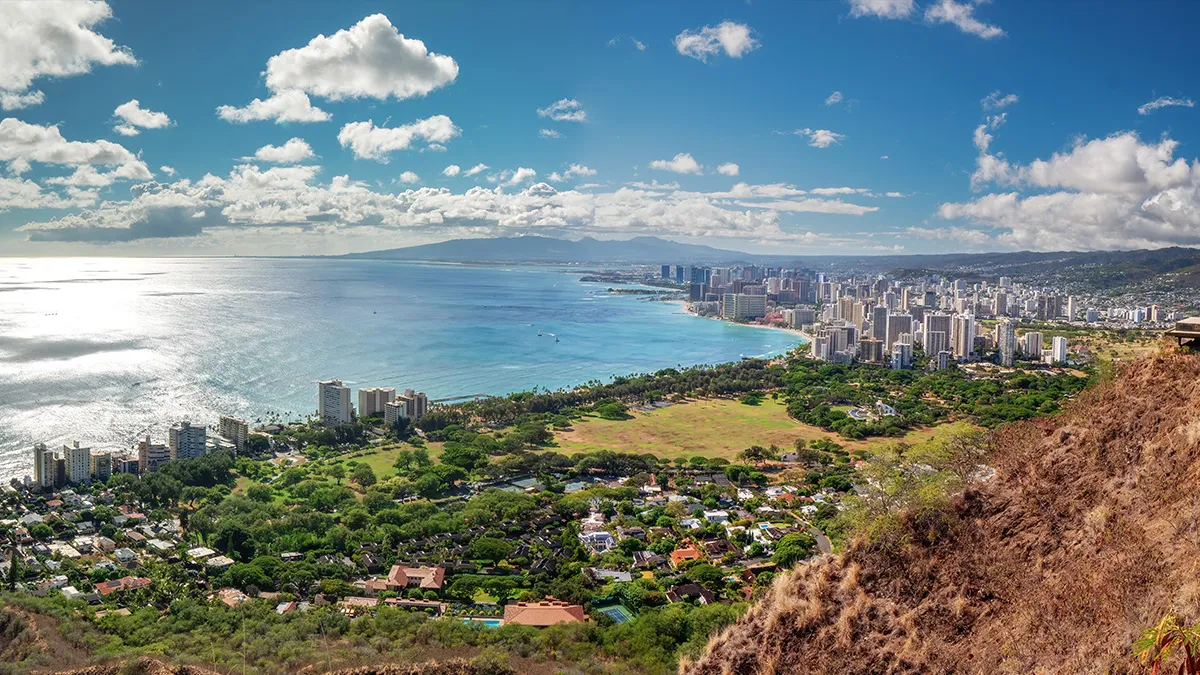
Hawaii offers a diverse mix of grants and funding opportunities to help communities, schools, and nonprofits develop or enhance sports and recreation facilities. From state-administered outdoor recreation programs to federal funding and private foundations, these resources support projects that strengthen local communities, promote wellness, and preserve Hawaii’s natural and cultural landscapes.
This guide highlights the most relevant sports and recreation funding programs available in Hawaii — helping you identify opportunities, plan strong applications, and secure support for your next facility project.
👉 If you’re in a hurry, download our 65-page Grants Guide with state-by-state funding programs—or explore the largest grants database in the U.S. dedicated exclusively to sports facility development, updated continuously to keep you ahead.
State-Level Funding for Sports Facilities in Hawaii
Hawaii’s state agencies — including the Department of Land and Natural Resources (DLNR), the Hawaii Tourism Authority (HTA), and the Office of Planning and Sustainable Development — manage several programs that support parks, trails, and community recreation facilities. These state-level programs often focus on outdoor access, cultural preservation, and tourism-based recreation that benefits both residents and visitors.
Hawai‘i State Grant – Public Recreation Facilities
This state program provides financial assistance to local governments and organizations developing or improving public recreation areas across the islands. Funding supports projects that enhance outdoor access, promote physical activity, and strengthen community spaces.
- Max Grant Amount: Up to $150,000
- Who Can Apply: Municipalities, local governments, and eligible nonprofits in Hawai‘i
- What It Funds: Park upgrades, sports and recreation facility improvements, and public-use recreation projects
- Application Deadline: Rolling
- Contact/Link: Hawai‘i State Grant – Public Recreation Facilities
Hawai‘i State Recreational Trails Grant
Administered by the Hawai‘i Department of Land and Natural Resources (DLNR), this program funds the planning, development, and maintenance of non-motorized trails and recreation routes throughout the islands. Projects often focus on environmental stewardship and community access to natural spaces.
- Max Grant Amount: $10,000–$100,000
- Who Can Apply: Local governments, state agencies, and nonprofit organizations
- What It Funds: Trail construction, rehabilitation, paving, and signage projects
- Application Deadline: Annual (varies by cycle)
- Contact/Link: Hawai‘i State Recreational Trails Grant
Federal Grants Supporting Sports and Recreation in Hawaii
Federal agencies such as the U.S. Department of Agriculture (USDA), the Department of Housing and Urban Development (HUD), and the National Park Service (NPS) provide funding for recreation, conservation, and infrastructure projects. These programs help Hawaiian communities create and maintain parks, trails, and sports facilities that reflect the islands’ unique environments and lifestyles.
Recreational Trails Program (RTP)
The Recreational Trails Program, supported by the Federal Highway Administration (FHWA), provides matching grants for developing and maintaining trail systems across Hawai‘i. RTP funding promotes multi-use recreation and supports sustainable outdoor tourism.
- Max Grant Amount: Up to $200,000 (requires a 20% local match)
- Who Can Apply: State and local governments, park agencies, and qualified nonprofits
- What It Funds: Trail construction, rehabilitation, maintenance, and related amenities
- Application Deadline: November
- Contact/Link: Recreational Trails Program (RTP)
Transportation Alternatives Program (TAP) – Hawai‘i DOT
Administered by the Hawai‘i Department of Transportation, the TAP program provides federal funding for bicycle, pedestrian, and multi-use path projects that promote safe and sustainable mobility. Recreation-based trail and path projects that improve outdoor access are eligible.
- Max Grant Amount: Varies by project (previous awards up to $5 million statewide)
- Who Can Apply: Local governments, regional transportation authorities, and nonprofits
- What It Funds: Multi-use trails, sidewalks, bicycle paths, and safe access to recreation areas
- Application Deadline: Varies by funding cycle
- Contact/Link: Transportation Alternatives Program – Hawai‘i DOT
Nonprofit and Private Sports Grants in Hawaii
Private foundations and nonprofit organizations play a growing role in supporting Hawaii’s recreation landscape. These grants often prioritize youth engagement, community wellness, and facility improvements that promote environmental sustainability and cultural connection through recreation.
John M. Ross Foundation
The John M. Ross Foundation, managed by the Bank of Hawaii, provides grants for community improvement projects across the state. Recreation-focused funding supports parks, playgrounds, and community facilities that enhance local quality of life and promote active, healthy communities.
- Max Grant Amount: $5,000
- Who Can Apply: Tax-exempt nonprofits, schools, colleges, and government entities in Hawaii
- What It Funds: Community recreation and facility development projects
- Application Deadline: February 1
- Contact/Link: John M. Ross Foundation
Strong Foundation
The Strong Foundation, also administered by the Bank of Hawaii, supports projects that strengthen communities through education, health, and recreation. Funding is available for initiatives that promote youth engagement, wellness, and access to recreation facilities throughout Hawaii.
- Max Grant Amount: Unspecified
- Who Can Apply: Tax-exempt nonprofits, schools, colleges, and government entities
- What It Funds: Community recreation facilities, park projects, and health-oriented programs
- Application Deadline: March 1
- Contact/Link: Strong Foundation
Sport-Specific Grants and Funding in Hawaii
Several national and regional organizations provide sport-specific funding for facility development and athletic programs. These grants help Hawaiian communities and schools improve access to quality facilities for baseball, soccer, tennis, football, and track and field, while promoting safe, inclusive play across the islands.
NFL Foundation – Pro Bowl / Grassroots Program (Hawai‘i)
The NFL Foundation’s Grassroots Program supports community-based recreation projects and youth sports initiatives. In Hawai‘i, grants are periodically tied to the NFL Pro Bowl and other community events to fund facility improvements and athletic programming.
- Max Grant Amount: Varies
- Who Can Apply: Nonprofits, schools, and community-based organizations in Hawai‘i
- What It Funds: Youth sports facilities, football field improvements, and community recreation programs
- Application Deadline: Varies
- Contact/Link: NFL Foundation Grassroots Program
Youth Sports Facility Grant – Hawai‘i
This program supports the development and enhancement of community sports and recreation facilities across Hawai‘i. Funding helps local organizations create safe, inclusive spaces that encourage physical activity and youth participation in sports.
- Max Grant Amount: $5,000–$50,000
- Who Can Apply: Community nonprofits and recreation organizations
- What It Funds: Sports facility upgrades, equipment, and field improvements
- Application Deadline: Rolling
- Contact/Link: Hawai‘i Youth Sports Facility Grant
Funding for Private Developers & Businesses in Hawaii

Private developers and business owners in Hawaiʻi can access several incentive programs designed to promote tourism, outdoor recreation, and community infrastructure. These initiatives support the development of sports facilities, event venues, and recreation spaces that enhance both economic activity and resident well-being across the islands.
Hawaiʻi Department of Business, Economic Development & Tourism (DBEDT) Incentives
The Hawaiʻi Department of Business, Economic Development & Tourism (DBEDT) offers programs that encourage investment in projects supporting sustainable tourism, community enrichment, and recreation development.
- Enterprise Zones (EZ) Partnership Program: Provides tax credits and exemptions for businesses investing in eligible areas, including sports, recreation, and tourism-related facilities that create local jobs.
- Hawaiʻi Community-Based Economic Development (CBED) Program: Offers low-interest loans and grants for community-based projects, including recreation and youth development facilities.
- Hawaiʻi Green Infrastructure Authority (HGIA): Provides low-interest financing for energy-efficient upgrades, renewable energy systems, and sustainable building improvements for commercial or recreation facilities.
These programs help developers align recreation and tourism projects with Hawaiʻi’s goals of community resilience, environmental stewardship, and economic diversification.
Hawaiʻi Tourism Authority (HTA) – Product Enrichment Program
The Hawaiʻi Tourism Authority (HTA) administers the Community Enrichment Program and the Product Enrichment Program (PEP) to fund tourism and cultural projects that enhance visitor experiences and resident quality of life. Recreation or sports-related events and facilities that drive local tourism are eligible.
- Max Grant Amount: Varies by project
- Who Can Apply: Local governments, nonprofits, and public-private partnerships
- What It Funds: Sports tourism events, recreation facilities, and outdoor experiences that celebrate Hawaiʻi’s culture and environment
Opportunity Zones
Hawaiʻi has 25 federally designated Opportunity Zones across urban and rural communities on all major islands. Investors who reinvest capital gains into qualifying projects within these zones can defer or reduce federal taxes while supporting sustainable community development.
- Eligible Projects: Sports complexes, recreation centers, and mixed-use venues that promote tourism and local activity.
- Program Benefits: Federal capital gains deferrals and partial forgiveness over long-term investment periods.
Renewable Energy and Green Building Incentives
Developers building sports or recreation facilities can take advantage of energy-efficiency programs that lower operating costs and support Hawaiʻi’s clean-energy goals.
- Hawaiian Electric (HECO): Offers rebates for solar and energy-efficient lighting installations through the Energy Advantage Program.
- Hawaiʻi Energy Program: Provides cash incentives and technical support for businesses upgrading to energy-efficient lighting, HVAC, and water systems.
- Green Energy Market Securitization (GEMS): Finances renewable energy upgrades through affordable loans for public and private facilities.
These programs are particularly beneficial for recreation centers, aquatic facilities, and multi-use sports venues designed for long-term sustainability.
County-Level Development Incentives
Counties across Hawaiʻi also provide local incentives and support for recreation or community-focused developments:
- Honolulu County: Offers expedited permitting and zoning support for public-private recreation projects.
- Maui County: Provides tax incentives for developments that expand tourism and community recreation opportunities.
- Hawaiʻi County (Big Island): Uses tourism funding to assist in the development of facilities that attract regional sporting events.
- Kauaʻi County: Partners with the HTA and DBEDT to co-fund recreation infrastructure that supports both resident and visitor needs.
When combined with state and federal programs, these local incentives make Hawaiʻi a strong environment for developers looking to invest in sports and recreation projects that honor both community and culture.
Utilities Rebates and Green Incentives in Hawaii
Sports and recreation facilities in Hawaiʻi can reduce operating costs and environmental impact through energy-efficiency and renewable energy programs offered by the state’s major utilities. These initiatives provide rebates, technical support, and low-interest financing for lighting, HVAC, and renewable system upgrades — helping make facilities more sustainable and cost-effective across the islands.
Hawaiian Electric Company (HECO)
Hawaiian Electric offers a comprehensive portfolio of commercial energy-efficiency programs that help businesses and community facilities reduce energy use and lower operational costs.
- Lighting and Equipment Rebates: Incentives for LED lighting upgrades, energy-efficient HVAC systems, and smart controls for gymnasiums, arenas, and recreation centers.
- Demand Response Programs: Rewards for facilities that reduce electricity use during high-demand periods.
- Custom Energy Projects: Tailored incentives for large-scale facilities or complexes implementing renewable energy solutions, such as solar and battery storage.
HECO also provides technical design assistance for new construction projects to ensure energy efficiency is built into the facility from the start.
Hawaiʻi Energy Efficiency Program
Hawaiʻi Energy is the state’s energy-efficiency and conservation program serving customers of Hawaiian Electric, Maui Electric, and Hawaiʻi Electric Light. It offers generous rebates and expert guidance to help commercial, government, and nonprofit facilities manage energy costs.
- Commercial Energy Rebates: Cash incentives for LED lighting, HVAC upgrades, refrigeration, and water heating systems.
- Custom Incentives: For recreation and sports facilities pursuing high-impact energy-saving projects.
- Energy Audits: Free or low-cost assessments to identify efficiency opportunities and rebate eligibility.
This program is particularly beneficial for community centers, aquatic facilities, and recreation complexes that operate year-round.
Kauaʻi Island Utility Cooperative (KIUC)
Kauaʻi Island Utility Cooperative provides renewable energy and efficiency programs that help reduce electricity use and promote sustainability across Kauaʻi.
- Commercial Efficiency Rebates: Incentives for LED lighting, HVAC systems, and building controls.
- Renewable Energy Programs: Support for solar PV, battery storage, and energy management technologies.
- Net Energy Metering and Smart Export Programs: Credits for excess renewable energy produced by on-site systems, reducing long-term utility expenses.
KIUC’s community-based model makes it a strong partner for recreation and sports facility projects that prioritize renewable energy and environmental responsibility.
Hawaiʻi Green Infrastructure Authority (HGIA)
The Hawaiʻi Green Infrastructure Authority (HGIA) supports clean energy investments through its Green Energy Market Securitization (GEMS) Program, which provides affordable financing for renewable and energy-efficient upgrades.
- What It Funds: Solar power systems, LED lighting, HVAC upgrades, and battery storage for commercial, nonprofit, and public facilities.
- Who Can Apply: Public and private facility owners, including schools, nonprofits, and community recreation centers.
- Financing Options: Low-interest loans that can be repaid through utility bills or energy savings.
HGIA programs are especially useful for recreation facilities that want to reduce their carbon footprint while keeping long-term operational costs low.
Local County and Community Programs
Each island county — Honolulu, Maui, Hawaiʻi, and Kauaʻi — also partners with local utilities to provide additional energy incentives and sustainability support for recreation and community facilities.
- Honolulu County’s Office of Climate Change, Sustainability & Resiliency assists public and private facilities in implementing clean energy projects.
- Maui County Energy Office offers technical support and grant coordination for efficiency upgrades in recreation facilities.
- Hawaiʻi County’s Energy Efficiency Program helps local governments integrate renewable systems into public spaces, including parks and community centers.
Combining these programs allows Hawaiʻi communities to design energy-smart recreation and sports facilities that support both sustainability goals and cultural stewardship.
City-Level and Regional Funding Opportunities in Hawaii
Cities and counties across Hawaiʻi actively invest in recreation, sports, and community facilities through capital improvement programs, bond measures, and public-private partnerships. Many also collaborate with the Hawaiʻi Tourism Authority (HTA), Department of Land and Natural Resources (DLNR), and local nonprofits to enhance parks and outdoor spaces that reflect Hawaiʻi’s culture and natural beauty.
Honolulu
Honolulu’s Department of Parks and Recreation (DPR) oversees a vast network of parks, playgrounds, and recreation centers funded through the city’s Capital Improvement Program (CIP) and partnerships with the Hawaiʻi Tourism Authority. Major projects include athletic field renovations, community center expansions, and the development of coastal trails. The city also integrates green infrastructure and sustainability features into new recreation facilities through collaborations with the Office of Climate Change, Sustainability, and Resiliency.
Hilo
Hilo’s Parks and Recreation Department manages public parks, aquatic centers, and community sports facilities across East Hawaiʻi. Funding comes from county capital funds, local partnerships, and grants through the Hawaiʻi County Department of Research and Development, which supports tourism, recreation, and community wellness projects. Hilo’s coastal location makes it a priority area for outdoor recreation investments and sports tourism initiatives.
Kailua-Kona
Kailua-Kona’s recreation projects are funded through Hawaiʻi County’s Capital Budget and partnerships with local tourism boards and community foundations. The city focuses on expanding outdoor facilities, such as beach parks, youth sports fields, and coastal trails that support both residents and visitors. Kona’s position as a major sports tourism hub — hosting events like the Ironman World Championship — has helped drive ongoing investment in athletic infrastructure.
Kahului
Kahului’s Maui County Parks and Recreation Department develops and maintains athletic fields, trails, and community centers supported by county budgets, bonds, and grants. The city partners with the Maui County Office of Economic Development and Hawaiʻi Tourism Authority to improve facilities that host sports tournaments, cultural festivals, and outdoor recreation programs. Kahului also participates in the Maui Sustainability Initiative, ensuring new facilities are designed for long-term environmental balance.
Līhuʻe
Līhuʻe’s Kauaʻi County Department of Parks and Recreation manages parks, beach access areas, and sports complexes that are vital to community life. Funding sources include county capital projects, HTA grants, and collaborations with the Kauaʻi Economic Development Board. The city prioritizes sustainable recreation planning, focusing on accessible, inclusive facilities that preserve Kauaʻi’s natural character while supporting local sports and outdoor events.
Start Planning Your Hawaii Sports Facility Project
From Honolulu’s revitalized community parks to Kona’s world-class athletic venues and Līhuʻe’s nature-connected recreation spaces, Hawaiʻi continues to invest in facilities that celebrate both community and culture. With strong support from state agencies, federal programs, and local partnerships, there’s never been a better time to develop a recreation or sports facility that strengthens Hawaiʻi’s communities and economy.
Before applying, define your project’s vision, community impact, and alignment with Hawaiʻi’s sustainability and cultural stewardship goals. Funders — from the Department of Land and Natural Resources to the Hawaiʻi Tourism Authority — prioritize projects that promote local wellness, outdoor access, and responsible recreation for residents and visitors alike.
Sports Venue Calculator helps you take the next step. Use our tools to estimate construction costs, explore design options, and create a funding strategy tailored to your goals. With careful planning and collaboration, your Hawaiʻi sports facility project can become a lasting investment in community connection and island pride.
Explore next steps: