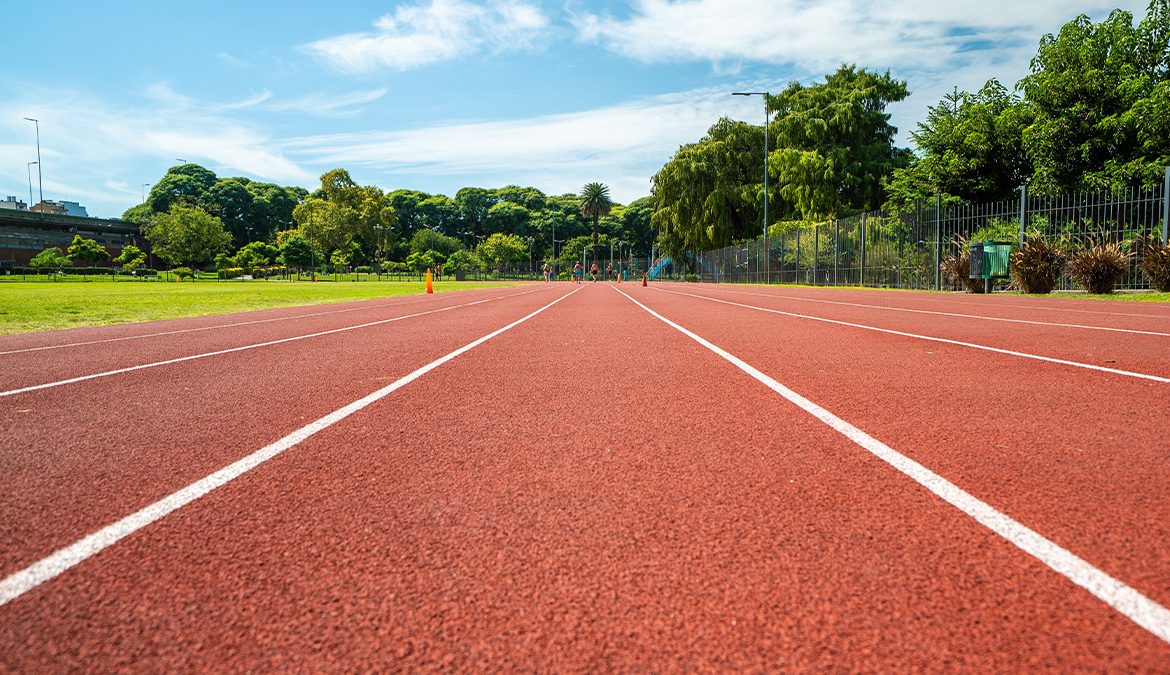
No running track lasts forever. Even well-maintained surfaces eventually reach a point where resurfacing, partial renewal, or full removal becomes the most practical option. The machines used at this stage play a major role in controlling cost, timelines, material reuse, and environmental impact.
This guide focuses on the equipment used to remove, renew, and recycle synthetic running track surfaces.
It explains when different levels of removal are required, how milling and grinding machines are used in practice, how material is collected and separated, and how modern track projects increasingly incorporate recycling and sustainability into the workflow.
When Track Removal or Resurfacing Becomes Necessary
Track renewal is on a spectrum. Not every aging surface needs to be fully removed, and not every defect can be solved with a new coating. The right approach depends on surface condition, structural integrity, and performance requirements.
Removal and resurfacing machines are typically used when:
- Surface texture has worn smooth, and traction is reduced
- Structural spray coatings have reached the end of their service life
- Cracking or localized damage affects performance or safety
- Certification or performance standards can no longer be met
- A full system replacement is required due to base failure
In many cases, abrasive resurfacing offers a cost-effective alternative to full removal. By mechanically removing only the top layer, contractors can preserve the track’s original elastic properties while preparing the surface for a new coating system.
Milling Machines: Controlled Surface Removal for Renewal
Removing Just Enough — Not Too Much
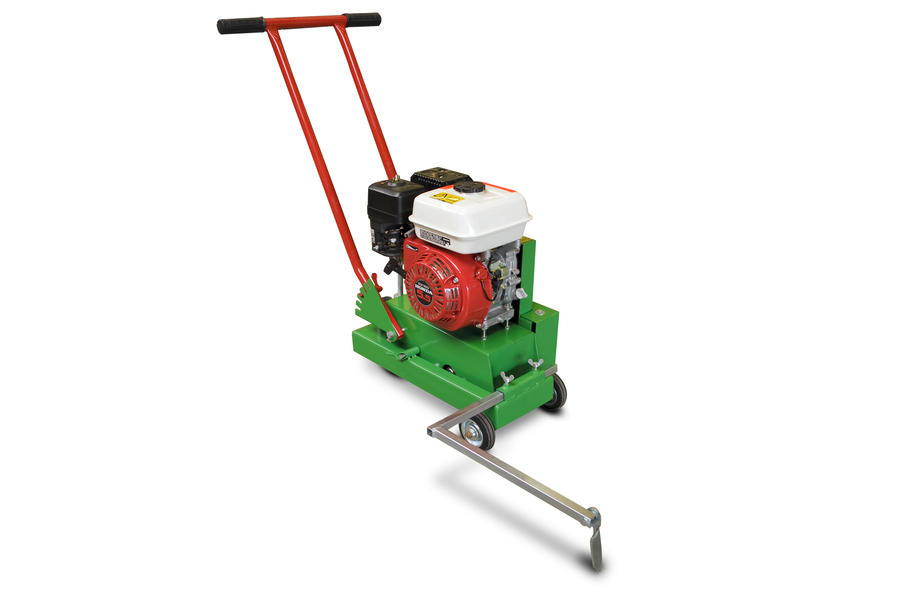
Milling machines are used to mechanically remove surface layers from elastic running tracks in a controlled and uniform way. This approach allows contractors to renovate tracks without disturbing the underlying elastic structure or asphalt base.
These machines are most commonly used during:
- Track resurfacing projects
- Removal of worn spray coatings
- Preparation for new structural layers
Professional milling equipment allows operators to precisely control:
- Removal depth
- Milling width
- Edge accuracy along curbs and drains
For large areas, ride-on milling machines deliver consistent results across wide working paths, making them ideal for full-track renewal. Hand-guided milling units are often used for boundary zones, tight areas, and detailed work where precision matters more than throughput.
From a contractor’s perspective, milling machines reduce:
- Material disposal volumes
- Project cost compared to full removal
- Downtime between removal and recoating
This makes them one of the most valuable tools for extending track lifespan without complete reconstruction.
Grinding Machines: Surface Refinement and Texture Correction
Preparing Tracks for What Comes Next
Grinding machines are used when surface removal requires greater refinement. Rather than cutting through layers, these machines abrade and smooth the surface, making them ideal for correcting texture issues or preparing tracks for recoating.
Grinding equipment is commonly used to:
- Remove thin structural coatings
- Smooth prefabricated or sprayed surfaces
- Correct uneven texture or minor defects
- Prepare surfaces for adhesion
High-capacity grinding machines are used on open-track areas, delivering consistent abrasion across large areas. Compact grinders are used for edge zones, curves, and areas near curbstones where larger machines can’t operate safely.
For contractors, grinding machines provide:
- Greater surface control
- Lower risk of over-removal
- Improved adhesion for new coatings
They are often used in combination with milling equipment, depending on the renewal strategy.
Scarifying and Cutting Machines: Defining Removal Zones
Making Old Surfaces Manageable
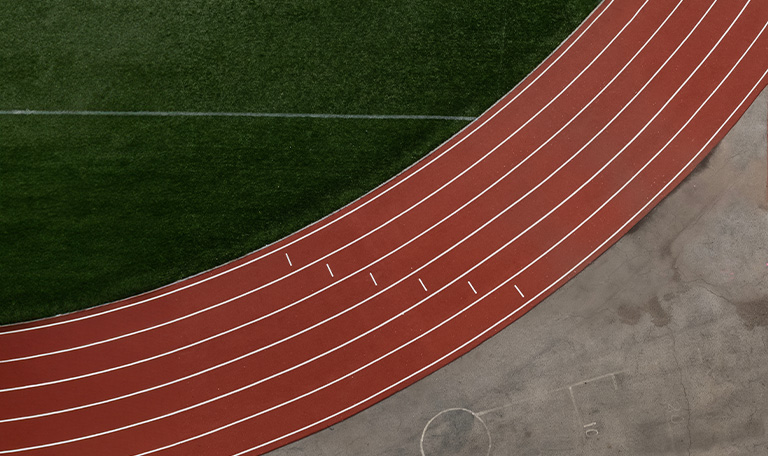
When full removal is required, scarifying and cutting machines are used to segment elastic track layers into manageable sections before peeling or lifting. Without this step, worn surfaces often tear unpredictably, increasing labor and risk of damage to the base.
Cutting machines are used to:
- Divide track surfaces into defined plates or strips
- Control removal depth precisely
- Work cleanly alongside curbs, drains, and edges
- Isolate damaged areas for partial replacement
This approach improves safety, speeds up removal, and makes downstream handling and recycling more efficient.
Material Collection and Separation
Managing What Comes Off the Track
Once material is removed, it must be handled properly. Removal and recycling machines are designed not just to disassemble surfaces, but also to efficiently separate materials for disposal or reuse.
Depending on the project scope, this may involve:
- Collecting milled or ground material
- Separating rubber granulate from binders
- Managing contaminated versus reusable material
- Preparing material for transport or recycling
Machines that support clean separation reduce disposal costs and simplify logistics, especially on large renovation projects.
Recycling and Sustainability in Track Renovation
From Waste to Resource
Sustainability is becoming an increasingly important part of running track projects. Removal and recycling machines enable the reuse or repurposing of materials that would otherwise go to landfill.
Recycling workflows may include:
- Recovering rubber granulate for reuse
- Reducing total waste volume
- Supporting environmental compliance requirements
- Lowering material replacement costs
For contractors, recycling capability can be a competitive advantage. For facility owners, it often aligns with sustainability goals and public funding requirements.
Resurfacing vs Full Removal: Choosing the Right Machine Strategy
The decision between resurfacing and full removal determines which machines are required and how they’re deployed.
Resurfacing projects typically rely on:
- Milling machines for surface layer removal
- Grinding machines for fine preparation
- Spray systems for new coatings
Full removal projects require:
- Cutting and scarifying machines
- Lifting and separation equipment
- Material handling and recycling systems
Contractors who can offer both approaches — and the equipment to support them — provide more value to clients and maintain flexibility across project types.
How Removal & Recycling Machines Fit into Track Construction
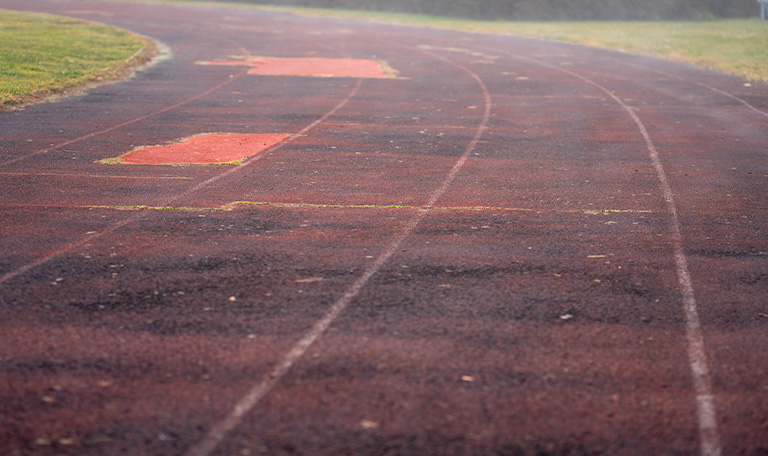
Removal and recycling equipment sits between maintenance and installation in the track lifecycle. These machines bridge the gap between an aging surface and a renewed one.
Within a complete track machinery lineup, they work alongside:
- Maintenance machines used earlier in the surface life
- Base preparation equipment if a deeper reconstruction is needed
- Installation and resurfacing machines for new layers
Contractors who invest in removal capability gain greater control over schedules, costs, and quality during renovation projects.
Running Track Renewal Is a Discipline of Its Own
Running track removal and recycling is not demolition — it’s controlled deconstruction. The machines used at this stage determine whether a project stays efficient, sustainable, and cost-effective.
For contractors specializing in track work, removal and recycling machines enable resurfacing projects, lifecycle services, and higher-value contracts. For facility owners, renewal becomes more predictable and less disruptive.
As tracks age and sustainability expectations rise, these machines are no longer optional add-ons — they are a core part of modern running track construction and renovation.