Pickleball is sweeping across New England. This fun, accessible sport is gaining popularity among people of all ages. From Connecticut to Maine, including Massachusetts, New Hampshire, Rhode Island, and Vermont, residential and community pickleball courts are rapidly emerging. These courts are transforming backyards, parks, and sports facilities across the New England region.
But what does it take to install a pickleball court in New England? This region has unique considerations, from climate to local regulations. This guide will walk you through the process. We’ll cover everything from planning and design to installation and maintenance.
Whether you’re a homeowner, a community planner, or a sports enthusiast, this guide for pickleball court construction in New England will provide you valuable, local insights. Let’s dive into the world of New England pickleball.
You can also try our pickleball court cost calculator, if you are planning to build a court and want to get a quick and accurate cost estimate for your project.
The Rise of Pickleball in New England
Pickleball is on the rise in New England. This sport, a blend of tennis, badminton, and ping-pong, is winning hearts across the region.
From Connecticut to New Hampshire, pickleball clubs are sprouting up. They’re fostering a sense of community and promoting active lifestyles.
Schools and community centers are also embracing the sport. They’re installing pickleball courts to cater to this growing demand.
The trend is clear. Pickleball is not just a passing fad in New England. It’s a sport that’s here to stay.
Understanding Pickleball and Its Appeal
Pickleball is a unique sport. It combines elements of tennis, badminton, and ping-pong into a fun and engaging game.
The rules are simple and easy to learn. This makes it accessible to players of all ages and skill levels.
The court is smaller than a tennis court. This makes the game less physically demanding, but still challenging and exciting.
Pickleball also encourages social interaction. It’s often played in doubles, promoting teamwork and camaraderie.
In short, pickleball offers a perfect blend of fun, fitness, and friendship. It’s no wonder it’s gaining popularity in New England and beyond.

Benefits of a Personal or Community Pickleball Court
Having a pickleball court at home or in your community has many benefits. It provides a convenient space for exercise and recreation.
A home court can be a great addition to your property. It can serve as a focal point for family activities and social gatherings.
For communities, a pickleball court can enhance local amenities. It can attract residents and visitors alike, fostering a sense of community.
Moreover, pickleball courts require less space than many other sports facilities. This makes them a practical choice for both residential and public spaces.
In conclusion, a pickleball court can offer significant value, both personally and for the community.
Climate and its Effect on Pickleball Court Construction in New England
New England’s climate can be a factor when installing a pickleball court. The region experiences four distinct seasons, each with its own considerations.
Winter can be harsh, with heavy snow and freezing temperatures. This can affect the court surface and net system.
Spring and fall bring milder weather, but also rain. Proper drainage is crucial to prevent water damage and ensure safe play.
Summer offers the best conditions for outdoor play. However, high temperatures and sun exposure can affect the court surface and player comfort.
In conclusion, understanding New England’s climate is key to planning and maintaining a pickleball court.

Pickleball Court Construction Considerations by State
Connecticut
Connecticut’s relatively mild climate, unlike other New England states, offers a longer playing season. However, the state experiences significant rainfall, necessitating effective drainage systems to prevent water accumulation. Local regulations may require permits for outdoor courts, particularly in residential areas.
Additionally, Connecticut has a dense tree cover in many areas, which might demand regular maintenance to keep leaves and debris off the court.
Maine
Maine’s cold winters and heavy snowfall require durable court surfaces that can withstand freezing and thawing cycles. Investing in a high-quality surface and proper snow removal equipment is essential.
The rural nature of many areas in Maine means that accessibility to amenities such as fencing and lighting might need more planning. Permitting can also be lengthy, given the state’s stringent environmental protection regulations.
Massachusetts
Massachusetts balances urban and rural environments, which can impact court installation. In urban areas like Boston, space constraints might drive the need for creative design solutions, such as multi-use courts.
On the other hand, the coastal regions need to consider salt exposure, which can corrode court materials. Local ordinances and homeowner association rules can vary widely, so it’s important to consult with local authorities before beginning construction.
New Hampshire
New Hampshire’s varied topography means that site selection is crucial. Flat terrain is ideal, but in hilly areas, land leveling might be necessary, adding to construction costs. Similar to Maine, New Hampshire winters are severe, necessitating robust surfaces and excellent drainage systems to deal with snowmelt.
The state also has a strong tradition of community sports, making public pickleball courts a favored amenity in community planning.
Rhode Island
Rhode Island’s coastal climate means courts must be designed to withstand high humidity and salty air, which can deteriorate court surfaces. Proximity to the ocean should be considered, and using weather-resistant materials is recommended.
The small size of the state also means that space can be at a premium, particularly in densely populated areas. Builders should also be aware of zoning laws and possible restrictions in historic districts.
Vermont
Vermont’s picturesque landscapes and outdoor recreation culture create a favorable environment for pickleball courts. However, the state experiences heavy snowfall and cold winters. Therefore, the choice of surface material should be frost resistant.
Additionally, since Vermont places great emphasis on environmental conservation, gaining the necessary permits might involve detailed environmental impact assessments. Accessibility to utilities like water and electricity might also need to be planned thoroughly in more remote areas.

Choosing a Pickleball Court Company in New England
When it comes to installing a pickleball court, choosing the right builder is key. You want a team that understands the unique needs of New England residents.
Look for builders with experience in pickleball court construction. They should be familiar with the best materials and designs for our climate.
Don’t forget to check their references. Happy customers are a good sign of a job well done.
Also, consider their warranty and service agreements. These can provide peace of mind for your investment.
In the end, the right builder will help you create a court that’s perfect for your needs.
Top Pickleball Court Construction Companies in New England
VersaCourt
VersaCourt specializes in modular, customizable pickleball courts throughout New England, offering solutions for both residential and professional venues. From New Hampshire to Connecticut, VersaCourt’s interlocking tile system provides safe, durable, and easy-to-maintain surfaces that are ideal for the region’s varied climate.
Pickleball Court Systems by VersaCourt
- Superior grip and consistent ball bounce
- Low-maintenance modular tiles
- Customizable designs to fit different settings and environments
- Built for long-lasting durability, handling everything from Maine’s harsh winters to Massachusetts’ busy urban courts
VersaCourt’s Services
- Custom design and installation across New England
- DIY installation support for homeowners and facilities
Certifications & Memberships of VersaCourt
- ISO 9001:2008 certified
Get in Touch
- Learn more and contact VersaCourt in our supplier directory.
Pickleball Court Installation by VersaCourt


California Sports Surfaces
California Sports Surfaces (CSS) is a leader in sports surface innovation, particularly for pickleball courts in New England states like Maine and Massachusetts. CSS offers cutting-edge products like DecoTurf, Plexipave, and Rebound Ace, which are designed to enhance playability and safety for both recreational and professional pickleball use. CSS surfaces are known for their performance, with some featured in high-level tournaments, including the Olympics.
Pickleball Court Systems by California Sports Surfaces
- DecoTurf®: A versatile surface suitable for all play levels
- Plexipave: Provides tournament-grade performance
- Rebound Ace®: Cushioned surfaces that reduce player fatigue
- Premier Sports Coatings®: High-performance coatings ideal for residential and recreational courts
Certifications & Memberships of California Sports Surfaces
- Member of the American Sports Builders Association
Get in Touch
- Learn more and contact California Sports Surfaces in our supplier directory.

ClassicCourt by Tarkett Sports
ClassicCourt, developed by Tarkett Sports, is a high-performance sports surfacing system built on precision-engineered post-tension concrete. Designed for long-term durability and consistent play, ClassicCourt provides a premium option for facilities looking to build pickleball courts that stand the test of time. With warranties of up to 50 years, it is one of the most structurally reliable systems available for schools, parks, clubs, and municipalities.
Pickleball Court Systems by ClassicCourt
- Post-Tension Concrete Base – Engineered to resist cracking, shifting, and surface deterioration far better than traditional asphalt.
- Long-Term Value – Backed by a 50-year structural warranty and 10-year surfacing warranty.
- Consistent Playability – Provides a stable, level surface ideal for pickleball ball bounce and player performance.
- Low Maintenance – Designed to reduce resurfacing needs and extend the lifespan of the court system.
- Professional Installation – Installed by PTI-certified professionals, ensuring quality and precision.
- Certifications & Memberships of California Sports Surfaces
- ASBA member
Why Choose ClassicCourt for Pickleball?
- Backed by Tarkett Sports, a global leader in athletic flooring innovation.
- Member of the American Sports Builders Association
Ecore Athletic
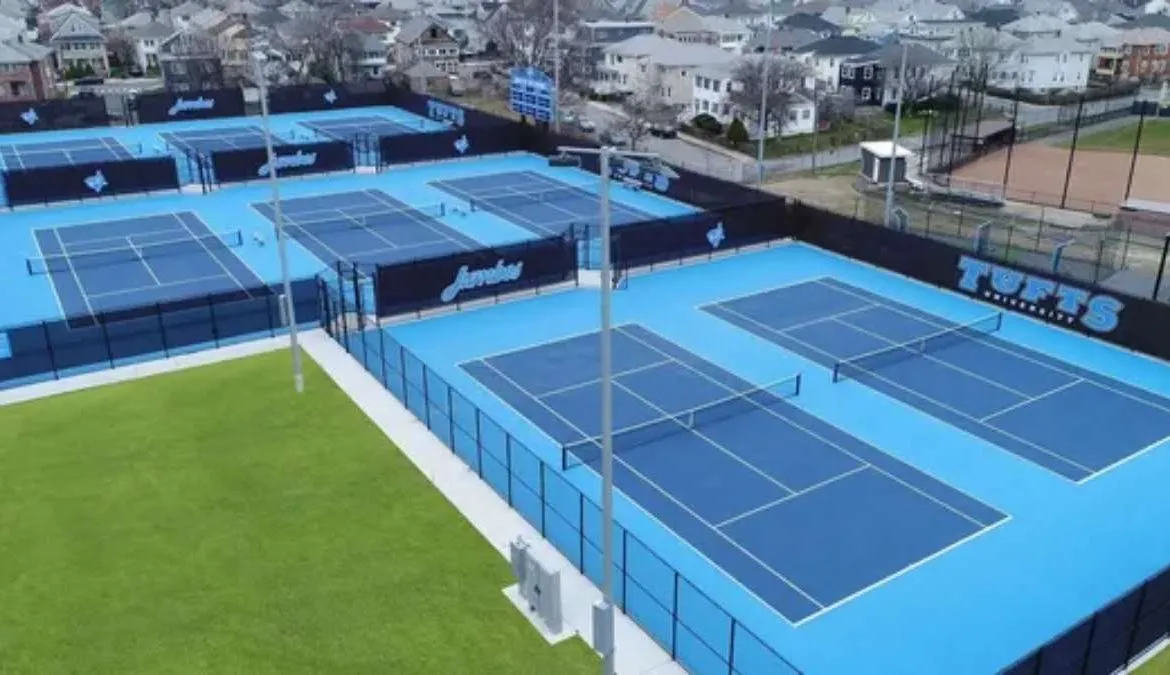
Ecore Athletic is a top provider of pickleball court surfacing solutions throughout New England, serving states such as Massachusetts, Connecticut, Maine, New Hampshire, Vermont, and Rhode Island. Their surfaces are designed for both indoor and outdoor use, focusing on durability, safety, and eco-friendly sustainability. Ecore Athletic uses materials that reduce rubber waste, making their courts a smart and sustainable choice for New England’s varied environments.
Pickleball Court System by Ecore Athletic
The MODcourt Pickle system, offered by Ecore Athletic, includes an 8mm rubber base designed for superior shock absorption and energy return. This enhances playability in a wide range of New England climates, from Vermont’s cold winters to Rhode Island’s coastal humidity.
Ecore Athletic’s Services
- Nationwide design and installation
- Customized court solutions to meet local needs
Certifications & Memberships of Ecore Athletic
- ASBA member
- FloorScore®
- GREENGUARD Gold
- ISO 9001 certified

Planning Your Pickleball Court: Space and Design
Planning is a crucial step in installing a pickleball court. The first consideration is space.
A standard pickleball court measures 20 by 44 feet. You’ll also need additional space around the court for player movement and safety.
Design is another important aspect. The court should be easy to navigate and visually appealing.
Consider the following when planning your court design:
- Court orientation to avoid sun glare and wind interference
- Accessibility for players of all ages and abilities
- Additional amenities like seating and shade structures
In conclusion, careful planning ensures a functional and enjoyable pickleball court.
Selecting the Right Surface and Location
Choosing the right surface for your pickleball court is key. The surface should provide good bounce and be easy on the joints.
Asphalt and concrete are popular choices. They are durable and require minimal maintenance.
Location is another crucial factor. The court should be placed in a flat area with good drainage.
Consider the court’s proximity to buildings and trees. This can affect the amount of sunlight the court receives.
In conclusion, the right surface and location can greatly enhance your pickleball experience.

Tips for Pickleball Court Installation in New England
Installing a pickleball court involves several steps. It’s important to follow each one to ensure a quality court.
First, the area for the court is marked and prepared. This involves leveling the ground and ensuring proper drainage.
Next, the surface material is laid. This could be asphalt, concrete, or another chosen material.
Once the surface is set, it’s time to paint the court lines. These should be clear and bright for easy visibility.
Finally, the net is installed and the court is ready for play.
Here’s a quick rundown of the process:
- Mark and prepare the area
- Lay the surface material
- Paint the court lines
- Install the net
Pickleball Court Construction Costs in New England
In New England, the cost of building and resurfacing pickleball courts varies based on local labor rates and the materials needed to withstand the region’s diverse climate. Constructing a new pickleball court typically ranges from $17,000 to $55,000, with costs influenced by regional labor rates and the materials required to handle New England’s weather, including cold winters and humid summers. Resurfacing an existing court can cost between $3,000 and $10,000, depending on the scope of work and materials chosen.
Costs can vary significantly across the New England states. For example, in Maine or Vermont, where colder winters dominate, materials may be selected to manage snow and freezing conditions, often aligning with the region’s average pricing. In more urban areas like Boston, Massachusetts or Providence, Rhode Island, costs may rise due to higher demand for recreational spaces and the need for more durable materials that can withstand heavy use. States like Connecticut and New Hampshire might see a range of pricing influenced by both suburban and rural demand, while coastal areas in Maine and Rhode Island might face unique challenges like saltwater exposure, affecting material choices and costs.
For a customized estimate on your pickleball court construction or resurfacing project in New England, use our pickleball court cost calculator to receive an instant, personalized quote.

Regulations and Permits for Pickleball Court Construction in New England
Before beginning construction on your pickleball court in New England, it’s crucial to understand the specific regulations and permits required in your location. Each state in the region—Connecticut, Maine, Massachusetts, New Hampshire, Rhode Island, and Vermont—follows building codes primarily based on the International Building Code (IBC), often with state or local amendments. This ensures that any structure, including a pickleball court, is built safely and in compliance with local standards.
Building Codes in New England
The IBC forms the foundation for construction regulations in New England. However, each state or municipality may have additional requirements or amendments to suit their local climate, topography, and safety concerns. For example, areas with heavy snowfall, like Vermont and New Hampshire, may have stricter requirements for foundation stability and drainage. In contrast, coastal regions in Rhode Island and Maine may focus more on corrosion-resistant materials due to exposure to saltwater.
Zoning Laws and HOA Regulations
Zoning laws vary across New England and dictate where a pickleball court can be built and how it should be constructed. These laws may restrict court size, height of fences, and distance from property lines. Additionally, if you live in a planned community or a neighborhood governed by a homeowners’ association (HOA), they may have their own rules, such as restrictions on court placement or noise levels.
ADA Requirements
If your pickleball court is part of a public or commercial facility, you must comply with the Americans with Disabilities Act (ADA). The ADA requires that sports facilities be accessible to individuals with disabilities, which may involve providing ramps, accessible pathways, ADA-compliant restrooms, and seating areas. Ensuring your court meets ADA standards guarantees inclusivity and avoids potential legal issues.
Permits and Legal Considerations
Obtaining the necessary building permits from local authorities is essential before construction begins. These permits ensure your pickleball court is built safely and in compliance with local codes. By thoroughly researching your local zoning guides and securing all necessary approvals, you can avoid potential legal issues and enjoy your court with peace of mind.
For added guidance, partnering with a construction company specializing in pickleball courts can streamline the permit process and ensure compliance with all relevant regulations, helping to make your project a success from start to finish.

Maintaining Your Pickleball Court Through the Seasons
New England’s varied climate requires regular court maintenance. This ensures longevity and optimal playing conditions.
In winter, clear snow promptly to prevent surface damage. During fall, keep the court free of leaves and debris.
Regular cleaning and surface checks are key. This helps identify potential issues early and keeps your court in top shape.
The Value of a Pickleball Court Investment
Installing a pickleball court in New England is a valuable investment. It offers recreational benefits and can enhance property value.
Moreover, it fosters community engagement. It’s a space where people of all ages can connect and enjoy the game.
In conclusion, a pickleball court is more than just a sports facility. It’s a hub for health, happiness, and community in New England.