Home » Padel Courts » Padel Court Design: Key Considerations for Planning Your Sports Facility
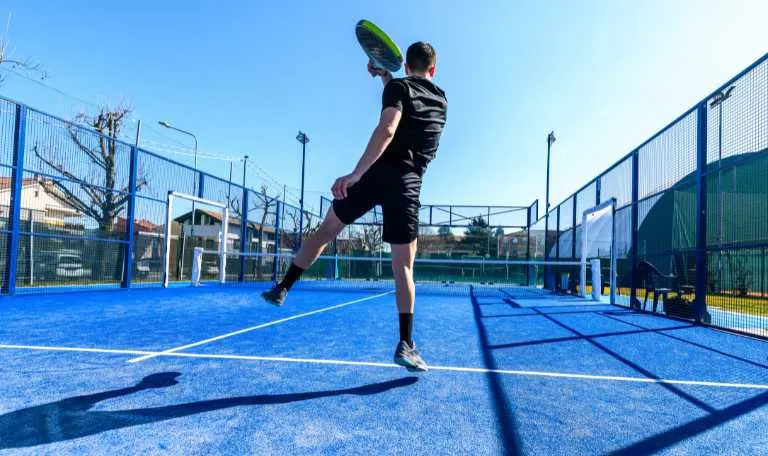
The popularity of padel has grown significantly in recent years, making it an attractive addition to sports facilities seeking to diversify their offerings. As a dynamic sport that combines elements of tennis and squash, padel courts can attract a wide range of players, from beginners to seasoned athletes. However, the success of a new padel court depends heavily on thoughtful design. This article will guide you through the essential aspects of padel court design, focusing on creating a space that is both functional and inclusive.
If you want to get a customized cost estimate for your construction project, try our padel court cost calculator for indoor and outdoor courts.
Understanding the Fundamentals of Padel Court Design
Designing a padel court involves more than just laying out the playing area; it’s about creating an environment that optimizes the playing experience while ensuring durability, safety, and accessibility. Here, we explore the critical components of padel court design, from site selection and surface choice to lighting and accessibility standards.
1. Location and Space Requirements
Choosing the right location is the first step in successful padel court design. The ideal site will meet space requirements, offer easy access, and complement the overall layout of your sports facility.
- Site Selection and Space Planning
A standard padel court measures 20 meters in length and 10 meters in width, but it’s crucial to account for additional space around the court for player movement and safety. Ideally, allow for 2-3 meters of run-off space around the perimeter to ensure player safety. This extra space also provides room for spectator seating or access pathways, making the area more user-friendly. Read more about padel court dimensions in our separate guide. - Indoor vs. Outdoor Padel Court Design
Deciding between an indoor or outdoor court is a key consideration in padel court design. Indoor courts offer a controlled environment, which can extend playing hours and protect the court from weather-related wear and tear. Outdoor courts, on the other hand, benefit from natural lighting but require careful planning to address factors like sun orientation and wind exposure. For outdoor courts, position them to minimize glare during peak sunlight hours, and consider windbreaks to enhance the playing experience. - Site Preparation for Optimal Design
Proper site preparation is essential for creating a stable playing surface. This involves ensuring that the ground is level and properly compacted before installing the court. A well-prepared base prevents future issues like uneven playing surfaces or water pooling, which can lead to damage and increased maintenance costs.
2. Selecting the Right Surface for Padel Court Design
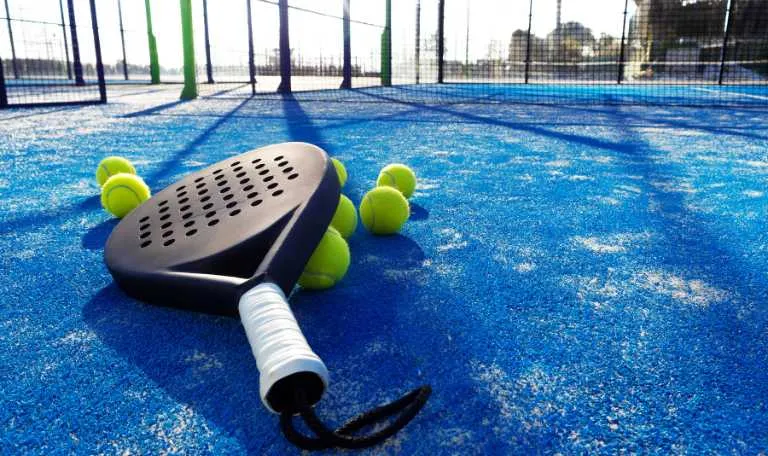
The playing surface of a padel court is a critical element of padel court design, as it directly impacts the game’s speed, player comfort, and maintenance needs.
- Types of Playing Surfaces
Padel courts typically use artificial turf, concrete, or acrylic surfaces. Each option has its benefits, depending on your facility’s needs:- Artificial Turf: Popular for its shock absorption and softer playing feel, artificial turf is ideal for outdoor courts, offering good drainage and reduced risk of injuries.
- Concrete: Known for its durability and low maintenance, concrete is a cost-effective choice, particularly for indoor courts. However, it can be harder on players’ joints over time.
- Acrylic: This surface provides a fast game speed and consistent bounce, making it suitable for competitive environments. It can be used both indoors and outdoors with proper sealing.
- Surface Standards and Safety Considerations
When selecting a surface, it’s important to adhere to safety standards. Surfaces should meet anti-slip criteria to prevent player injuries, especially during wet conditions. Additionally, shock-absorbing properties are vital for reducing the risk of joint injuries, ensuring a safer playing experience. Adhering to the International Padel Federation (IPF) standards for court surfaces can help your facility meet player expectations and attract higher-level competitions. - Maintenance Implications of Surface Choice
Maintenance needs vary based on the surface material. Artificial turf requires regular brushing to maintain its texture and remove debris. Concrete and acrylic surfaces may need periodic cleaning and sealing to prevent surface deterioration. Planning for maintenance in your padel court design ensures that the court remains in top condition and provides a consistent playing experience.
3. Fencing and Glass Walls in Padel Court Design
Fencing and glass walls are distinctive features of padel courts, playing a crucial role in both gameplay and spectator experience.
- Fencing Requirements and Standards
Padel courts are enclosed with fencing that typically ranges from 3 to 4 meters in height, allowing the ball to remain in play during matches. The fencing must be sturdy enough to withstand impact while providing enough transparency for spectators to follow the game. It’s important to use materials like galvanized steel or rust-resistant alloys, especially for outdoor courts, to ensure long-term durability. - Designing with Glass Walls for Better Visibility
High-quality tempered glass walls are used at the ends of the court, offering durability and a clear view of the game for spectators. When integrating glass into your padel court design, focus on seamless installation that maintains structural integrity while enhancing visibility. Tempered glass is essential, as it provides better impact resistance, reducing the risk of breakage during play. - Safety and Durability Considerations
Proper installation of glass walls and fencing is critical for player safety. Ensure that glass panels are securely fixed and that the edges are smooth to prevent injuries. Additionally, for outdoor courts, selecting weather-resistant materials will minimize the need for frequent replacements and repairs.
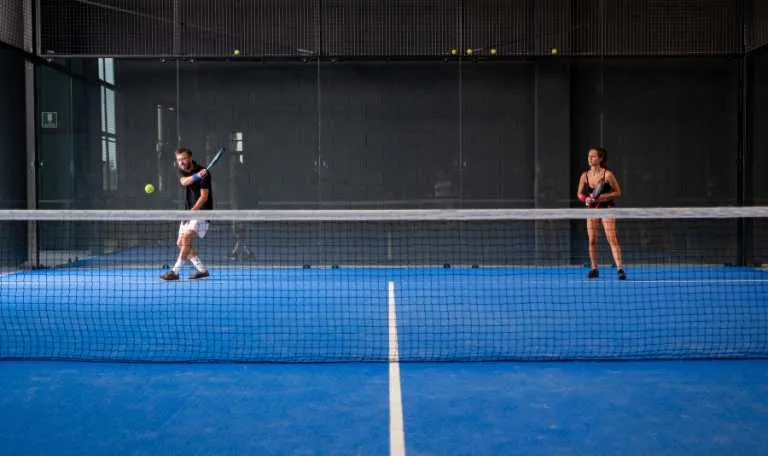
4. Padel Court Design: Lighting and Visibility
Lighting is a crucial element in padel court design, particularly for facilities that want to offer nighttime play or host tournaments.
- Lighting Standards for Padel Courts
Adequate lighting enhances the playing experience and ensures that the court can be used safely in low-light conditions. The IPF recommends lighting levels between 200 to 500 lux, depending on whether the court is used for recreational play or competitions. Even distribution of light across the court prevents shadows and improves visibility for players. Read more about padel court lighting considerations in this article. - LED Lighting Solutions for Padel Court Design
LED lights are the preferred choice for padel courts due to their energy efficiency and long lifespan. When designing the lighting layout, ensure that the lights are positioned to minimize glare and provide uniform illumination. Properly positioned LED lights can enhance the playing experience and reduce operational costs over time. - Eco-Friendly Lighting Options
For facilities focused on sustainability, integrating solar-powered lights or motion-sensor lighting can reduce energy consumption. Although these options may require a higher initial investment, they can significantly lower long-term energy costs and align with environmentally conscious branding.
5. Accessibility in Padel Court Design (ADA Compliance)
Creating an accessible environment is an essential aspect of modern sports facility design. Adhering to ADA (Americans with Disabilities Act) guidelines ensures that your padel court is welcoming to all users.
- Ensuring ADA-Compliant Access
ADA standards require that sports facilities provide accessible pathways and entrances. For padel court design, this means including wide, smooth pathways (at least 36 inches wide) from parking areas or building entrances to the court. Doorways and access gates should be at least 32 inches wide to accommodate wheelchair users. - Accessible Court Layout and Amenities
Incorporating accessible seating areas for spectators, with clear sightlines to the court, ensures that everyone can enjoy the matches. Ramps or smooth transitions between different areas of the facility should be provided to make it easier for individuals with mobility challenges to navigate the space. - Visual and Tactile Accessibility Features
Using tactile ground surfaces and clear signage helps visually impaired visitors navigate the facility. Braille signs and audio indicators can further enhance accessibility, making the facility welcoming to a broader audience.
Conclusion
A well-designed padel court is a valuable addition to any sports facility, offering opportunities for community engagement and attracting new members. By carefully considering location, surface options, fencing, lighting, and accessibility, you can create a padel court that delivers a superior playing experience while meeting industry standards. Thoughtful padel court design not only enhances player satisfaction but also ensures long-term durability and compliance, making your facility a standout destination for padel enthusiasts. Whether you’re building a single court or a complex with multiple courts, following these guidelines will help you create a space that meets the needs of all players and spectators.
Investing in the right design elements can transform your padel court into a popular feature of your facility, driving both engagement and revenue. Consult with experienced contractors and design experts to ensure that your padel court design aligns with your vision and industry standards, delivering a space that stands the test of time.