Home » LED Sports Lighting » LED Sports Lighting Design Guide for Project Planners
When planning an LED sports lighting project, whether for schools, municipalities, sports clubs, or commercial facilities, it’s essential to consider various factors that will impact both the effectiveness and efficiency of the lighting system. Proper LED sports lighting design enhances the experience for players and spectators, ensures safety, and contributes to the long-term success of the facility.
This comprehensive guide outlines the key considerations that project planners should keep in mind to achieve the best possible outcomes. If you are currently planning a sports lighting project, get a tailored cost estimate by using our sports lighting cost calculator!
Try our LED sports lighting cost calculator to get a tailored cost estimate for your lighting installation or retrofit project in a matter of minutes!
Understanding LED Sports Lighting Technology
LED (Light Emitting Diode) technology has become the preferred choice for sports lighting due to its numerous advantages over traditional lighting systems. Unlike older systems like metal halide or halogen lights, LEDs are highly energy-efficient, have a long lifespan, and provide superior light quality. These attributes make them an ideal solution for sports facilities that require reliable, consistent performance.
LED lights are known for their ability to reach full brightness almost instantly, eliminating the warm-up time needed by older lighting technologies. This is particularly beneficial for sports facilities, where the ability to quickly turn lights on or off can make a significant difference in operational efficiency. Additionally, the long lifespan of LEDs means fewer replacements and reduced maintenance costs, which can contribute to significant savings over time.
Another critical advantage of LED technology is its ability to produce a consistent, bright light that enhances visibility for both players and spectators. This improved light quality is essential for maintaining the integrity of the game, ensuring that athletes can perform at their best and that spectators have a clear view of the action.
Assessing Facility Requirements
The first step in LED sports lighting design is assessing the specific needs of your facility. Different sports and facility types have varying lighting requirements (IES sports lighting standards), and understanding these needs is crucial to designing an effective lighting system.
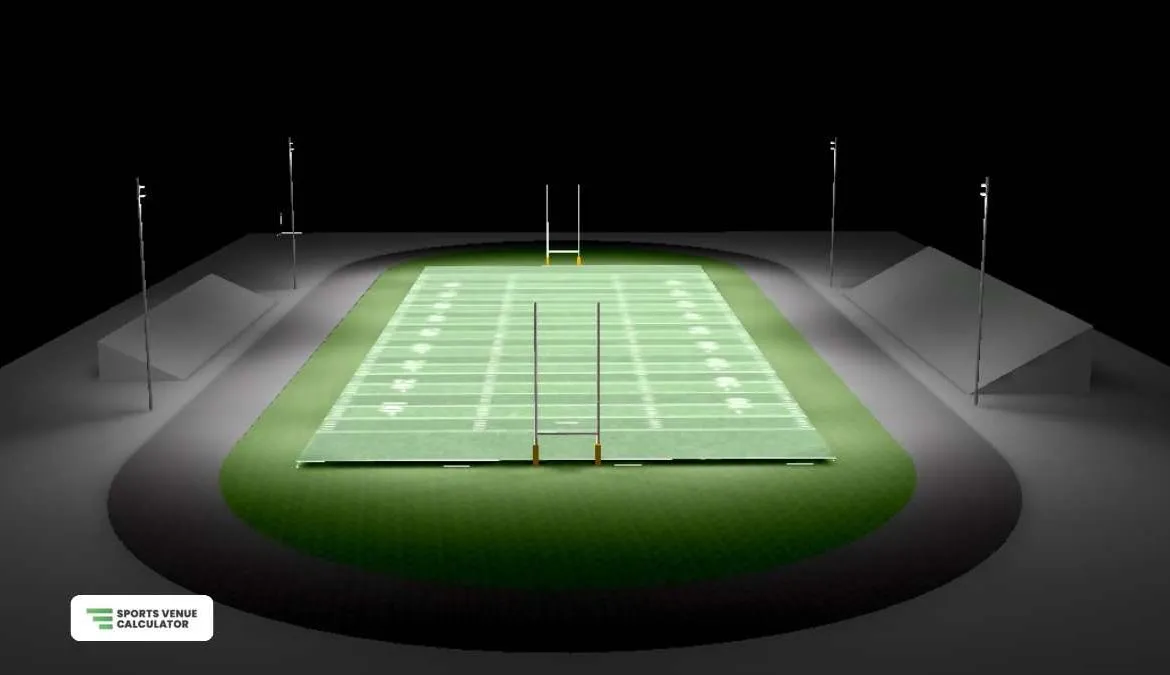
Outdoor Stadiums and Sports Fields: These facilities require high-intensity lighting that provides broad coverage across expansive fields. The lighting must be powerful enough to ensure visibility from all angles, while also accounting for potential obstacles such as goalposts and scoreboards. The design should focus on creating uniform light distribution, minimizing shadows, and ensuring that the entire playing area is well-lit.
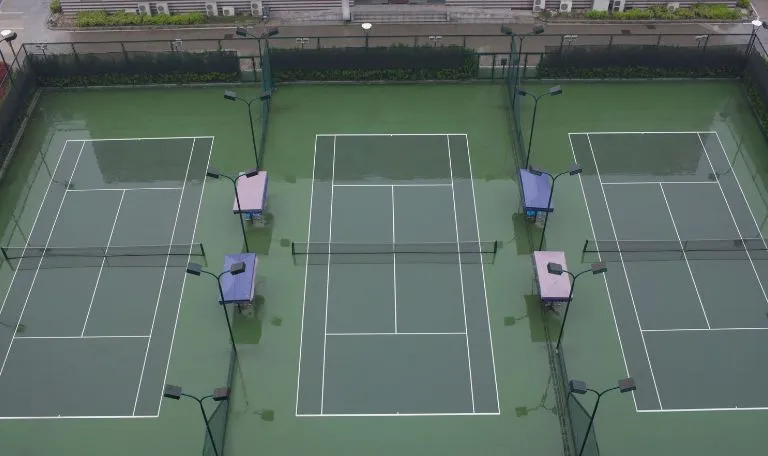
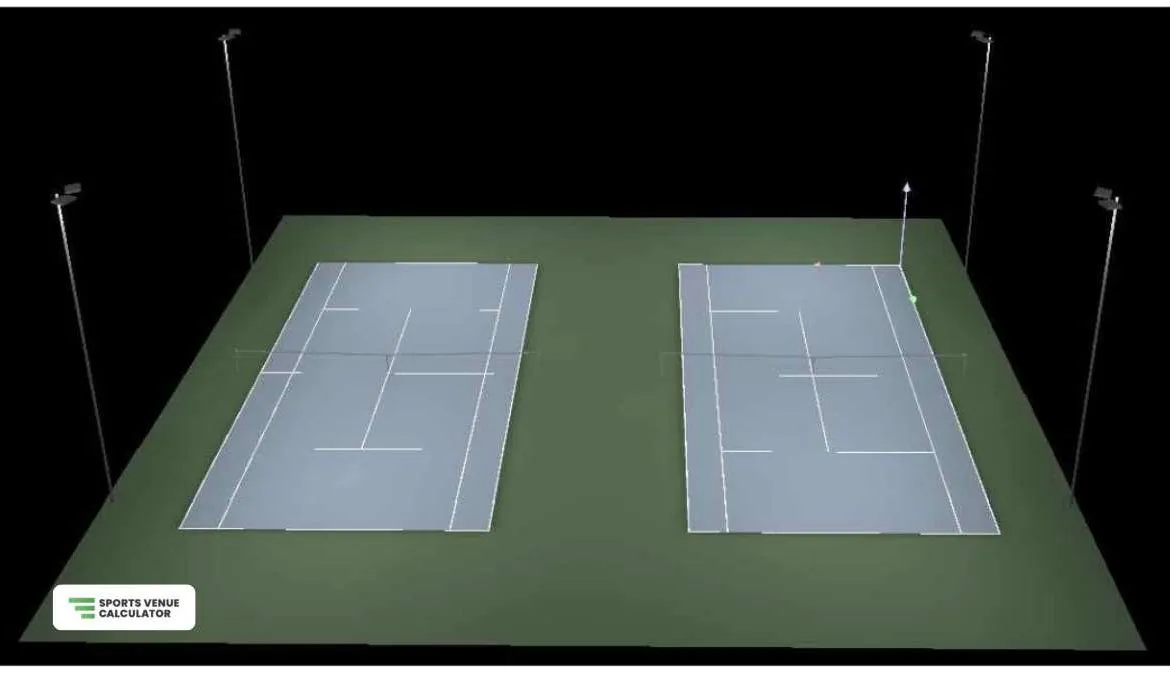
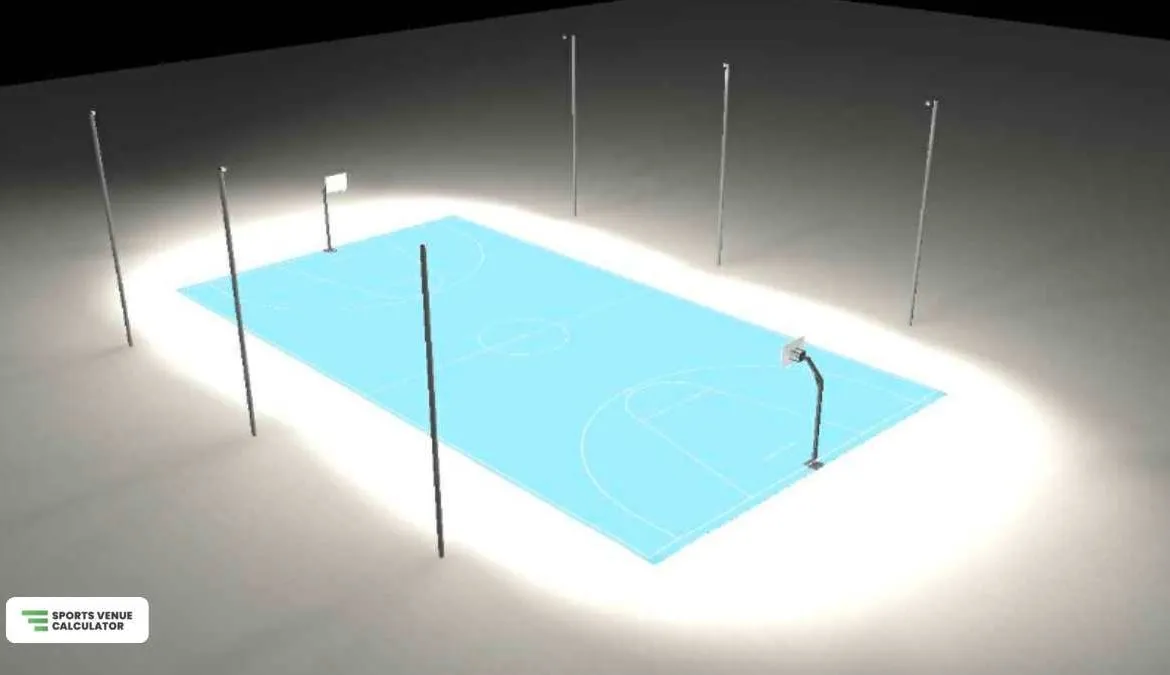
Outdoor Sport Courts (Tennis, Pickleball, Basketball): These courts require more focused lighting with narrower beam angles to ensure that the playing area is adequately illuminated without light spillage into surrounding spaces. The design should consider the specific needs of the sport, such as the speed of play and the size of the ball, to ensure that players have the best possible visibility.
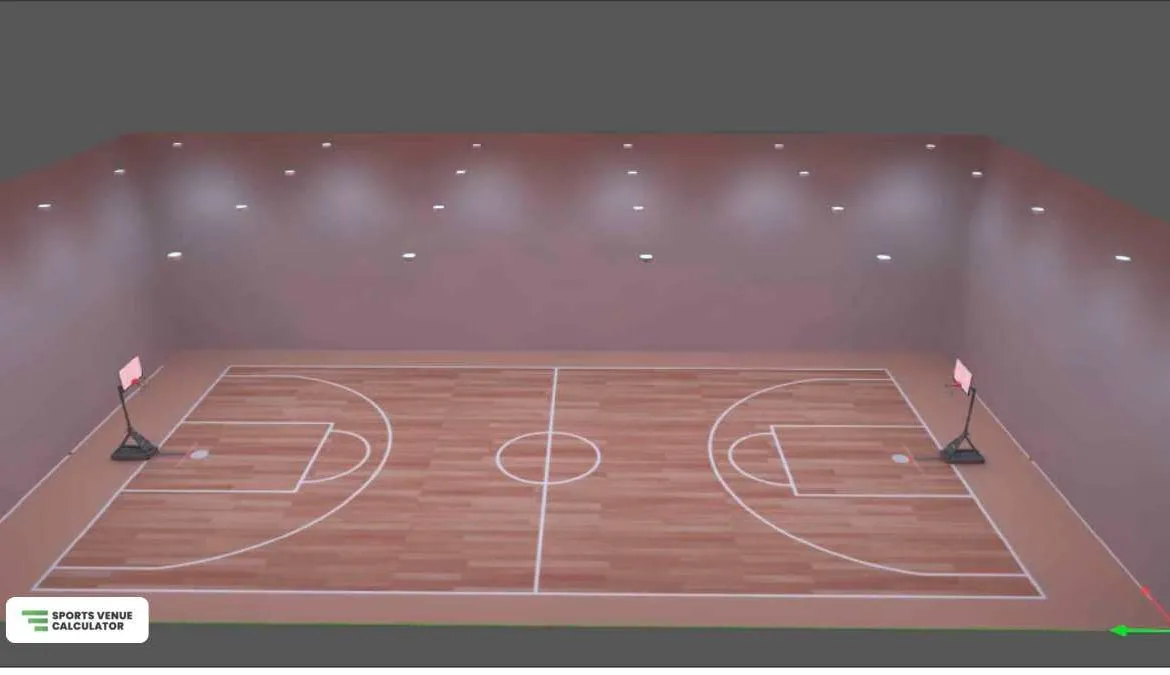
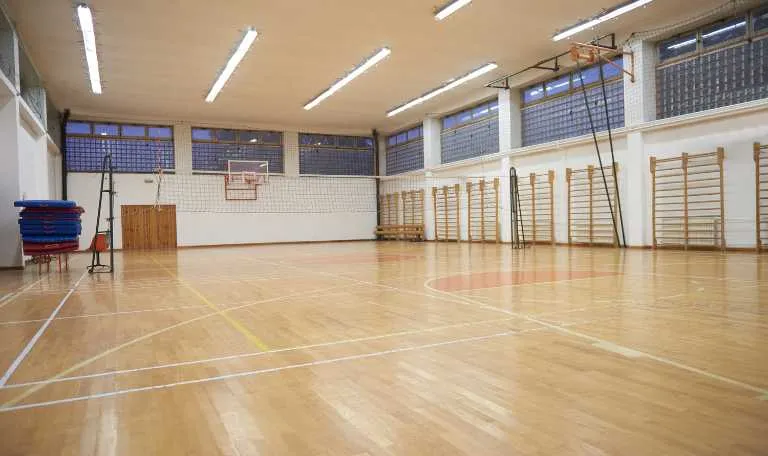
Indoor Sports Facilities (Gymnasiums, Indoor Courts): Indoor venues present unique challenges, as they require consistent, even lighting to reduce shadows and enhance visibility. The design should focus on ensuring that the entire playing surface is evenly lit, with no dark spots or areas of excessive brightness. This is particularly important in indoor sports, where the ball or other equipment may be moving at high speeds and players need to react quickly.
Kick Off Your LED Sports Lighting Project
We’ve created a set of tools designed to assist facility managers and project planners in initiating their projects and help connect them with the professionals in the industry.
Key LED Sports Lighting Design Principles
Effective LED sports lighting design hinges on several key principles that ensure the system meets the facility’s needs while providing optimal performance.
- Uniformity and Coverage: One of the most critical aspects of LED sports lighting design is achieving uniform light distribution across the playing area. Uneven lighting can create shadows or overly bright spots that disrupt the game and hinder player performance. The goal is to ensure that the entire playing surface is evenly illuminated, allowing players to see clearly from any position on the field or court.
- Glare Control and Light Spill: Glare can be distracting and even dangerous for players and spectators. Effective lighting design minimizes glare by carefully positioning fixtures and using appropriate lenses or shields. Additionally, controlling light spill—unwanted light that extends beyond the playing area—is crucial, especially in residential or urban areas where light pollution can be a concern. Properly designed lighting systems focus light precisely where it’s needed, reducing the impact on surrounding areas.
- Color Temperature and CRI (Color Rendering Index): The color temperature of the lights affects how the light appears to the human eye. A higher color temperature (cooler light) is typically used in sports lighting as it mimics daylight, improving visibility. The Color Rendering Index (CRI) measures how accurately colors are rendered under the light source; a higher CRI is preferred for sports lighting to ensure that the playing surface and equipment are seen in true colors.
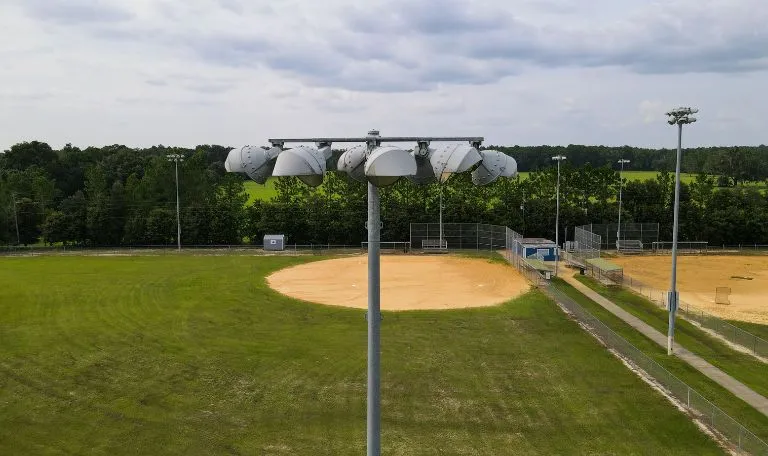
- Pole Height and Placement: The height and placement of lighting poles are critical for achieving optimal light distribution. Taller poles are generally required for larger fields to ensure that the light reaches all areas evenly. For smaller courts, lower poles with more focused beams may be appropriate. Proper pole placement ensures that the entire area is illuminated without creating shadows or glare, contributing to a safer and more enjoyable experience for players and spectators.
- Sports-Specific Lighting Standards: Sports-specific lighting standards, including those set by the IES or the NCAA, ensure optimal visibility and safety. These standards specify lumen levels, uniformity ratios, CRI, and fixture placement, all tailored to meet the unique requirements of each sport and competition level.
Read more: Roundtable Expert Interview: Insights on the Planning & Design of LED Sports Lighting
Importance of a Photometric Study
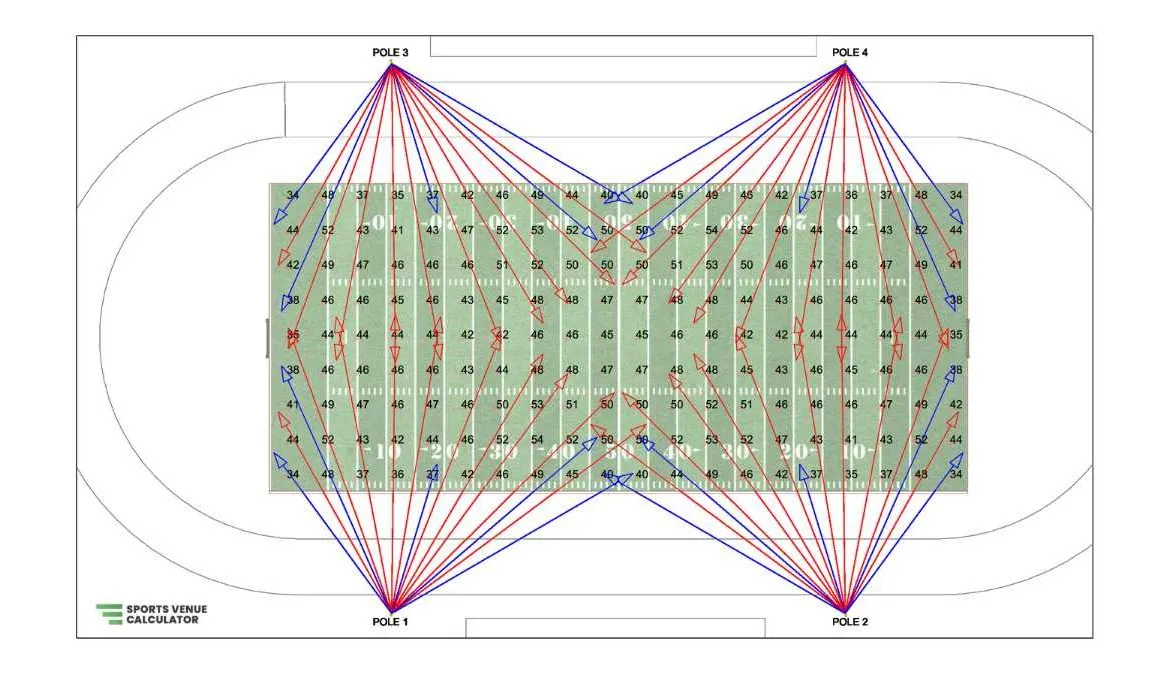
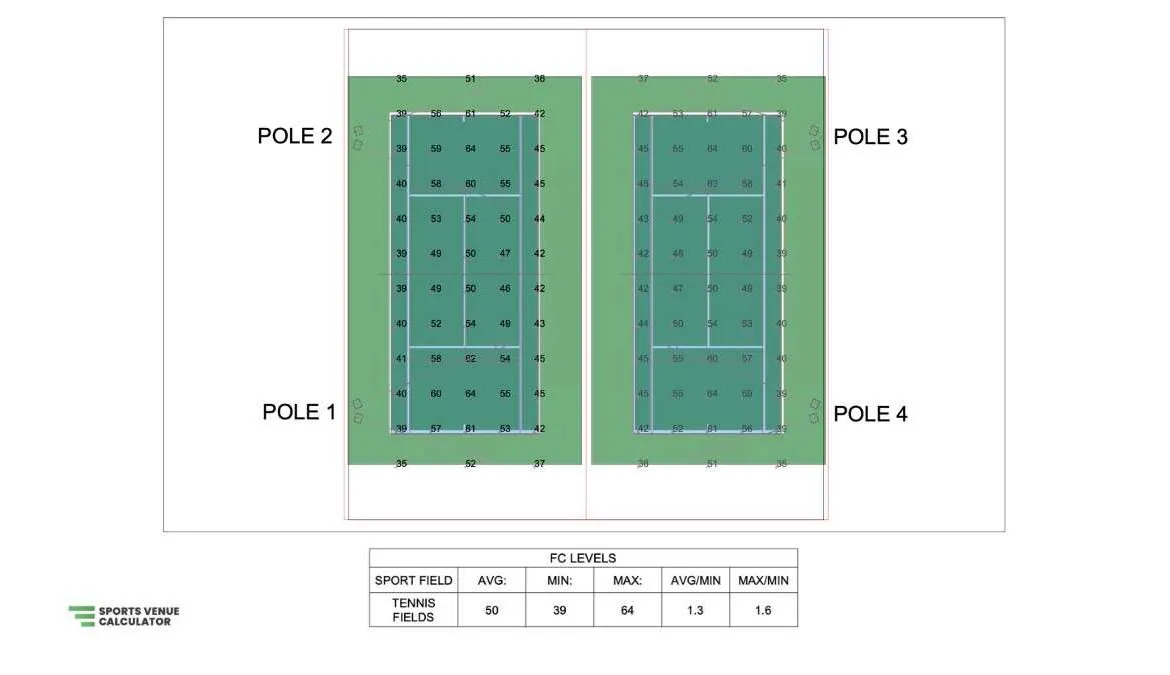
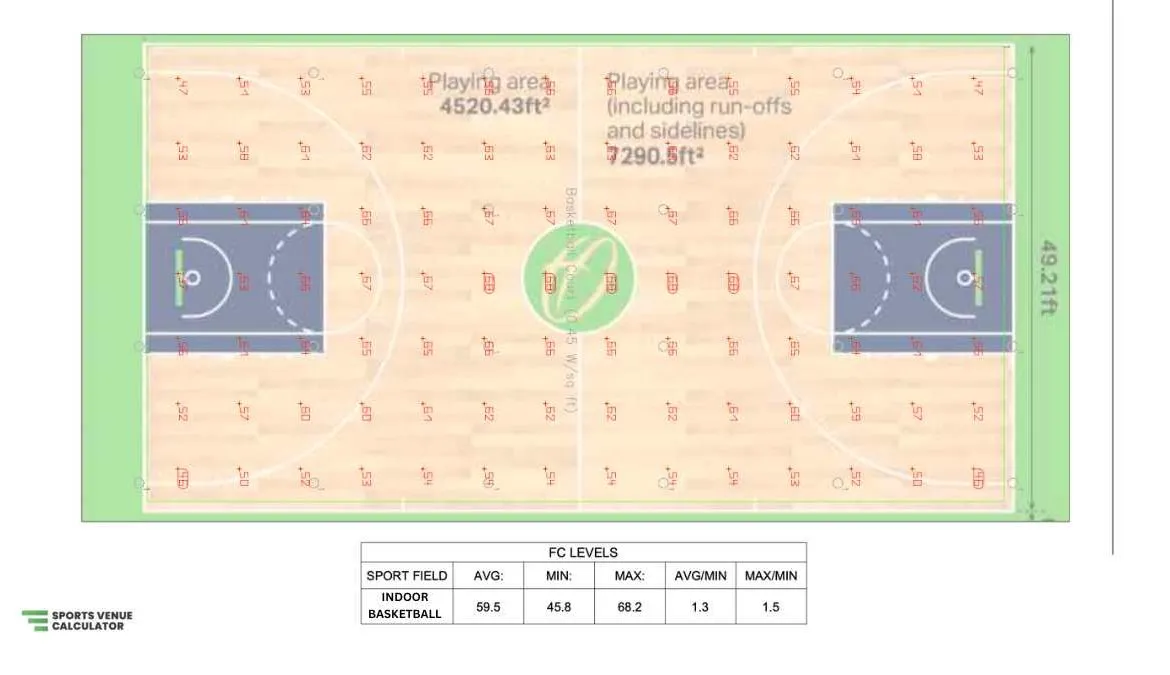
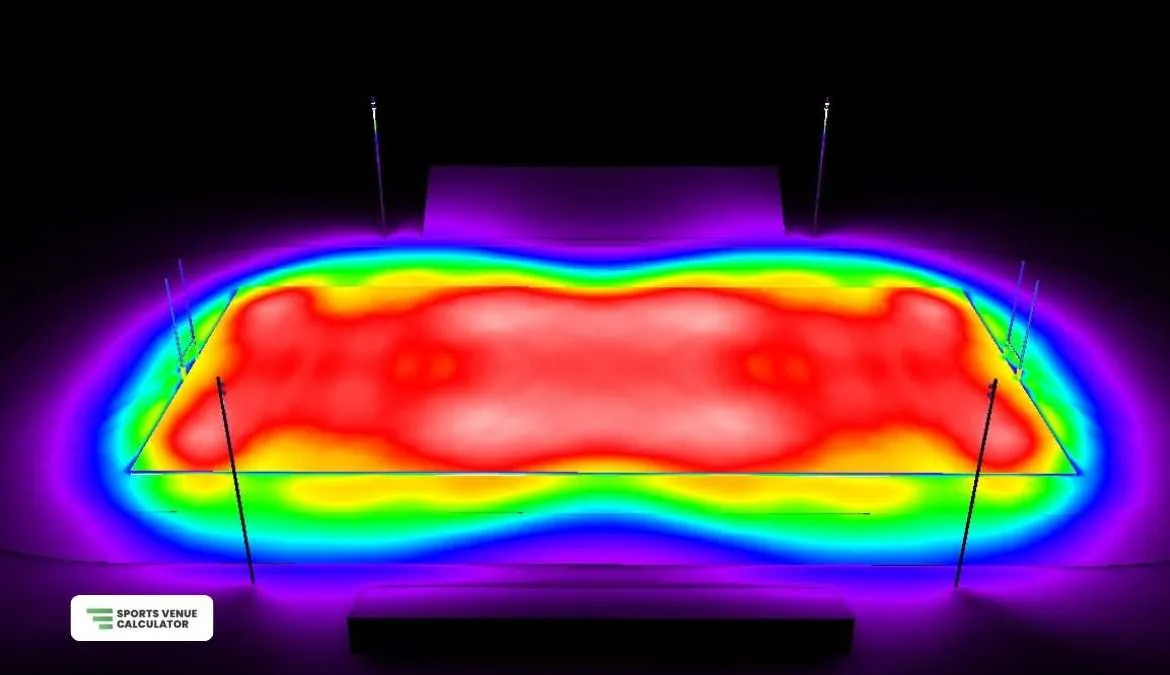
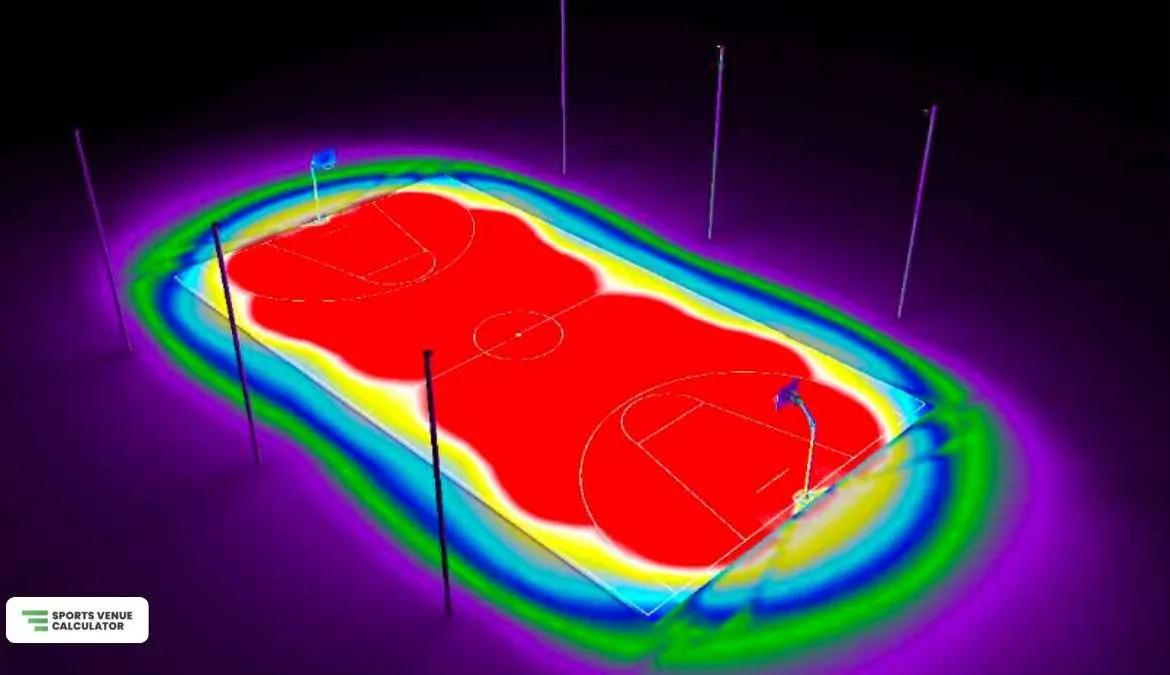
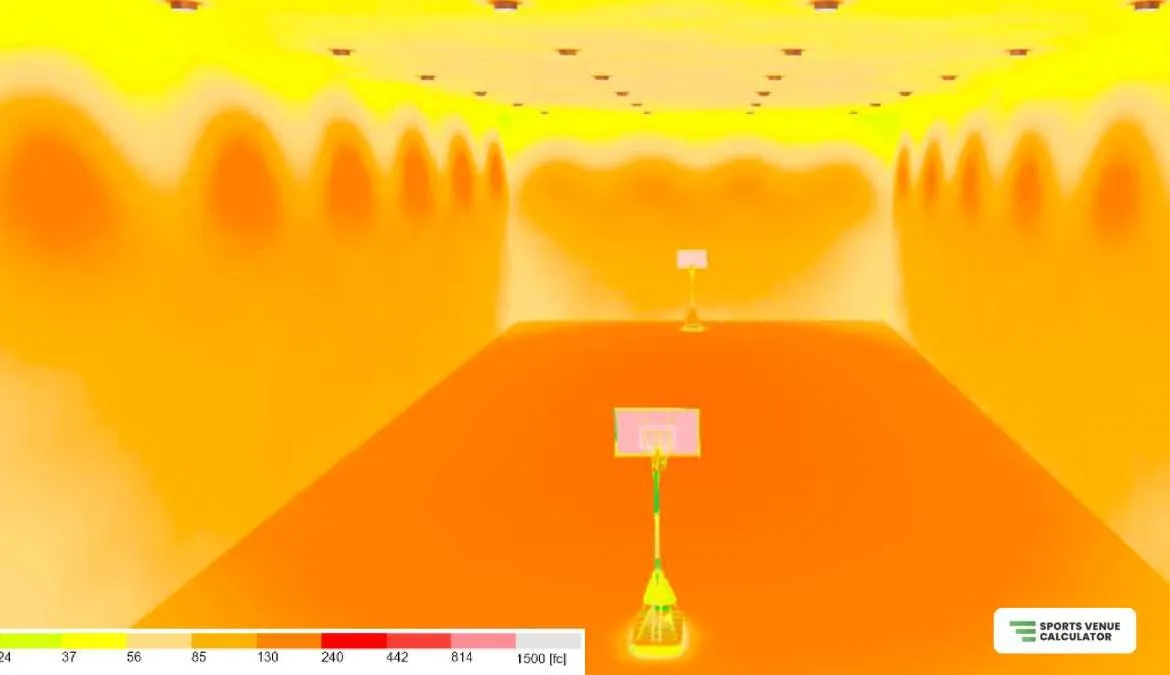
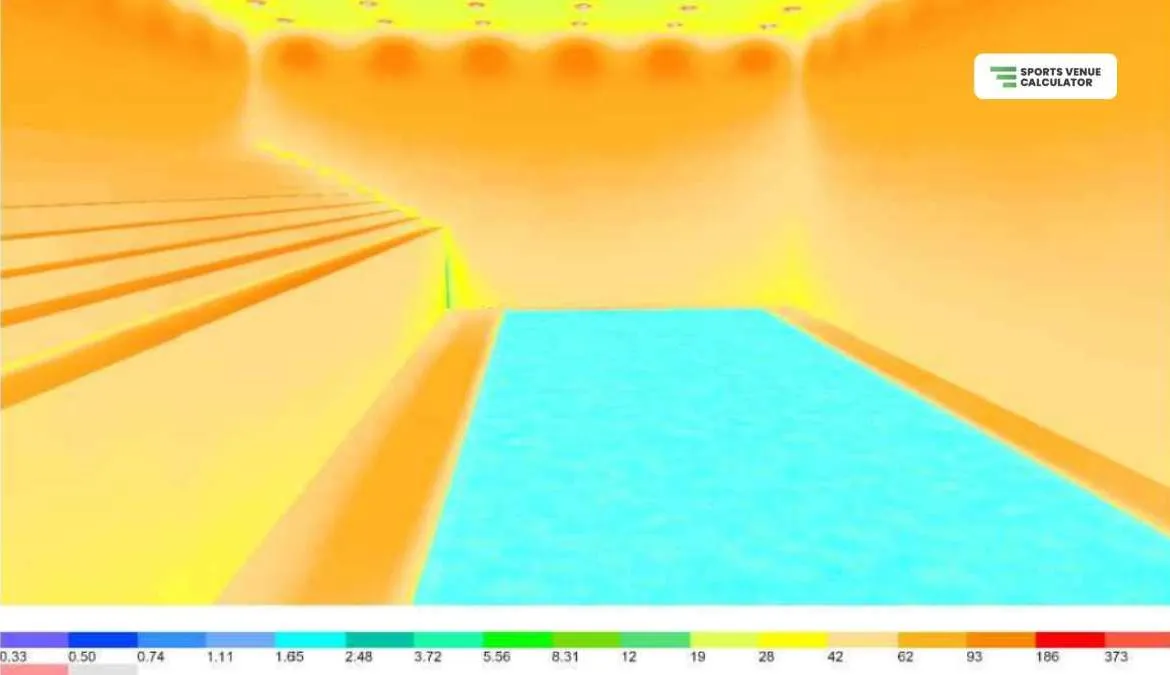
A photometric study is a crucial part of LED sports lighting design. This study uses computer simulations to model how light will be distributed across the playing area. By creating a detailed map of light levels, a photometric study allows planners to visualize potential issues such as shadows, dark spots, or areas of excessive brightness. Conducting this study before installation enables adjustments to be made in the design phase, reducing the risk of costly changes later.
Photometric studies also ensure that the lighting design meets all relevant standards and regulations. Whether it’s achieving the required foot-candle levels for a particular sport or complying with local ordinances on light pollution, a photometric study provides the data needed to make informed decisions. For project planners, this step is essential to delivering a lighting system that meets all performance and regulatory requirements.
Read more: Photometric study – Importance for LED Sports Lighting Projects
If you are currently planning to install sports lighting, request a photometric study for your project today.
Lighting Uniformity and Layout Calculations

3D Renderings of Lighting Configurations
Lighting Heatmaps for Different Sports Facilities
Avoiding Common Mistakes in Sports Lighting Projects
In LED sports lighting design, common mistakes can lead to suboptimal results, increased costs, and unsatisfactory user experiences. Some of the most frequent issues include improper pole placement, inadequate glare control, and underestimating the facility’s lighting needs.
To avoid these pitfalls, project planners should consider hiring a professional sports lighting company and an experienced project manager. These experts bring valuable knowledge and experience, ensuring that the project is executed smoothly, on time, and within budget. They can help navigate the complex process of lighting design, from initial planning through installation and testing, reducing the risk of costly errors.
Professional sports lighting companies are also well-versed in the latest technology and industry standards, ensuring that the lighting system is up-to-date and compliant with all relevant regulations. By working with experts, project planners can avoid common mistakes and deliver a lighting system that meets the facility’s needs and exceeds expectations.
LED Sports Lighting Buyer's Guide
Our comprehensive buyer's guide covers all the essential aspects including budgeting, design, funding, and installation considerations, simplifying your decision-making process.
Get the Free Guide
Partnering with Experts in LED Sports Lighting Design
Choosing the right partner for your LED sports lighting design and installation is critical to the success of your project. Experienced professionals can guide you through every step, from initial design and photometric studies to installation and final testing. They can also provide valuable insights into the latest trends and technologies, helping you choose the best solution for your facility.
When selecting a partner, it’s essential to review case studies and references from past projects. These examples can provide confidence that the chosen partner has the experience and expertise needed to deliver a successful lighting installation. Additionally, working with a company that offers comprehensive services—from design through maintenance—ensures that your lighting system remains in top condition for years to come.
Pro Tip: Use our Lighting Partner Finder to compare and find the ideal lighting company for your project.
Costs and Funding Opportunities
When planning an LED sports lighting project, it’s important to consider both the upfront costs and the long-term savings. While LED systems typically require a higher initial investment compared to traditional lighting, they offer significant savings over time through reduced energy consumption and lower maintenance costs.
Use our sports lighting cost calculator to get a tailored cost estimate for your project.
To offset the initial costs, project planners can explore various funding opportunities. Government grants, energy efficiency subsidies, and private funding options are often available to support the installation of energy-efficient lighting systems.
Check out the sports lighting grants and funding guide that discusses grants and funding opportunities for sports lighting projects in the United States.
Kick Off Your LED Sports Lighting Project
We’ve created a set of tools designed to assist facility managers and project planners in initiating their projects and help connect them with the professionals in the industry.
Conclusion
Effective LED sports lighting design is essential for creating a well-lit, safe, and enjoyable environment for sports facilities. By understanding the key principles, avoiding common pitfalls, and partnering with experienced professionals, project planners can ensure their lighting systems meet all requirements and deliver long-lasting performance. Investing in quality design upfront will lead to long-term savings and a better experience for everyone who uses the facility.