Imagine a high-stakes basketball game where the winning shot is taken—only for the ball to collide with a fragile overhead light, shattering glass onto the court and halting play. This scenario is more common than facility managers realize and highlights the importance of choosing the right sports lighting.
Sports facilities require durable, high-performance lighting to ensure player safety, maintain game integrity, and reduce long-term maintenance costs. Impact-resistant sports lighting fixtures are specifically designed to withstand direct hits from balls, equipment, and other environmental stressors. Unlike standard lights, which can easily break or malfunction upon impact, these fixtures provide uninterrupted illumination, ensuring that games and training sessions continue safely and efficiently.
This guide’ll explore the importance of impact-resistant lighting, its key features, and how to choose the best fixtures for your facility.
Use our sports lighting cost calculator to quickly and easily get a tailored cost estimate for your project.
What Are Impact-Resistant Sports Lighting Fixtures?
Impact-resistant sports lighting fixtures are specially engineered to endure physical impacts without losing performance or structural integrity. Unlike standard lighting, which may shatter or malfunction when struck, these fixtures use reinforced materials such as polycarbonate lenses, tempered glass, and shock-absorbing housing to enhance durability. This ensures that lights continue to function reliably, even in fast-paced sports environments where accidental impacts are inevitable.
Why Impact Resistance Matters in Sports Facilities
Choosing impact-resistant lighting fixtures provides several key benefits for sports facilities. Protection against damage is a major advantage, as balls, equipment, and even accidental collisions with fixtures can compromise standard lighting systems, leading to frequent replacements and costly repairs.
Another factor is enhanced safety, as shattered glass and broken lighting can create hazardous conditions for players and spectators. Impact-resistant fixtures reduce the risk of injuries while ensuring uninterrupted illumination. Additionally, investing in durable lighting reduces long-term maintenance expenses by minimizing the need for frequent replacements.
Key Features of Impact-Resistant Lighting
Impact-resistant fixtures incorporate several advanced technologies to enhance their durability:
- Reinforced Housing Materials – Many fixtures use polycarbonate or tempered glass lenses that resist shattering and cracking upon impact.
- Shock-Absorbing Design – Internal dampening mechanisms reduce the stress from sudden impacts, preventing internal damage.
- High-Performance LED Efficiency – These fixtures provide bright, energy-efficient illumination with minimal flickering or degradation over time.
- Protective Enclosures – Some fixtures come with wire guards or metal casings for additional protection in high-risk areas.
Applications: Where to Use Impact-Resistant Lighting Fixtures
Impact-resistant lighting is beneficial for a variety of indoor and outdoor sports environments.
Indoor Facilities
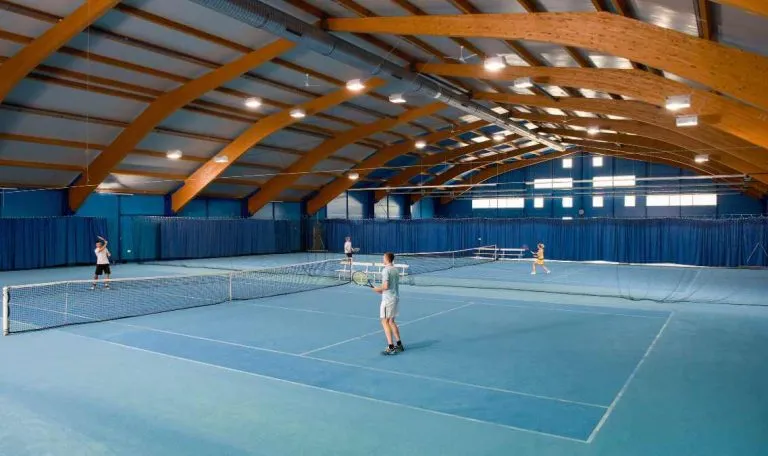
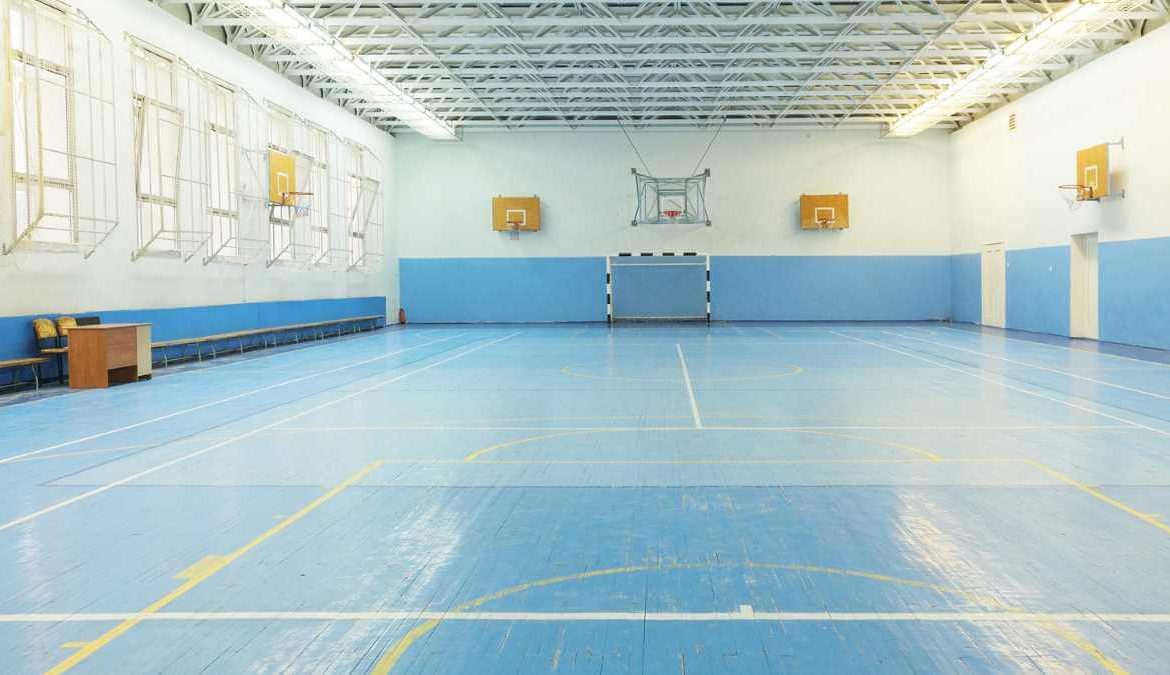
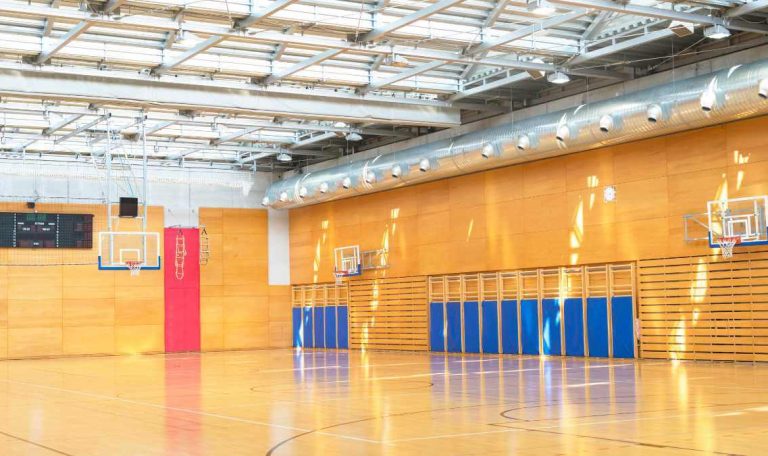
Impact-resistant lighting benefits gymnasiums and basketball courts, volleyball and tennis courts, multi-sport arenas, and school and community recreation centers, ensuring long-term reliability and safety.
Learn more about different types of lighting fixtures for gymnasiums in our separate guide.
Outdoor Facilities
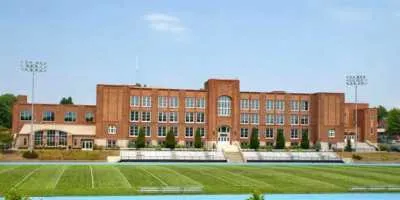
Stadiums, sports fields, tennis and pickleball courts, recreational parks, and training facilities also require durable lighting to withstand environmental factors and physical impacts.

How to Identify an Impact-Resistant Light Fixture Before Purchasing
To ensure you’re selecting the right impact-resistant lighting for your facility, consider the following:
- Check Impact Resistance Ratings – Look for an IK rating (typically IK08 or IK10) to verify the fixture’s ability to withstand mechanical impact.
- Review Material Specifications – Ensure the fixture features durable components such as polycarbonate lenses, tempered glass, or reinforced housings.
- Look for Manufacturer Certifications—To guarantee quality and safety, Seek compliance with industry standards like NEMA, IEC, or ASTM.
- Ask About Ball-Impact Testing – Some fixtures undergo specialized tests to confirm their resilience in gymnasiums and sports fields.
- Read Reviews and Case Studies – Research how the fixtures perform in real-world sports facilities to make an informed decision.
Choosing the Right Lighting Supplier for Your Facility
Selecting the right supplier for impact-resistant sports lighting is just as important as choosing the fixtures. A reliable supplier ensures you get high-quality, certified lighting solutions that meet your facility’s specific needs while providing support throughout the purchasing and installation process.
When evaluating suppliers, consider their reputation in the industry and experience in providing lighting solutions for sports facilities. Look for manufacturers and distributors with proven track records, positive customer reviews, and a history of delivering durable products. Ensure that the supplier offers impact-resistant fixtures that meet key safety and performance standards, including IK ratings (IK08 or IK10), NEMA, IEC, or ASTM certifications. Additionally, consider suppliers that provide ongoing maintenance support, ensuring long-term performance and efficiency.
Price transparency and financing options are also important. Look for suppliers who provide clear pricing structures without hidden fees. Always request and compare quotes from at least three companies.
Use our cost calculator to get a customized cost estimate for your project today.
Cost of Impact-Resistant Sports Lighting Fixtures
The initial investment in impact-resistant sports lighting can vary based on fixture type, wattage, and material quality. While these fixtures may cost more upfront than standard lighting, their durability and reduced maintenance needs lead to long-term savings. Key cost factors include:
- Fixture Type & Design – Advanced shock-absorbing technology and reinforced materials increase costs.
- LED Efficiency – Higher-efficiency LEDs may have a higher initial cost but lower operational expenses.
- Installation Expenses – Costs depend on facility size, mounting requirements, and labor.
- Warranty & Longevity – Investing in fixtures with longer warranties can reduce future costs.
Try our sports lighting cost calculator for a tailored estimate for your facility.
Funding Tips for Sports Lighting Upgrades
For facilities looking to upgrade to impact-resistant lighting, several funding options can help offset costs:
- Grants & Government Programs – Many local and federal programs offer funding for energy-efficient lighting upgrades.
- Sponsorship & Partnerships – Partnering with local businesses or sports organizations can help cover costs.
- Utility Rebates – Some energy providers offer rebates for switching to LED impact-resistant lighting.
- Budget Planning & Phased Implementation – Upgrading in stages can spread costs over time without disrupting operations.
Check out our sports facility grants & funding database for relevant funding opportunities.
Conclusion
Investing in impact-resistant sports lighting is a smart decision for facility managers aiming to enhance safety, reduce maintenance costs, and ensure long-term performance. These fixtures prevent damage and costly replacements and improve the overall experience for athletes and spectators by providing consistent, high-quality illumination.
Beyond financial savings, impact-resistant lighting contributes to sustainability by lowering energy consumption and reducing material waste. With the right supplier and strategic planning, facility managers can future-proof their venues, ensuring uninterrupted performance for years to come. Investing in impact-resistant sports lighting is crucial for facility managers looking to enhance safety, reduce maintenance costs, and maintain high-quality illumination. By understanding the key features and selection criteria, you can choose fixtures that will stand the test of time, providing reliable lighting for athletes and spectators alike.