

Edited By
Antti Rydman

Verified By
Karianne Jaeger
Home » Padel Courts » Padel Court Construction Cost Guide for Project Owners (2026)
Edited By
Antti Rydman
Verified By
Karianne Jaeger
Are you obsessed with the newest sports craze, padel? Sometimes referred to as padel tennis, this sport is an exciting combination of tennis and squash. But as a relatively recent phenomenon here in the United States, there aren’t many courts designed specifically for the sport.
However, playing padel on a professionally designed court can be a thrilling experience for players and spectators. But before starting construction, you must understand the costs and design choices involved in constructing your padel court.
This guide will cover everything from construction costs to surface materials and court layout.
How much does it cost to build a padel court in the USA in 2026?
Final costs can vary based on factors such as material quality, level of play (recreational vs. competition), site conditions, and geographic location, all of which influence construction complexity and pricing.
If you want to get a customized cost estimate for your construction project, try our padel court cost calculator for indoor and outdoor courts.
Prefer to watch instead of read?
Our full video on padel court costs, installation, hidden fees, ROI, suppliers, and funding—everything you need before starting your project.
Padel Court Construction Cost Ranges by Region
Padel court construction costs can differ widely across the United States, even for projects with similar designs. Variations in labor costs, site preparation, climate conditions, and local construction practices all influence how pricing develops in each location.
The estimates below are based on real padel court projects from our internal database, where we analyze hundreds of sports facility projects across the U.S. each month, combined with state and city-level construction cost benchmarks. This allows us to reflect how costs behave in actual local markets – not just broad national averages.
Explore estimated padel court construction costs by city or state to understand how location impacts your project budget. Each local guide highlights the key factors that drive pricing in that specific market.
If you’re planning a padel court project, use our cost calculator to get a tailored estimate based on real project data – it only takes a few minutes.
Padel Court Instalation Cost Ranges per City
| City | State | Cost Range |
|---|---|---|
| Atlanta | GA | $37,387 – $95,603 |
| Austin | TX | $38,852 – $99,348 |
| Boston | MA | $45,423 – $116,152 |
| Charlotte | NC | $37,312 – $95,412 |
| Chicago | IL | $46,919 – $119,976 |
| Columbus | OH | $42,705 – $109,202 |
| Dallas / Fort Worth | TX | $38,650 – $98,833 |
| Denver | CO | $39,826 – $101,838 |
| Des Moines | IA | $39,613 – $101,295 |
| Houston | TX | $38,622 – $98,759 |
| Indianapolis | IN | $39,738 – $101,615 |
| Jacksonville | FL | $37,000 – $94,612 |
| Los Angeles | CA | $43,381 – $110,930 |
| Miami | FL | $37,212 – $95,156 |
| Minneapolis | MN | $45,064 – $115,233 |
| New York City | NY | $44,934 – $114,902 |
| Oklahoma City | OK | $37,112 – $94,900 |
| Orlando | FL | $36,837 – $94,197 |
| Philadelphia | PA | $41,929 – $107,217 |
| Phoenix | AZ | $38,963 – $99,632 |
| San Antonio | TX | $38,305 – $97,950 |
| San Diego | CA | $42,892 – $109,680 |
| San Francisco | CA | $45,970 – $117,549 |
| San Jose | CA | $45,941 – $117,476 |
| Seattle | WA | $45,567 – $116,520 |
| Tampa | FL | $36,975 – $94,548 |
| Washington DC | DC | $41,368 – $105,783 |
Padel Court Instalation Cost Ranges per State
| State | Cost Range |
|---|---|
| Alabama | $36,612 – $93,621 |
| Alaska | $44,834 – $114,644 |
| Arizona | $38,750 – $99,089 |
| Arkansas | $36,200 – $92,566 |
| California | $43,885 – $112,217 |
| Colorado | $39,426 – $100,815 |
| Connecticut | $43,870 – $112,181 |
| Delaware | $40,908 – $104,606 |
| District of Columbia | $43,511 – $111,261 |
| Florida | $36,937 – $94,452 |
| Georgia | $37,025 – $94,676 |
| Hawaii | $46,487 – $118,873 |
| Idaho | $38,363 – $98,097 |
| Illinois | $46,027 – $117,696 |
| Indiana | $39,563 – $101,167 |
| Iowa | $39,063 – $99,888 |
| Kansas | $38,113 – $97,458 |
| Kentucky | $37,738 – $96,499 |
| Louisiana | $37,062 – $94,772 |
| Maine | $41,138 – $105,194 |
| Maryland | $41,037 – $104,937 |
| Massachusetts | $45,279 – $115,784 |
| Michigan | $41,354 – $105,746 |
| Minnesota | $44,100 – $112,769 |
| Mississippi | $36,400 – $93,077 |
| Missouri | $41,483 – $106,077 |
| Montana | $41,296 – $105,599 |
| Nebraska | $39,571 – $101,186 |
| Nevada | $41,483 – $106,077 |
| New Hampshire | $39,188 – $100,208 |
| New Jersey | $44,316 – $113,320 |
| New Mexico | $38,622 – $98,759 |
| New York | $43,583 – $111,445 |
| North Carolina | $36,950 – $94,484 |
| North Dakota | $39,426 – $100,815 |
| Ohio | $41,584 – $106,334 |
| Oklahoma | $36,787 – $94,069 |
| Oregon | $42,547 – $108,798 |
| Pennsylvania | $41,181 – $105,304 |
| Rhode Island | $41,800 – $106,886 |
| South Carolina | $36,975 – $94,548 |
| South Dakota | $37,100 – $94,868 |
| Tennessee | $38,765 – $99,127 |
| Texas | $38,449 – $98,318 |
| Utah | $38,575 – $98,641 |
| Vermont | $40,994 – $104,826 |
| Virginia | $40,203 – $102,804 |
| Washington | $44,805 – $114,571 |
| West Virginia | $38,675 – $98,897 |
| Wisconsin | $39,938 – $102,126 |
| Wyoming | $39,126 – $100,048 |
Factors Influencing Padel Court Construction Cost
As with any sport, many factors go into the total cost of your padel court construction project. Let’s break each down so you can better prepare for your project.
Competition level
What type of athletes will you be hosting at your facility? If you intend to host professionals and amateurs, consider a more durable surface that can withstand the regular pounding of padel matches.
The needs of professionals will greatly differ from those of young students or casual gamers. Understanding your ideal participant will greatly help you choose the specific design features and materials necessary for your court.
- Size: professional padel courts must meet the standard dimensions of 33 feet – 66 feet (approx. 2,153 sq ft.), recreational courts are not bound by such regulations.
- Flooring: recreational courts may get away with installing an asphalt or a cement court surface, but professional courts need an artificial turf surface.
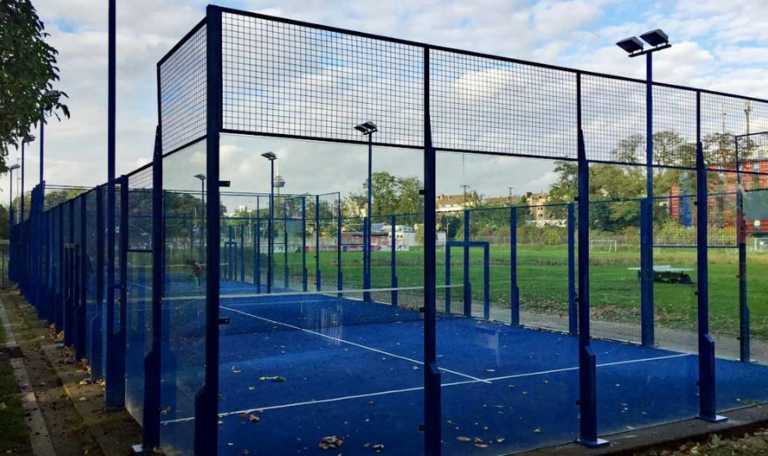
- Walls: Professional padel courts have transparent back and side walls made of glass. Recreational walls may use cheaper alternatives.
- Lighting requirements: professional padel courts must meet lighting requirements and standards, whereas, there are no regulations for recreational courts.
- Amenities: professional courts may come with bleachers, scoreboards, locker rooms, etc.
Number of courts and total area
Will you need more than one court, or will a single playing surface suffice?
With each playing area measuring 20 meters (66 feet) long by 10 meters wide (33 feet), you’ll need to account for the space of multiple courts if that’s your goal. The more courts you need, the greater your total project cost and construction timeline will become.
Additionally, if you plan on spectators, benches, and other amenities, you’ll need to plan for a safe space between each court. Configuring multiple courts and accurately measuring can get complex — fast. Therefore, it’s best to work with a professional court installation company that understands the requirements for padel tennis.
Outdoor or indoor court?
The construction costs for indoor vs. outdoor padel courts vary due to differences in structural requirements, climate considerations, and facility features:
- Structural Requirements: Indoor courts require a building or roof structure, increasing costs. Outdoor courts do not, making them cheaper initially.
- Surface & Subfloor: Outdoor courts need drainage systems for weather protection, adding cost. Indoor courts use simpler subfloors, reducing ongoing maintenance.
- Lighting: Indoor courts require comprehensive lighting systems, raising costs. Outdoor courts benefit from natural light, reducing energy expenses.
- Climate Control: Indoor courts need heating/cooling systems, increasing installation and operational costs. Outdoor courts don’t, but may need windbreaks.
- Maintenance: Indoor courts have lower long-term maintenance due to protection from weather. Outdoor courts face higher maintenance from sun, rain, and temperature changes.
Choice of Subfloor and Court Surface Materials
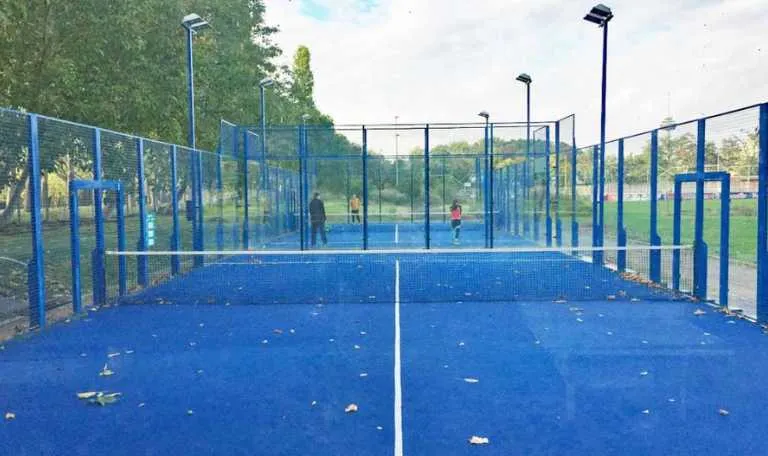
The choice of subfloor and surface materials significantly influences the overall cost of constructing a padel court. These decisions impact not only the initial investment but also the long-term maintenance and durability of the court.
Subfloor Options: Asphalt vs. Concrete
Padel courts are typically built on either an asphalt or concrete subfloor/base layer. The decision between these materials can have a notable effect on construction costs:
- Asphalt is generally more affordable upfront, making it a popular choice for outdoor courts. It provides a stable base, but it may require additional maintenance over time, especially in climates with extreme temperature fluctuations that can lead to cracking or shifting.
- Concrete, while more expensive initially, offers greater durability and requires less maintenance over the long term. This can make it a more cost-effective choice over time, especially for facilities in regions with variable weather. Concrete is also a preferred base for indoor padel courts due to its stable, flat surface.
Choosing the right subfloor material should take into account both the project’s budget and the anticipated usage and climate conditions of the court. While concrete has a higher upfront cost, its long-term stability can make it a sound investment for facilities looking to minimize future repair expenses.
Surface Material Choices and Their Cost Implications
The selection of surface material directly affects both the construction cost and the quality of the playing experience:
Artificial Turf is the most popular and recommended surface for padel courts. It provides a balance between player comfort and durability, with its shock-absorbing properties reducing the risk of injuries. However, it comes with varying price points depending on the quality of the turf, the density of the fibers, and the presence of additional padding. While higher-quality artificial turf increases initial costs, it offers better longevity and player satisfaction, which can reduce maintenance costs and provide a better return on investment over time.
Other surface options for padel courts include concrete, clay, rubber, synthetic materials, and modular tiles, each with different costs. Concrete is affordable but lacks cushioning, increasing injury risk. Clay offers good grip but needs regular maintenance and suits dry climates. Rubber and synthetic surfaces provide better shock absorption but are more expensive. Modular tiles are flexible and easy to maintain but can be costly and don’t match the playing characteristics of turf.
Other concepts to consider
Believe it or not, your geographic location can greatly impact the overall cost of your project. From material sourcing to taxes and labor, your court’s location will dictate your final price.
A modern sports facility isn’t complete without a few extra amenities. Bleachers, lighting systems, sound systems, scoreboards, and more can elevate your facility and provide a better experience for athletes.
There are also some sport-specific considerations like fencing or back and side walls. Adding adequate fencing or walls can help keep balls from sailing away from the playing area — keeping everyone safe.
Padel Court Budgeting: Estimates, Funding, and Construction
Get a cost estimate for your padel court construction project
Once you have established your project team and you are ready to start planning the construction project, you should kick off the planning with budgeting and financing. Getting a cost estimate for the total cost of your project at an early stage will help you make a plan for raising funds (if necessary), and getting buy-ins from different stakeholders (municipality, school board, etc.).
Use our padel court cost calculator to get a tailored cost estimate in a matter of minutes.
Find a suitable location for the padel court
Finding a suitable location for your padel court complex is not as straightforward as you might imagine. Firstly, there are the physical requirements i.e. the padel courts have to fit on the site that you have chosen. Secondly, there are the feasibility and profitability considerations to ponder. You can build a padel court center in the middle of the desert, but if nobody wants to become a member, your business will not stay open for long. Read more about feasibility considerations. in this article:
Raising funds for the padel court project
There are various grant and funding programs available for sports and recreational facility development (such as padel courts) offered by public and private entities. Check out these resources to get started:
Build a padel court
The project team is convinced about the feasibility of the plan, the funding has been secured, and required permits have received the green light from local authorities. It’s time to get your hands dirty and begin the construction of the padel court! Building a padel court requires technical expertise, special equipment and knowhow, which is why you should always leave it to the professionals. The most important decision you have at this point of the project is the selection of the padel court building company. The cheapest offer is not always the best one. You should use online (website, social media, etc.) and offline channels (padel players, other padel court facility operators, etc.) to compare different companies and ask for a quote from at least three companies.
Indoor & Outdoor Padel Courts: Important Design Considerations
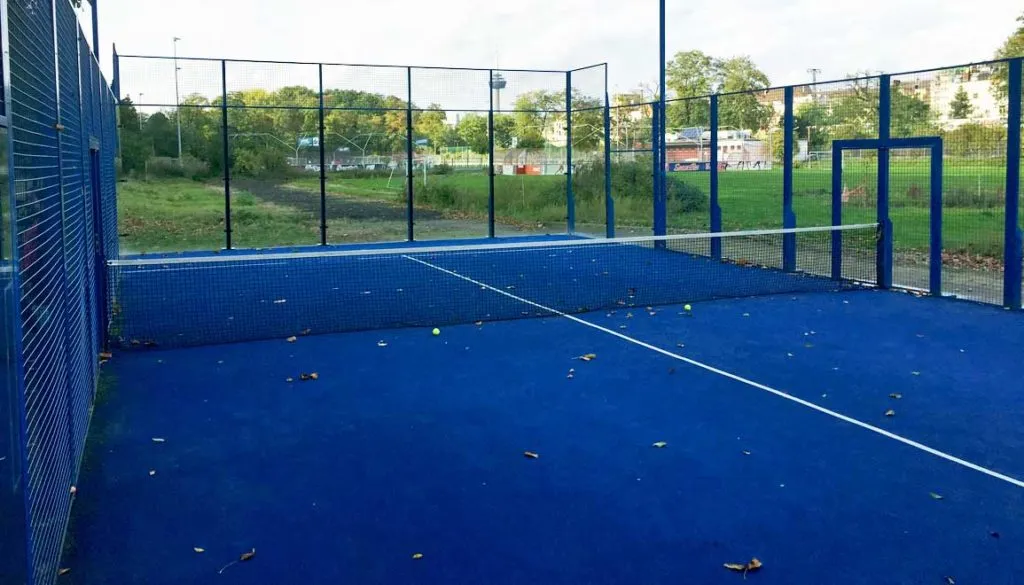
Indoor and outdoor padel courts look very similar on the surface (no pun intended). However, as you begin to dissect the finer details, you’ll find that there are some very important design considerations to keep in mind.
The first is the weather in your area. If you live (and play) in a climate that’s prone to extreme heat, cold, or moisture, this will greatly affect the type of materials you choose for your court. Remember, an outdoor court will be exposed to the elements year-round, so choosing a durable material is necessary.
Second, if you’re building a court inside of an existing facility, you’ll need to ensure your roof is at least 7 meters above the surface. Padel is a fast, intense sport; having enough vertical space is key to a good game.
You’ll need to consider how to light your padel tennis court in both instances. For outdoor courts, choose a lighting system that can withstand rain, wind, and other elements. You’ll need to select a bright enough system for play without causing eyestrain or fatigue for indoor courts.
Consider LED lighting for your court for facilities looking for an efficient solution. While the initial investment may be more than traditional metal halide lighting, the long-term cost savings are significant.
Common Mistakes to Avoid When Designing a Padel Court
Although working with a professional padel court installer can help you avoid mistakes, you should know some common pitfalls.
- Not considering the total cost in the early planning stages – nothing halts construction quicker than a lack of funds. Ensure you are prepared with thoughtful planning.
- Ignoring the standard dimensions – your athletes need plenty of room to move. Ensuring your court meets IPF standards is critical.
- Choosing incorrect materials – avoid materials that put your players at risk of injury.
- Neglecting the importance of lighting – being able to see the ball as it zips around the court keeps the action moving and everyone safe
- Inadequate court orientation – work with a professional that understands the logistics of court design. No one wants to play on a poorly designed padel court.
Tips for Keeping Padel Court Construction Costs Down
As you can see, the final price for your padel court can get out of hand quickly – especially if you’re planning the construction on your own.
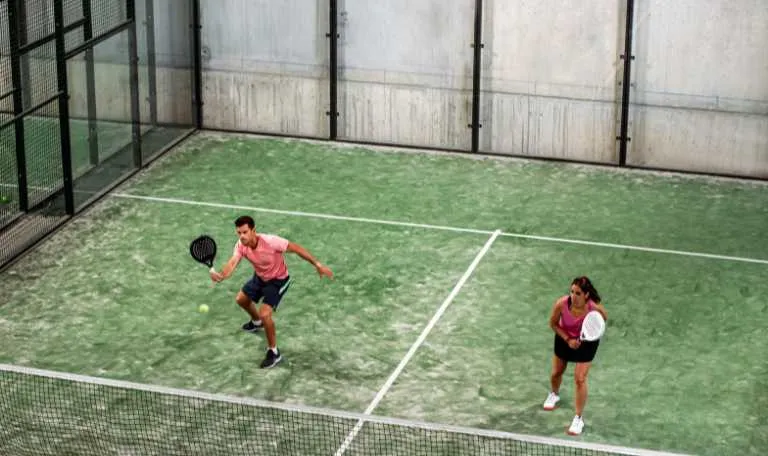
The best way to keep your costs down is to partner with a local company with experience in padel court construction. They’ll be familiar with local building codes and standards and can suggest materials and processes that will save you money without sacrificing quality.
Be careful to avoid adding unnecessary extras to your court. If it isn’t critical to the game’s enjoyment, it’s best to skip it.
Conclusion
Building a padel court is an exciting way to provide your athletes a unique and enjoyable experience. With the right planning, equipment, and partner, you can have a court that’s safe, fun, and built to last.
Want to get a head start on planning? Use our online cost calculator to get a free estimate and set yourself up for success. We’ll put you in touch with local experts to get you exactly what you need.
Meet the SVC Experts
Edited by: Antti Rydman, Managing Editor
Antti Rydman is a Co-Founder and the Managing Editor of Sports Venue Calculator. A member of the founding team, Antti has led editorial operations since 2021, shaping the platform’s content strategy and overseeing its growth as a trusted resource for sports facility planning and construction.
Read more about Antti.
Verified by: Karianne Jaeger, Construction Project Manager
Karianne Jaeger is a Project Manager with 16 years in commercial construction, specializing in sports facilities. At Beaver Construction Consulting Inc., she partners with architects, engineers, and city planners to ensure smooth permitting, compliance, and project delivery.
Read more about Karianne.